
Solutions
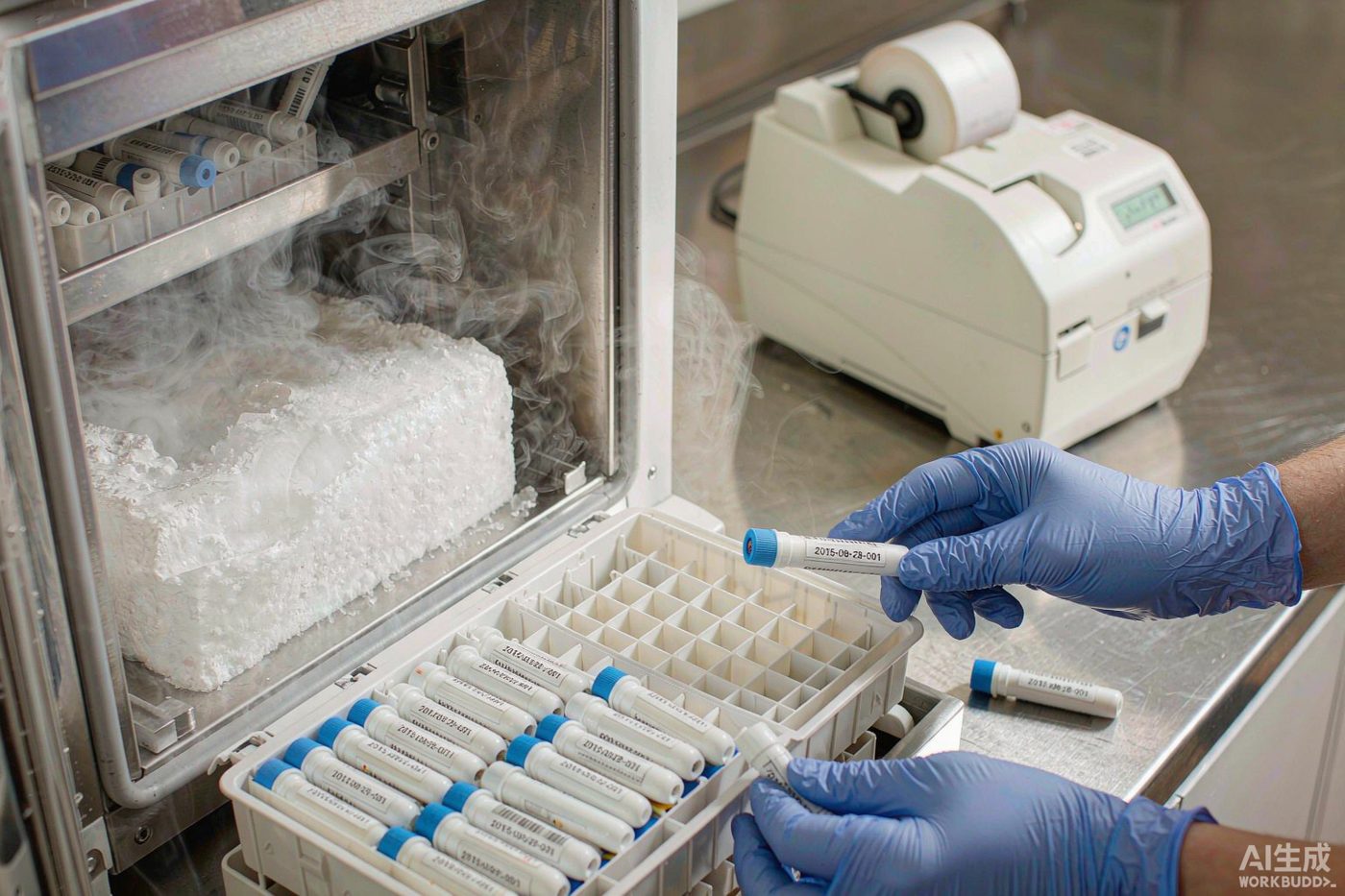
For labeling viral vectors such as lentivirus and adeno-associated virus, the first criterion is not whether the label adheres to the cryovial, but whether it can fully preserve the three fields—"titer, single-use volume, freeze–thaw count"—across -80 °C storage, dry ice transport, and LN₂ transfer. Industry operating manuals state that viral titer drops by approximately 10% per freeze–thaw cycle, and that vectors stored at -80 °C for more than 6 months should have their titer re-measured before use; therefore, viral vectors must be aliquoted into 10 to 50 µL single-use portions, one vial per use. This article provides labeling window calculations for 0.5, 1.0, and 2.0 mL cryovials, explains why 1D barcodes are the first to be eliminated at small tube diameters and why DataMatrix should be used instead, and, based on the official material guide table, defines material selection boundaries for four tiers—LN₂ -196 °C, freezer -80 °C, hot water 100 °C, and autoclaving 121 °C—along with a release status label layer, color-code management, and a three-step acceptance method, serving directly as a standard basis for viral vector aliquoting operations.
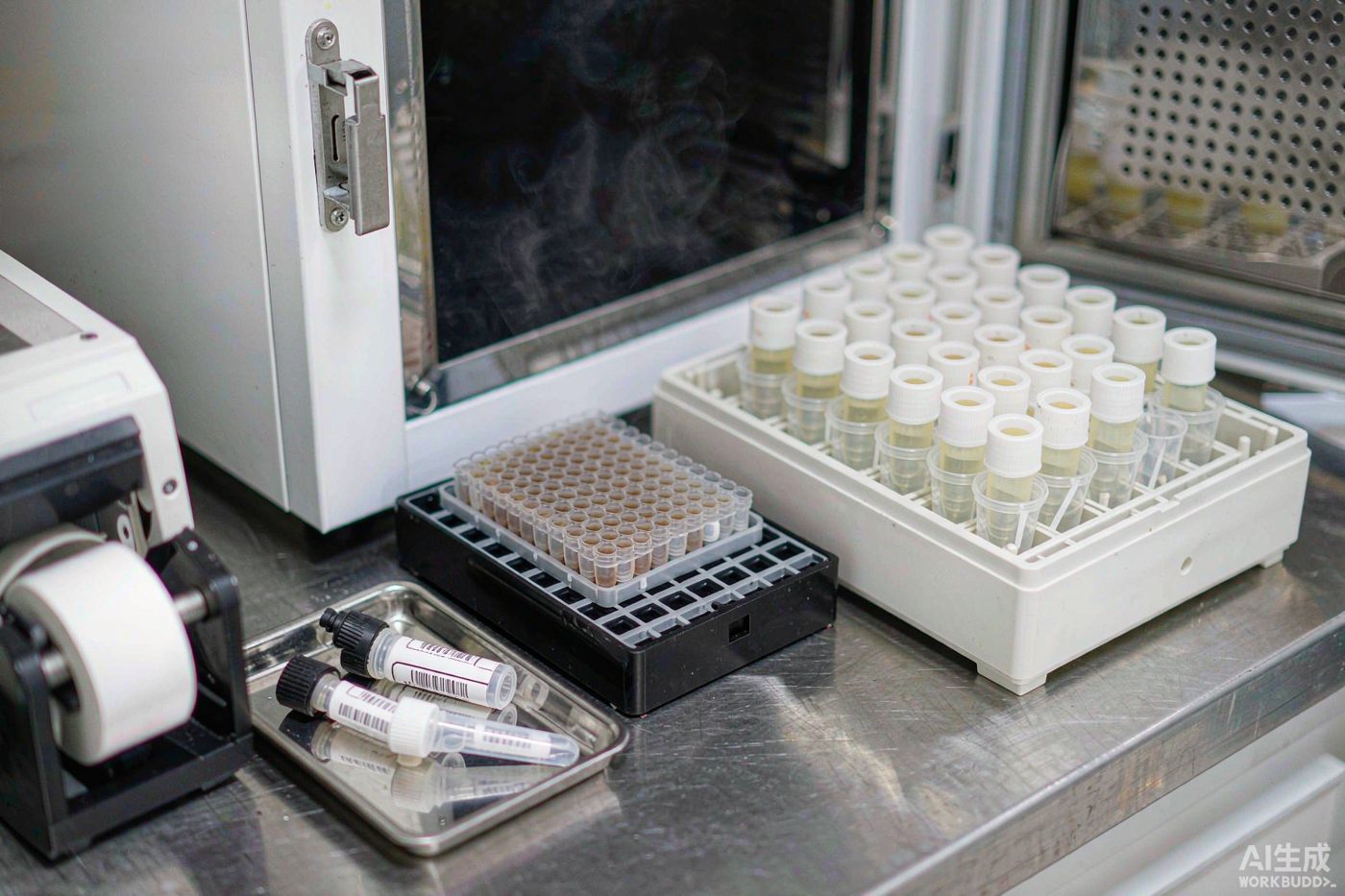
For label selection in the nucleic acid extraction workflow, the first criterion is not whether a label can adhere to the body of a spin column or the wall of a magnetic bead tube, but whether the ID can be passed from one carrier to the next with zero transcription across the four carrier segments of the same sample: lysis tube, binding column or magnetic bead tube, elution tube, and -80 °C product cryovial. This article presents an implementation method for four-segment numbering: the master ID is generated once, and each of the four carrier segments carries a scannable code zone; material criteria are given separately for the ambient-temperature operation segment and the -80 °C long-term storage segment—for the ambient-temperature operation segment, freezer-grade materials such as gloss white PET or matte white PP may be used, while for -80 °C or liquid nitrogen conditions, nylon cloth labels, cryogenic polyester labels, or pre-printed color-band freezer labels covering the corresponding temperature range must be selected instead. For magnetic bead-based 96-well deep-well plates, it is recommended to introduce low-temperature- and solvent-resistant UHF RFID microplate labels for whole-plate batch reading. The article includes a material and temperature range comparison table, labeling restricted zones for the four carrier segments, ribbon matching, and acceptance sampling methods, and can be used directly as a selection work instruction.
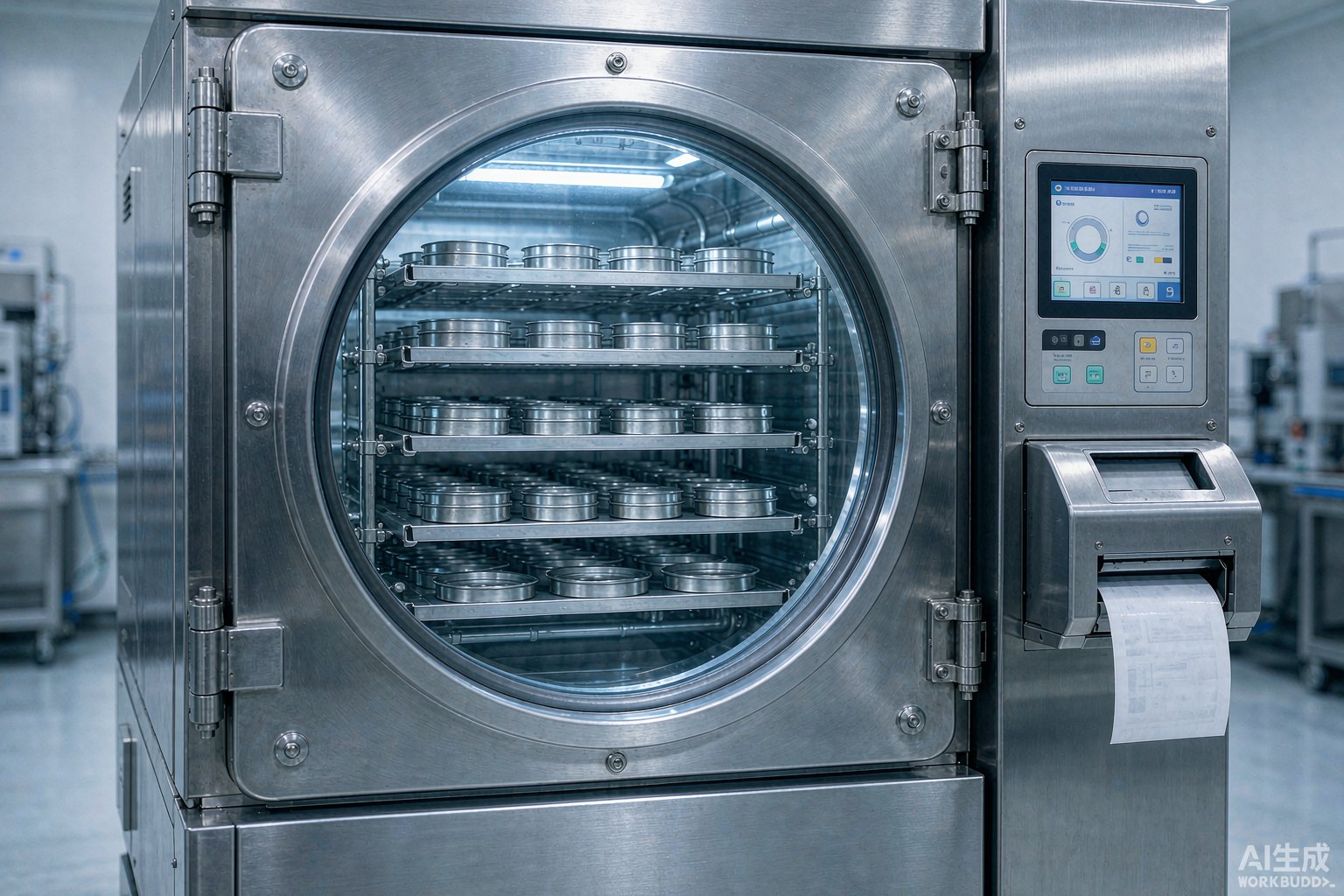
How to choose labels for a freeze dryer? Conclusion first: the primary criterion is not whether the label can withstand the -50 °C or -80 °C of the cold trap, but that three mutually incompatible operating condition zones run in parallel inside the same equipment—the cold trap chamber at a long-term -50 °C (deep-cryo models -80 °C) that must defrost and warm up every cycle; the shelves cycling between -45 °C and +40 °C, pushed to 121 °C by pure steam for 20-30 minutes during in-situ sterilization; and the ambient-temperature layer where the chamber exterior and HMI are located, subjected daily to disinfectant wiping. This article breaks the problem down into three layers—deep-cryo layer, heat-transfer layer, and ambient layer—and provides an operating condition matrix for six installation positions, geometric quantification of curved-surface arc height, wrap-around interface treatment for probe lead wires, and a dual-ledger scheme of permanent asset code plus removable status layer, with ISO 13485:2016, ISO 17025:2017, GB 19489-2008, ISO 20387:2018, GB/T 2792-2014, GB/T 4851-2014, ISO/IEC 15416 and ISO 7010 W009 as compliance anchors.
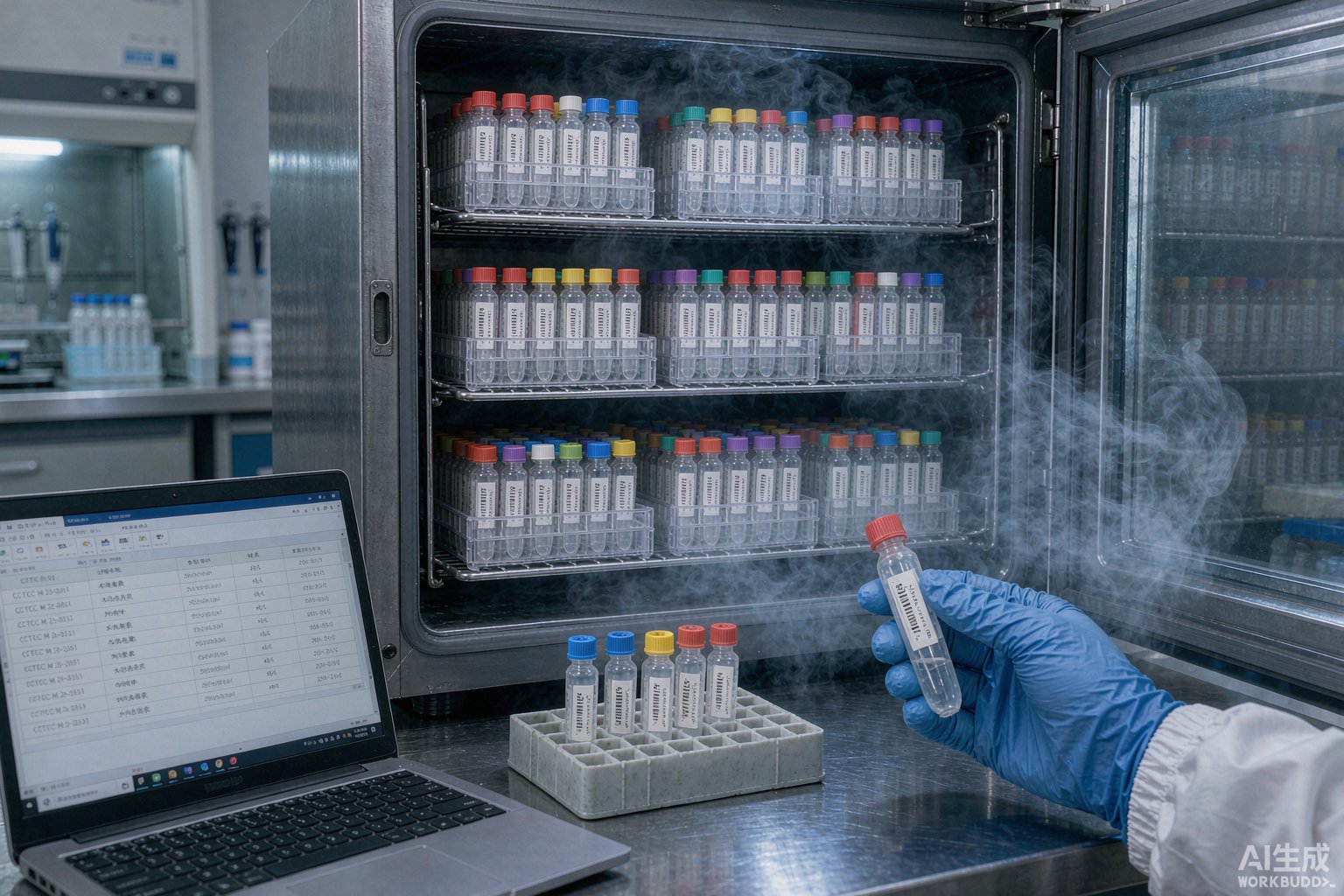
How to choose labels for a microbial culture collection? Conclusion first: whether a single tube can withstand -80 °C is only a necessary condition; what really determines success is whether the strain number can be transferred with zero loss across the four ledgers of accessioning, subculturing, distribution, and destruction when the same strain exists in four preservation formats in parallel—slant, glycerol cryovial, bead tube, and lyophilized ampoule. This article presents a three-segment numbering structure and minimum field set, a temperature matrix for the four preservation formats, quantified labeling geometry by cap top/tube body/neck, and a four-tier temperature material suitability guide with barcode tiered retest protocol, covering the traceability requirements of ISO 20387:2018, GB 19489-2008, ISO 17025:2017, and ISO 15189:2022.
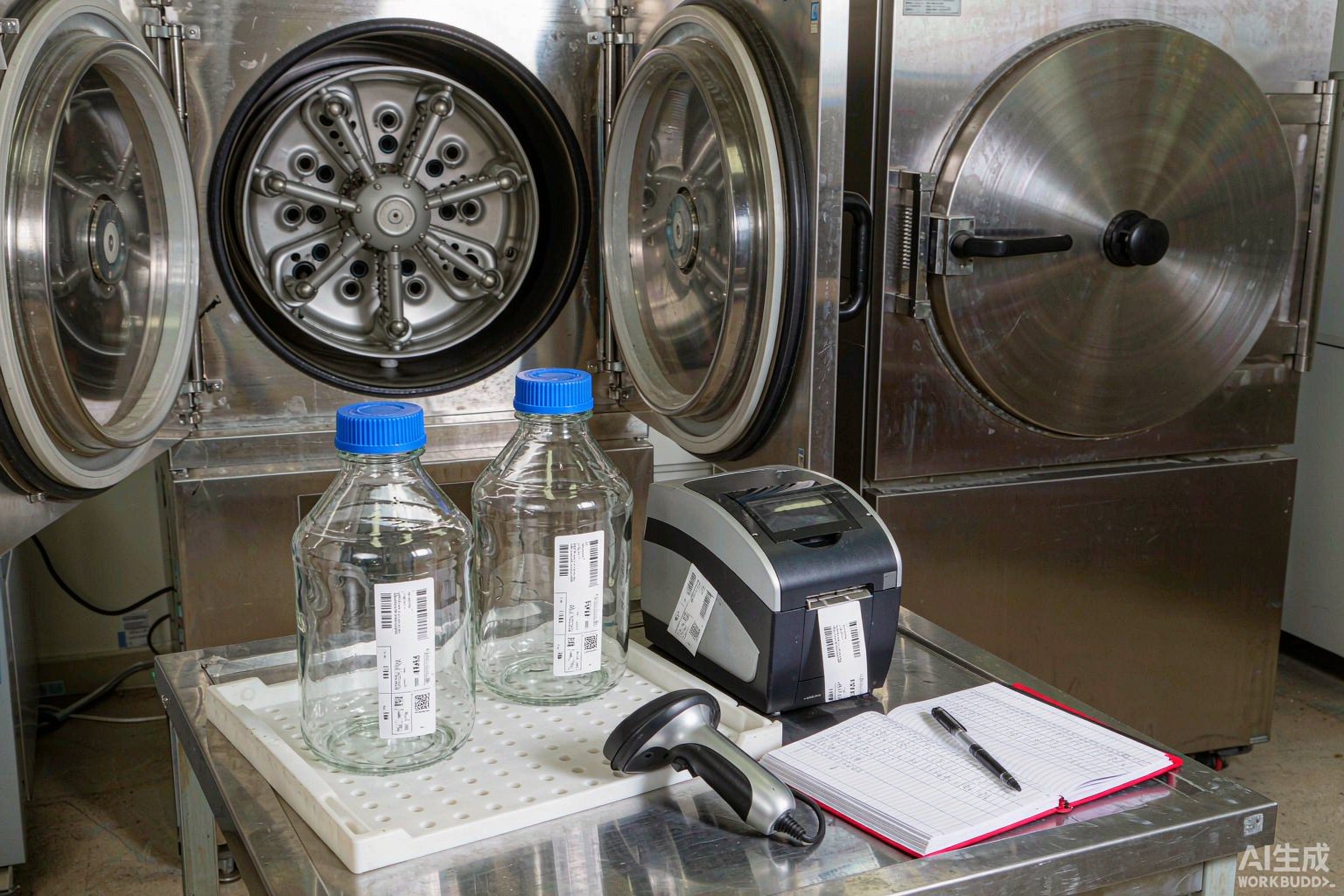
How to choose centrifuge bottle labels? Conclusion first: screen materials against the hard requirement of "autoclaving at 121 °C" first, then evaluate curved-surface conformity and alkaline wash resistance, and only then verify centrifugation load. Large-capacity centrifuge bottles are reusable laboratory assets, and a single label undergoes about 150 full cycles per year—including 4 °C centrifuge chamber condensation, pH 10–11 alkaline washing, 121 °C moist heat sterilization, and 60–80 °C drying, for a cumulative annual moist heat exposure of about 50 hours. This article presents a breakdown of cyclic stresses, chord-height conformity calculations, a quantification of label mass effects on balancing, a three-zone field design, and a fourteen-step implementation procedure, and, with reference to the official material guide table, defines the applicable boundaries of three usable materials.
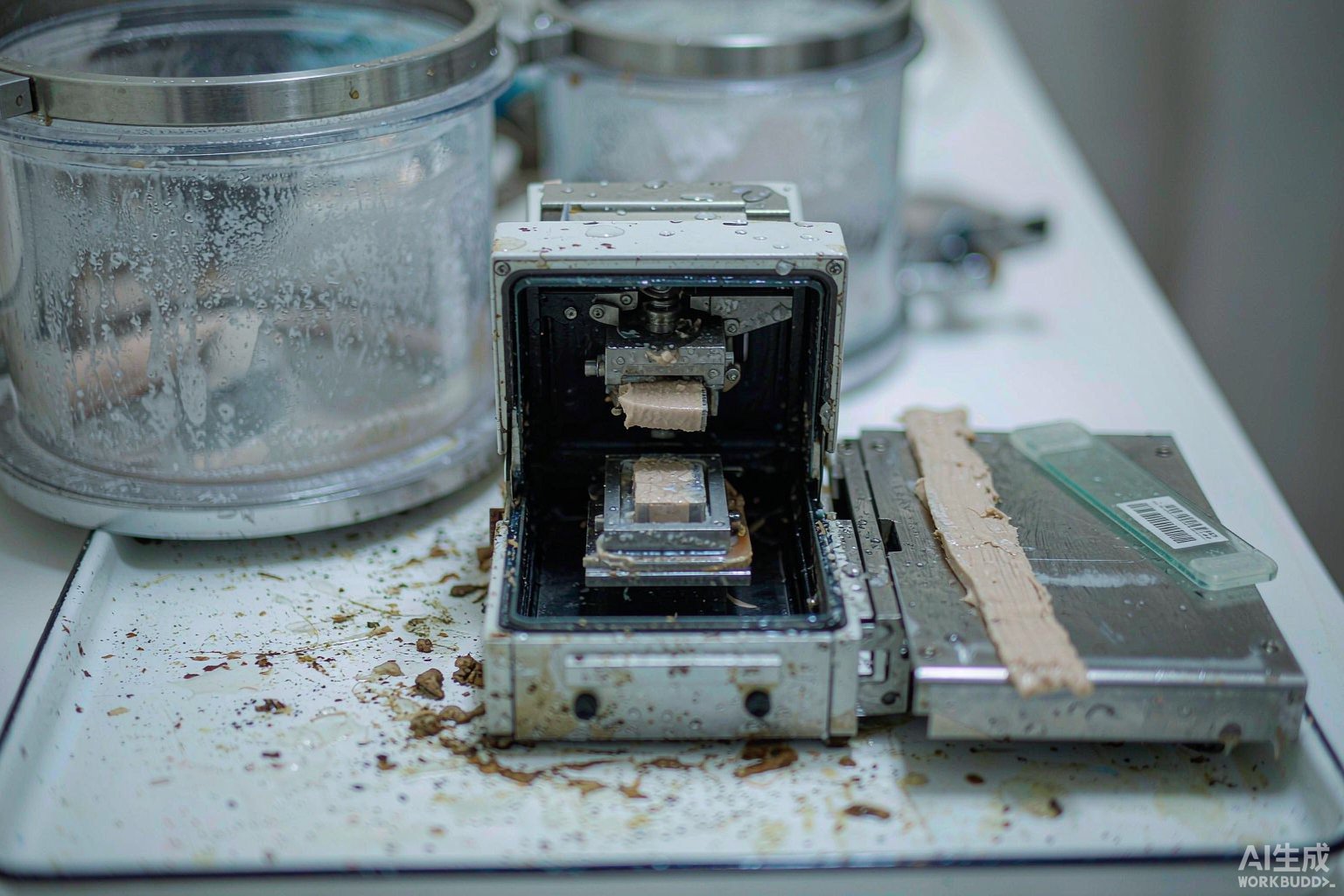
For cryosection slide label selection, the first criterion is not whether the label can withstand the -20 °C of the cryostat chamber, but whether it can first establish adhesion at room temperature, then survive the four-point temperature chain of "isopentane snap freezing at -80 °C to -100 °C → cryostat at -15 °C to -30 °C → room-temperature slide reading → archiving at -80 °C," and remain readable after the rapid HE protocol's successive short alcohol, acid, and alkali immersions. Applying these conditions to the BRD official material guide table: only nylon cloth T629 and chemical-resistant T424 are checked for the "microscope slide" application, and T424 is not checked for the "freezer -80 °C" temperature rating required for archiving; T629 is the only one that meets both requirements. T424's core capability is xylene resistance, aimed at paraffin workflows; cryosections do not pass through a xylene station, so this capability sits unused in the workflow. Two other hard constraints: intraoperative frozen sections report within 15–30 minutes, so labels can only be pre-printed and applied at room temperature; the frosted area of the slide is only 25.4 mm × 20 mm, leaving room for only 6–9 digits in a 1D barcode, so the full pathology number must use a Data Matrix.
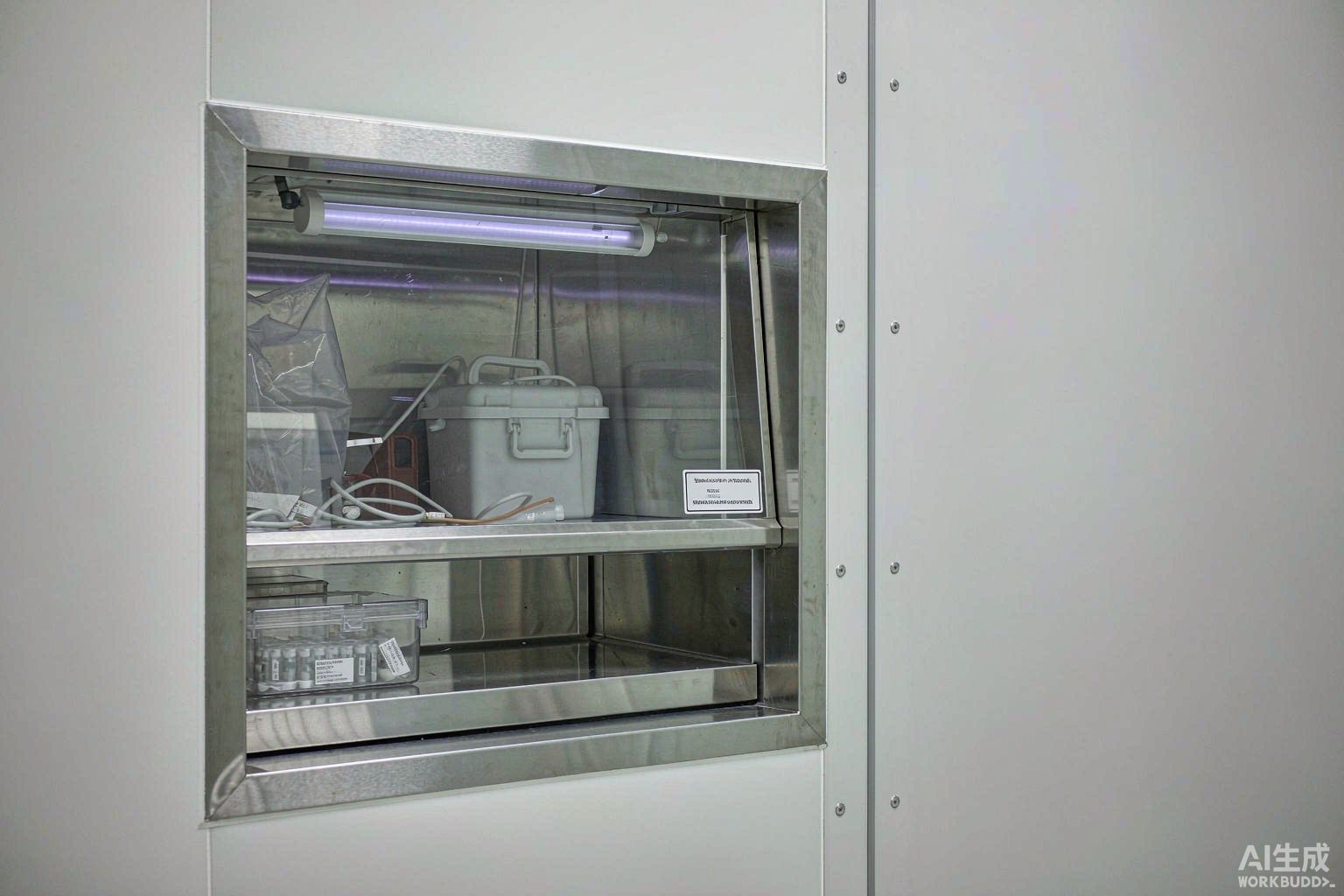
For label selection in pass boxes and buffer rooms, the primary criterion is not whether the adhesive can stick to the stainless-steel window wall, but the cumulative load of "disinfection wipe cycles × temperature-humidity alternation cycles" that the same label must withstand over its lifecycle: cryogenic specimens crossing the window 6 times per day, calculated at 250 working days per year, means approximately 1500 wipes, with high-frequency windows reaching up to 2500 wipes. The selection sequence should be reversed—first use the dew point to determine whether condensation will inevitably occur (a dew point of approximately 15.8 °C at 24 °C/60%RH means condensation is inevitable upon entering the 2–8 °C cold chain), then split into three layers: "body layer / status layer / traceability layer." For the body layer, select nylon cloth or self-laminating material rated for -196 °C according to the temperature tier and implement the overlap requirements; for the status layer, select a removable material with no adhesive residue; for the traceability layer, standardize on QR code or Data Matrix and align with LIMS fields. Printing should always use thermal transfer + resin-based cryogenic ribbon, with factory output graded 2.5 (Grade B) or above per ISO/IEC 15416, and passing judgment only if re-inspection after 100 wipes remains ≥1.5 (Grade C).
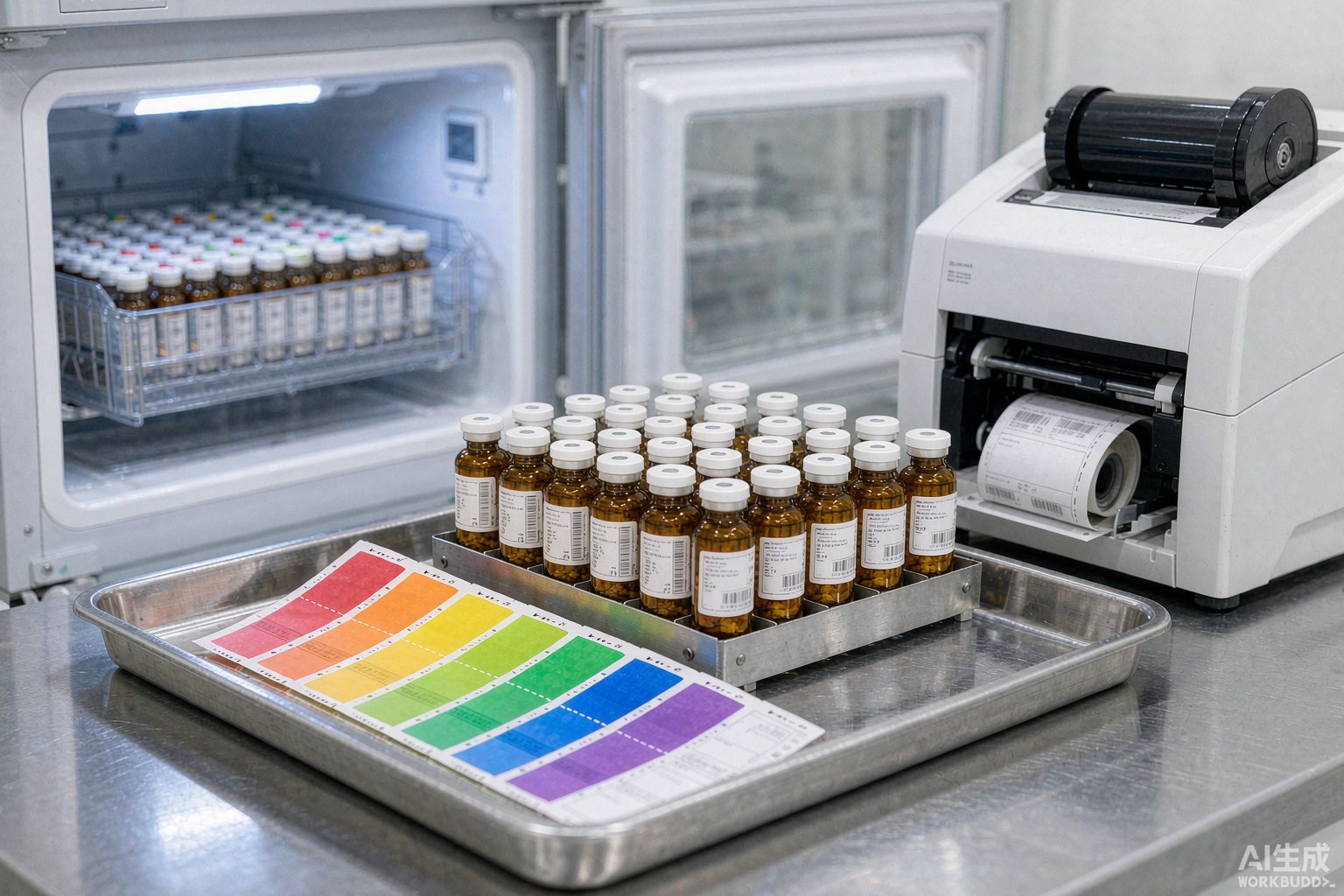
For reference material and quality control sample label selection, the first criterion is not whether the label can withstand -80 °C, but whether it can fully carry all fields required for metrological traceability on a curved surface only a dozen millimeters wide, and whether any link is lost across the four-level transfer from the original vial to the primary stock solution, secondary intermediate solution, and tertiary working solution. This article presents a conclusion-first decision sequence: first define the field set (certificate number, lot number, value and uncertainty reference, solvent, preparation date, expiry date, preparer), then verify the temperature endpoints (ambient, -20 °C, -80 °C, LN₂), and finally calculate the effective labeling arc length and DataMatrix symbol size based on the container outer diameter. The article includes a four-level transfer chain field matrix, six-color gradient color code definitions, a vial diameter arc length and 2D code size calculation table, a twelve-step implementation SOP, and six categories of failure troubleshooting, providing a reference for pharmaceutical testing, medical laboratories, and biobanks to establish a traceable standard identification chain. Among these, T629 covers four levels: LN₂ -196 °C, -80 °C, 100 °C hot water, and 121 °C autoclaving; T459 features a transparent viewing window for observing the liquid level; T429 requires at least 3 mm overlap at the ends when applied to the cryovial surface; T439 has six pre-printed colors on top for hierarchy identification; T509 vinyl wrap-around labels require overlap when used in LN₂ environments; and T419, as the grade for -40 °C and above, corresponds only to refrigerated and ambient stages.

Label selection for liquid nitrogen grinding applications: the primary criterion is not whether a label can withstand -196 °C, but whether a single label can simultaneously endure the triple overlay of rapid temperature change, mechanical vibration, and interfacial condensation. The temperature differential from removal of the grinding jar from liquid nitrogen to rewarming at room temperature can reach 221 °C; the tissue homogenizer oscillates continuously at tens of Hz and constantly shears the label edges; and the water film that forms on the metal jar surface at the moment of rewarming directly displaces the adhesive bonding interface. This article presents a conclusion-first decision sequence: first determine the temperature endpoints, then verify the geometric curvature and wrap-around arc length, and finally validate the mechanical load and barcode readability grade. Material tiers are given separately for three container formats—mortar and pestle, ball mill jar, and tissue homogenizer grinding tube: T629 nylon cloth label covers four tiers—liquid nitrogen (-196 °C), -80 °C, 100 °C hot water, and 121 °C autoclaving; T509 vinyl wrap-around label fits cylindrical curved surfaces and requires end-to-end overlap when used in liquid nitrogen environments; T429 is for frozen flat surfaces after aliquoting and requires at least 3 mm end-to-end overlap when applied to frozen tube surfaces; T419 gloss white PET is only suitable for refrigerated and ambient stages above -40 °C. The article includes a selection matrix, wrap-around arc length calculation, a ten-step implementation SOP, and six categories of failure troubleshooting, providing a reference for biobanks and laboratories to establish a traceable identification chain across the full grinding–cryopreservation workflow.
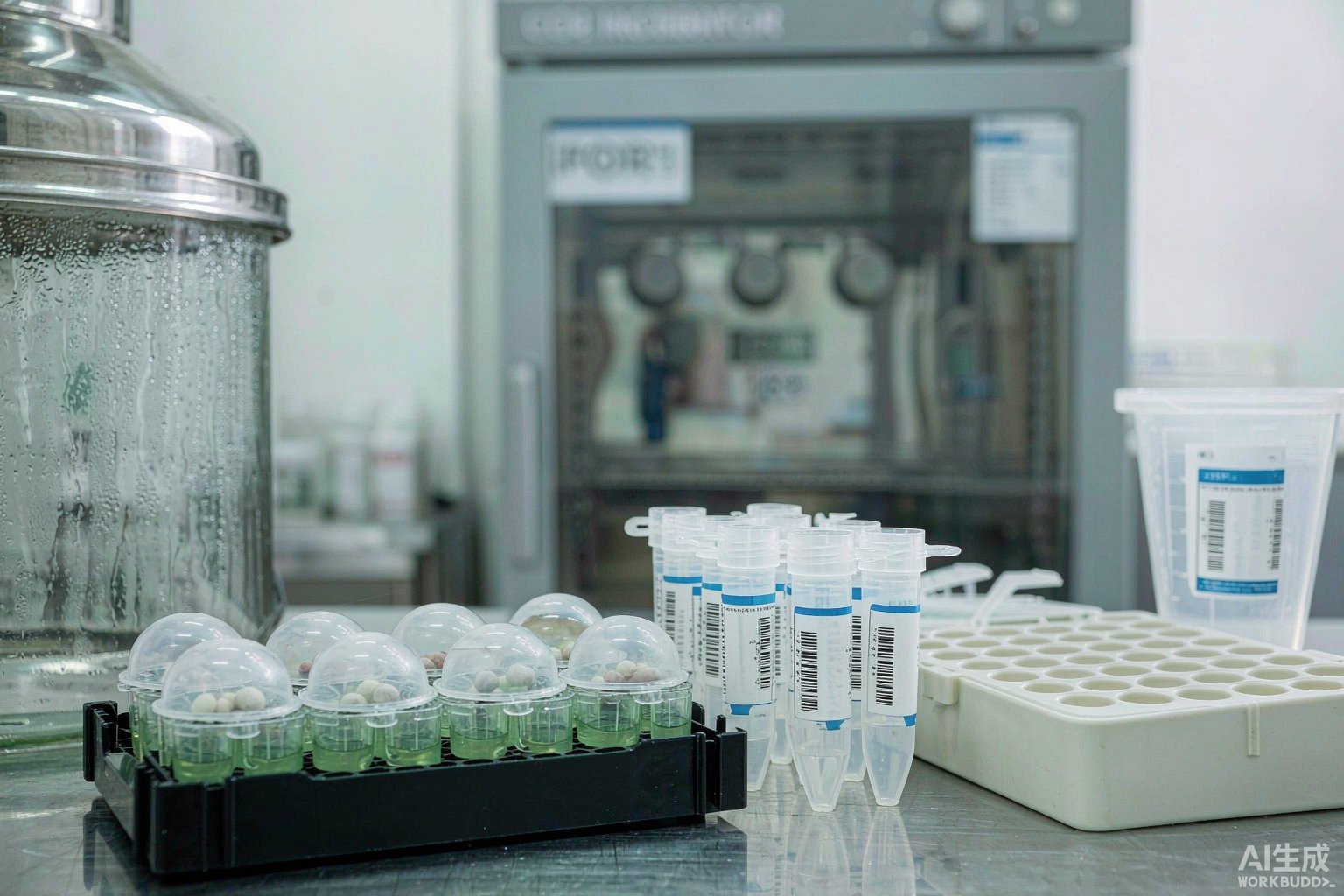
For label selection in organoid culture vessels, the first decision criterion is that the same sample line must pass continuously through four temperature interfaces—37 °C, 4 °C, -80 °C, and -196 °C—within a 7–14 day passaging cycle, while simultaneously withstanding the high-humidity condensation of Matrigel on-ice handling and the chemical attack of 10% DMSO freezing medium. Conclusion: for the long-term LN₂ storage layer, use T629 nylon cloth material with head-to-tail overlap; for the -80 °C controlled-rate freezing transition layer and downstream microscope slide applications, use T429; for multi-donor, multi-passage classification, use T439 six-color pre-printed; for the 2–8 °C refrigerated and ambient culture vessel layer, use T419; the top surface of well plates must not cover the wells—labels may only be placed in the clear zone at the plate frame edge as defined by ANSI/SLAS 1-2004. This article presents the four-temperature-interface matrix, well plate labeling geometry verification, cryovial chord-height rebound calculation, color-code dimension breakdown, and a twelve-step implementation SOP.
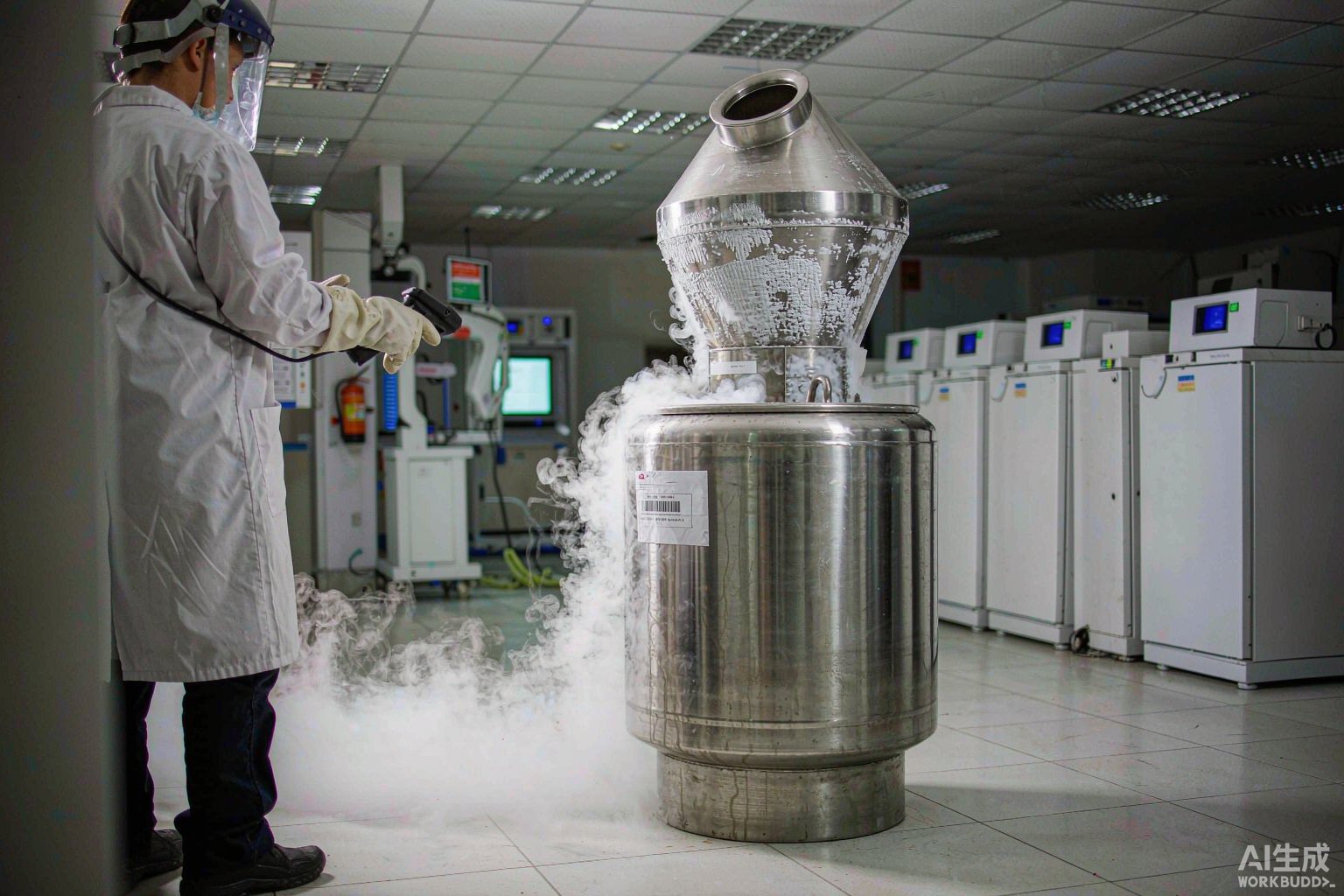
For LN₂ dewar label selection, the first determining factor is not -196 °C, but the temperature gradient across a single label and how many times it is subjected to repeated refilling and retrieval/placement actions. The conventional approach in biobanks of "selecting material by the lowest temperature" becomes inaccurate when applied to LN₂ dewars: the outer shell of a vacuum-insulated vessel is a room-temperature dry surface, and the true low temperature exists only inside the neck tube and on the cane that is lifted out—a single cane label must span a temperature differential of approximately 200 °C. This article breaks the LN₂ dewar into three identification layers—the vessel outer shell, the neck tube and neck plug, and the cane and basket—and provides layer-by-layer selection guidance, including chord-height rebound calculations (for φ300/φ500/φ660/φ800 vessels with 80 mm wide labels applied, the chord heights are 5.43/3.22/2.43/2.00 mm respectively), three corrections from static evaporation rate to refill cycle (a 50 L dewar corrected from a nominal 167 days to an actual 37–74 days, a difference of 2.3–4.5×), three labeling exclusion zones covering the neck plug pressure-relief channel and frost surfaces, cane wrap-around overlap and DataMatrix size verification, as well as the official four-tier temperature material matrix and an eight-step application SOP.
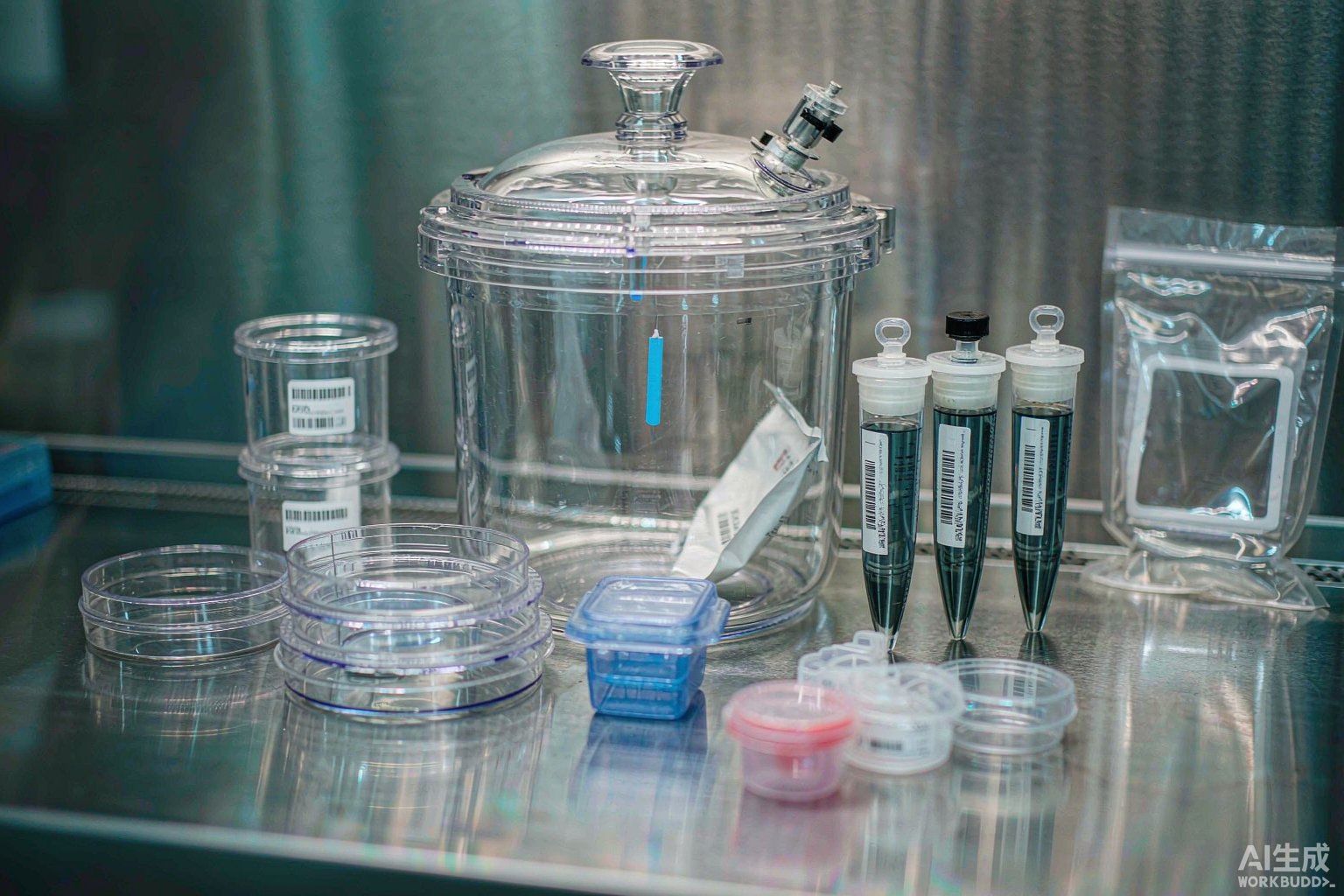
For labeling anaerobic, microaerophilic, and tri-gas culture vessels, the first criterion is not "will it stick" but "will it interfere with establishing and reading the anaerobic state." The conclusion is that three vessel types require three different approaches: inside anaerobic jars, use nylon cloth labels rated from -196 °C to +121 °C together with an external redox indicator strip; for anaerobic pouches, use self-laminating labels with a clear window applied to the inside of the heat-seal edge and kept clear of the observation window; for high-frequency turnover vessels inside anaerobic workstations, use removable vinyl cloth labels. Any label that must follow strains into a -80 °C freezer or -196 °C LN₂ archive must be switched to a -196 °C-rated wrap-around label with at least 3 mm overlap at the ends. This article presents three operating criteria: the 40–45 °C exothermic peak of gas-generating sachets, resazurin indicator interference and the 10 mm clearance of the observation window, and condensate interface displacement at 95–100% RH. It also provides a five-segment coding field set, DataMatrix and Code 128 size calculations, a twelve-step labeling SOP, and six failure-troubleshooting paths, while aligning with the traceability requirements of ISO 15189:2022, ISO 20387:2018, and GB 19489-2008.