
Solutions
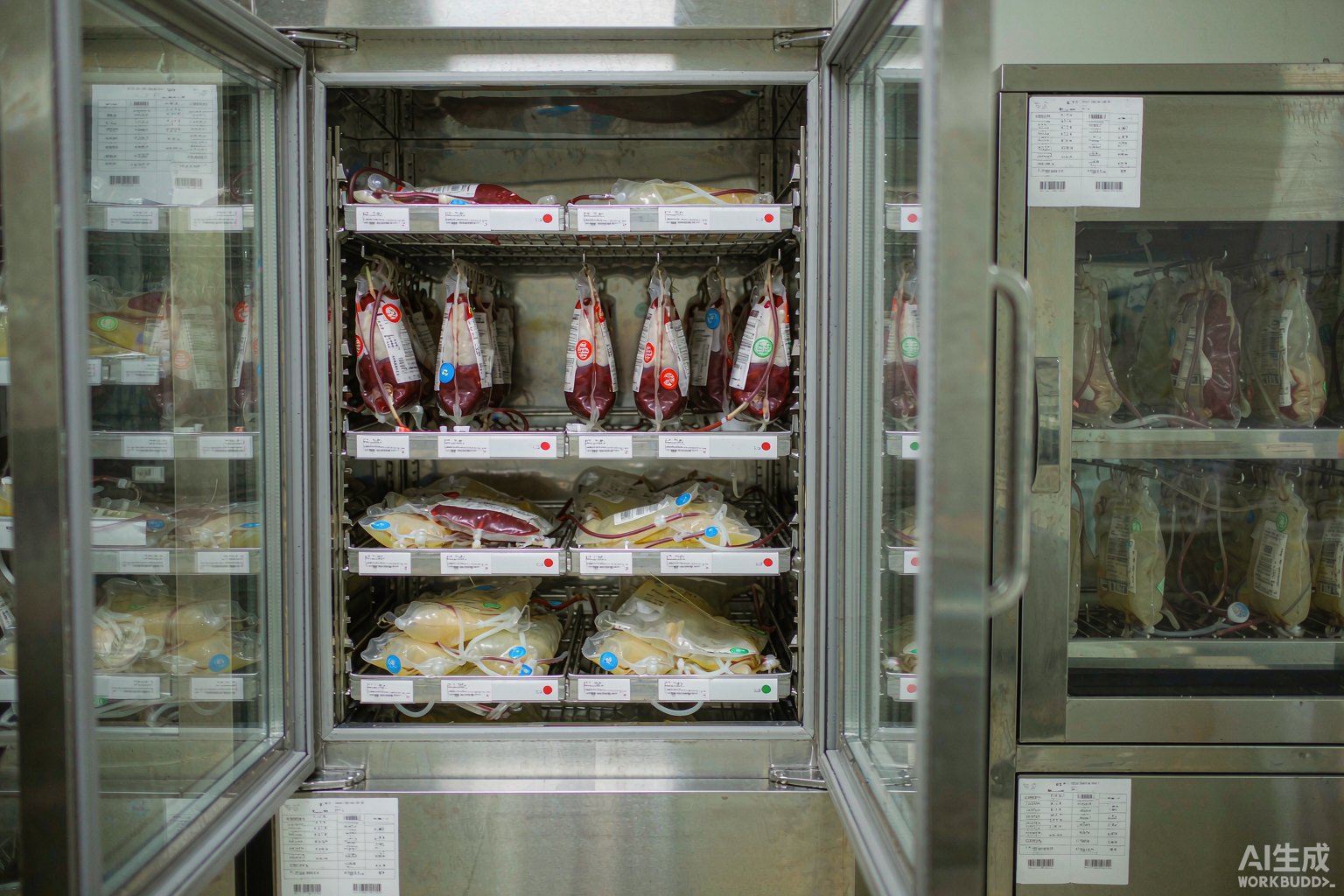
The selection sequence for blood bank labels is the opposite of that for biobanks: the first constraint is not the minimum temperature, but the combination of component storage temperature zone, storage period, and number of temperature transitions. Under current standards, whole blood and red blood cells are stored at 2 °C to 6 °C (stated in the standard text as 4 ± 2 °C) for 21 to 35 days; platelets are stored at 20 °C to 24 °C (stated in the standard text as 22 ± 2 °C) with continuous gentle agitation for 24 hours or 5 days; fresh frozen plasma and ordinary frozen plasma are stored below -20 °C for 1 year and 4 years respectively; cryoprecipitate for 1 year; and frozen red blood cells containing 40% glycerol below -65 °C and those containing 20% glycerol below -120 °C can be stored for 10 years. Accordingly, materials are selected in three tiers: for the ambient and refrigerated tiers, use the ambient-temperature-suitable materials from the official guide table; for the -20 °C tier, since it is above -40 °C, materials rated for -40 °C and above are sufficient; only frozen red blood cells at -65 °C and -120 °C require liquid nitrogen-tier materials. The second constraint is the blood bag substrate: PVC blood bags contain plasticizers such as DEHP, so the self-adhesive layer must use an adhesive system resistant to plasticizer migration. The third is the compliance boundary—the primary manufacturer label on the blood bag and the ISBT 128 component label applied by the blood center are the statutory layer and must not be covered; the self-adhesive dynamic layer provided by BradyLAB (博锐迪) covers only four functions: refrigerator zone, blood status, thawing time limit, and empty blood bag recycling. Finally, symbology: when the usable width on the bag body is less than 40 mm, Data Matrix is preferred; Code 128 can be used on outer packaging and shelves; printing always uses thermal-transfer resin-based ribbon.
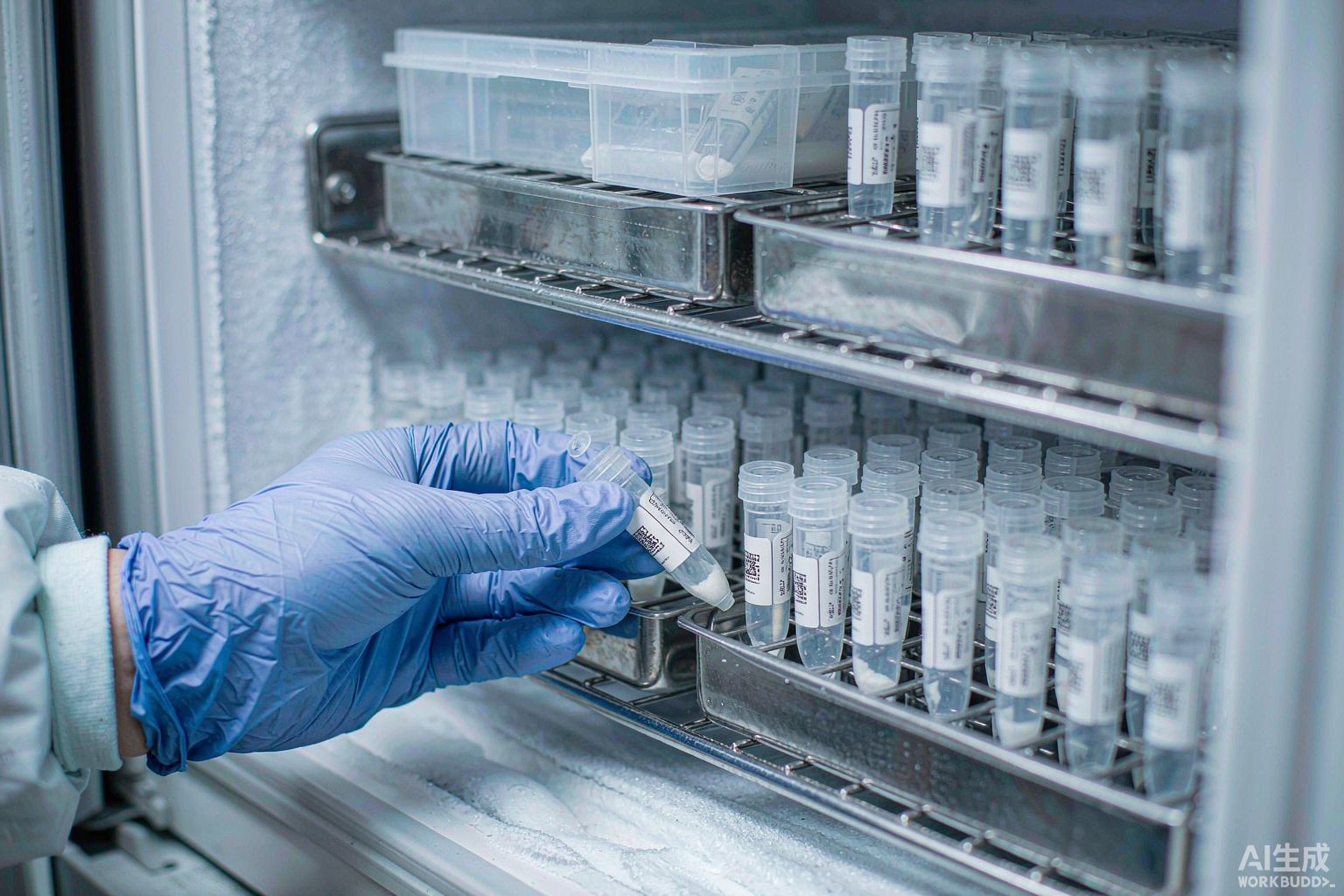
The selection sequence for culture collection tube labels is the reverse of that for routine biological specimens: the first constraint is not the upper temperature limit, but the time span determined by the preservation method. Typical figures are 1–6 months at 4 °C on slants, 6–12 months in semi-solid media, 1–2 years under liquid paraffin, about 1–2 years for glycerol stocks at -20 °C and about 10 years at -70 °C to -80 °C, 5–15 years for freeze-drying, and more than 15 years in liquid nitrogen at -196 °C; the label service life must match the culture preservation period. The second constraint is tube geometry: standard screw-cap cryovials from 1 mL to 5 mL share a uniform outer diameter of 12.5 mm and a circumference of 39.27 mm; calculated at a central angle of 90°, the maximum flat-affixing width is only 9.82 mm, while the minimum wrap length is the circumference plus at least 3 mm overlap, i.e., 42.27 mm. The third is chemical exposure: glycerol final concentration is commonly 15%–30%, and during rewarming the label must also withstand thermal shock and condensation. Turning to materials, in the official material guide table the T629 nylon cloth label is suitable across all four temperature tiers and can serve as the primary identity label; the T429 self-laminating label requires at least 3 mm overlap at both ends when applied to the curved surface of a freezer tube; the T439 provides six pre-printed color codes for batch differentiation; the T509 wrap-around vinyl label requires overlap when used in liquid nitrogen environments. Finally, encoding: the 9.82 mm width limit cannot accommodate Code 128 (which requires at least 77 modules), so switch to a 24×24 module DataMatrix; with X at 0.37 mm, the symbol side length is 9.62 mm; fields must include at minimum the strain number, passage number, preservation form, and location coordinates.
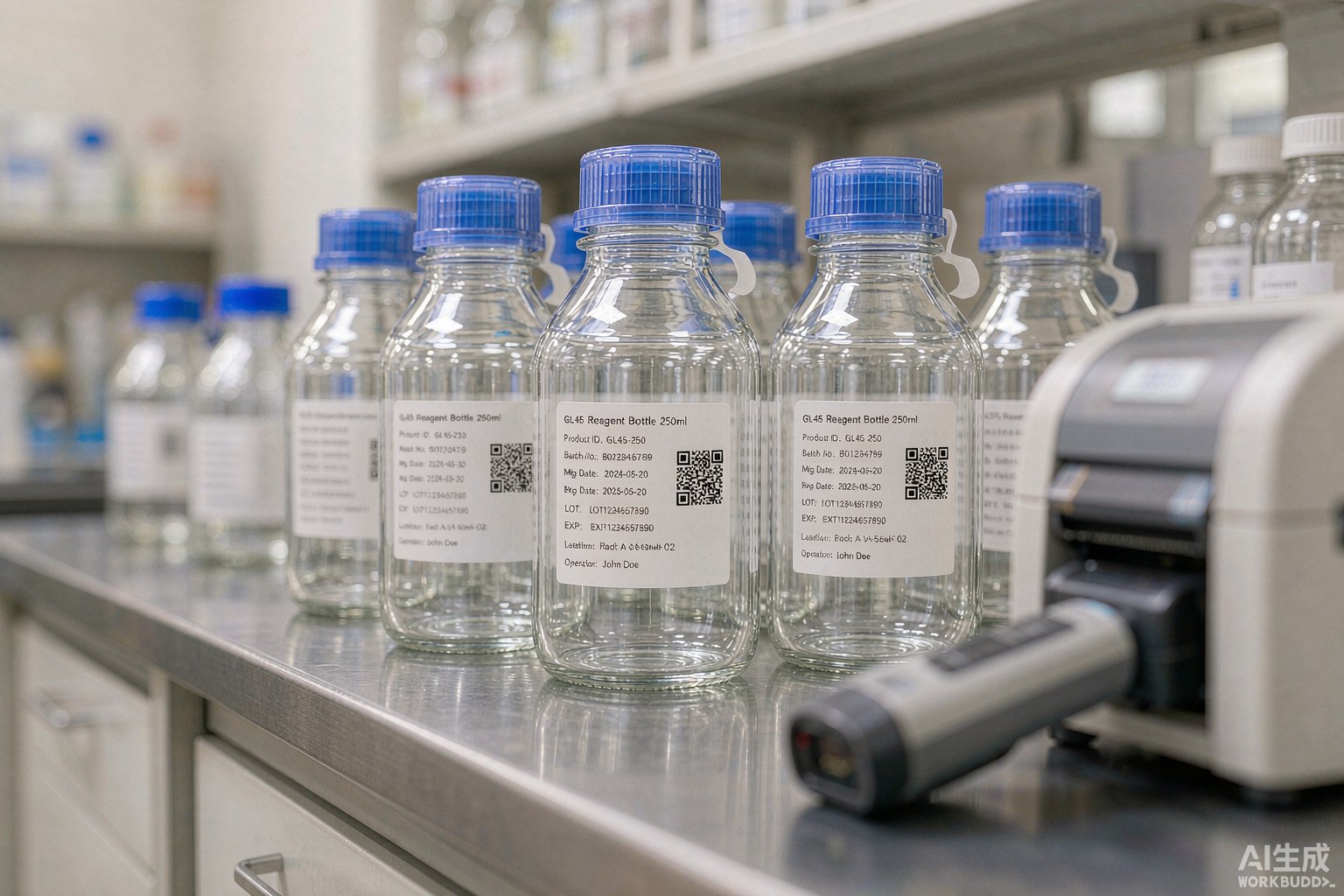
The selection sequence for reagent open-vial expiry labels is the reverse of that for biological specimen labels: first, determine the "post-opening validity period" value rules by reagent category — for standard volumetric solutions, per the opening clauses of GB/T 601-2016 *Chemical Reagents — Preparation of Standard Volumetric Solutions*, use after opening at 10–30 °C generally does not exceed 2 months (cap tightly immediately after pouring out); iodine and potassium hydroxide-ethanol do not exceed 1 month; sodium nitrite (0.1 mol/L) does not exceed 15 d; perchloric acid is used on the day of opening. For reference materials and reference standards, the certificate validity period refers to the unopened state; after opening, follow the "out only, no return" principle — once an ampoule is opened it must be used immediately and must not be re-sealed; working standards may be opened no more than 20 times and used for no more than 1 month. Next, select the material grade by storage temperature zone: reference standards, enzyme preparations and biological reagents stored in -80 °C freezers require a deeper grade — switch to T629 nylon cloth labels or T429 self-laminating labels; ambient cabinets, 2–8 °C refrigeration and -20 °C freezing fall within the "-40 °C and above" grade, where T329 matte white PP adhesive and T419 gloss white PET offer the best cost-performance for routine reagents. For near-expiry warning tags that are changed frequently and titration solutions relabeled monthly, T625 vinyl cloth labels are recommended — repositionable, removable, no adhesive residue. Finally, determine size, adhesive system and ribbon by bottle geometry and chemical exposure: GL45 round bottles have outer diameters of 56 mm for 100 mL, 70 mm for 250 mL, 86 mm for 500 mL and 101 mm for 1000 mL; the maximum flat-label widths calculated at a 90° central angle are 39.6, 49.5, 60.8 and 71.4 mm respectively, and the wrap length is the circumference plus a overlap of no less than 3 mm. One red line must not be crossed throughout: the bottle's original chemical safety label is a legally required layer, and the applied layer must not cover pictograms, signal words or emergency telephone numbers.
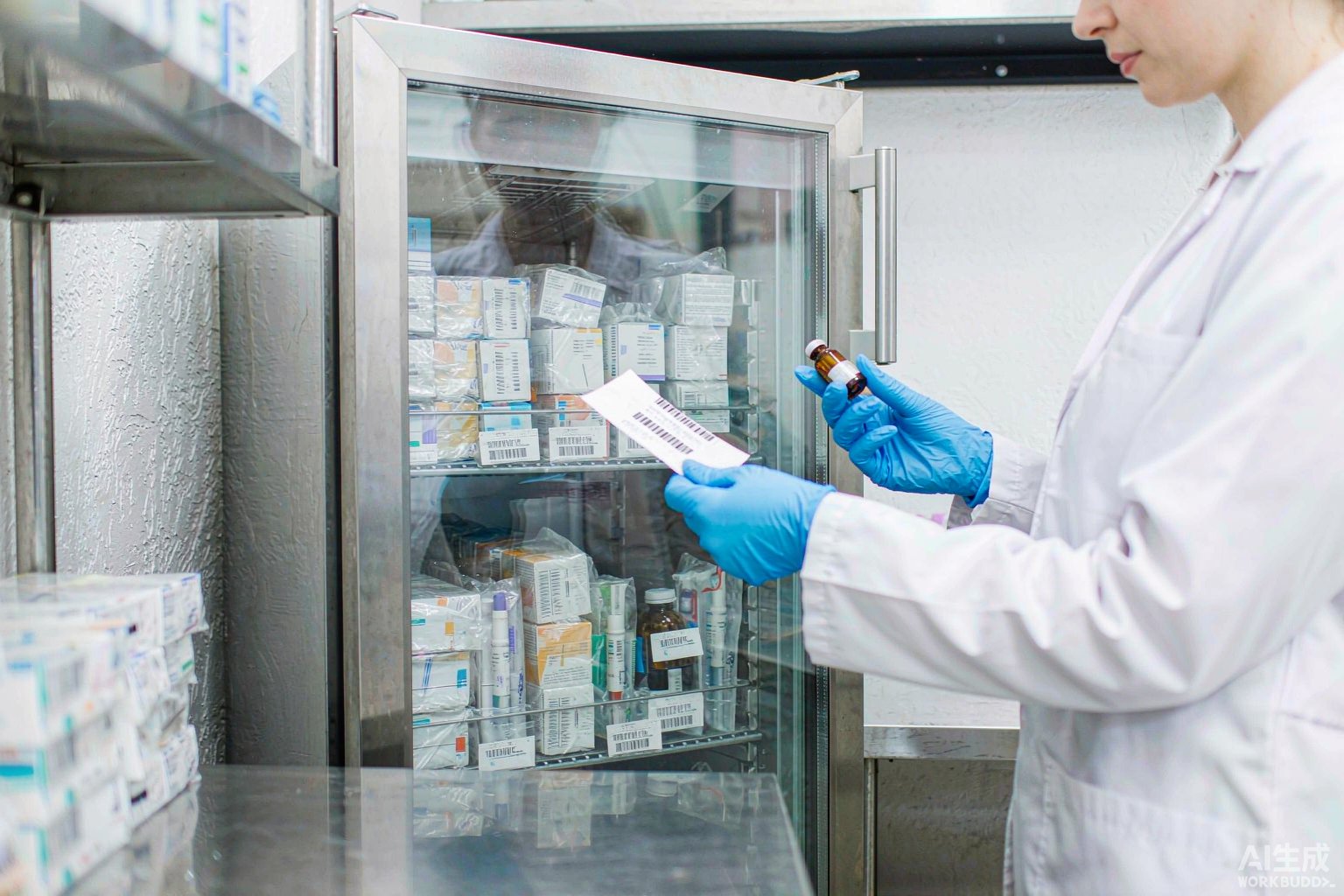
The selection sequence for hospital pharmacy medication labels is the reverse of that for laboratory specimen labels: first select the grade according to the storage temperature zone indicated on the drug packaging—the 2020 Pharmacopoeia general notices define room temperature as 10-30 °C, cool place as ≤20 °C, cool and dark place as protected from light and ≤20 °C, and cold place as 2-10 °C; the GSP on-site inspection guidelines require storage according to the packaging indications, and where no indication is given, according to the Pharmacopoeia. The four grades from room temperature to -20 °C all fall within the "-40 °C and above" range in the official material table; T419 gloss white PET, T329 matte white PP and T625 vinyl cloth labels are suitable, while cell therapy products and biological samples requiring deeper cold positions should use T629 nylon cloth labels. Second, determine the adhesive system and dimensions according to container surface energy and geometry: glass ampoules require wrap-around overlap of ≥3 mm; HDPE drug bottles and flexible infusion bags at approximately 29-31 mN/m require a high initial-tack adhesive system; drug cartons with porous rough surfaces use flat application. Third, determine the face stock and ribbon according to cleaning and disinfection exposure; scenarios involving 75% ethanol and chlorine-containing disinfectants require thermal transfer with laboratory-specific cryogenic ribbons. Fourth, determine the symbology according to traceability fields: drug cartons use Code 128 verified per ISO/IEC 15416, and thin-diameter ampoules use DataMatrix verified per ISO/IEC 15415. The statutory dedicated identifiers for narcotic and psychotropic drugs are printed by the marketing authorization holder and must not be covered by the pharmacy; the self-adhesive layer serves only four purposes: location numbering, dynamic updating of batch number and expiry date, identification of empty ampoule collection containers, and near-expiry warning tags.
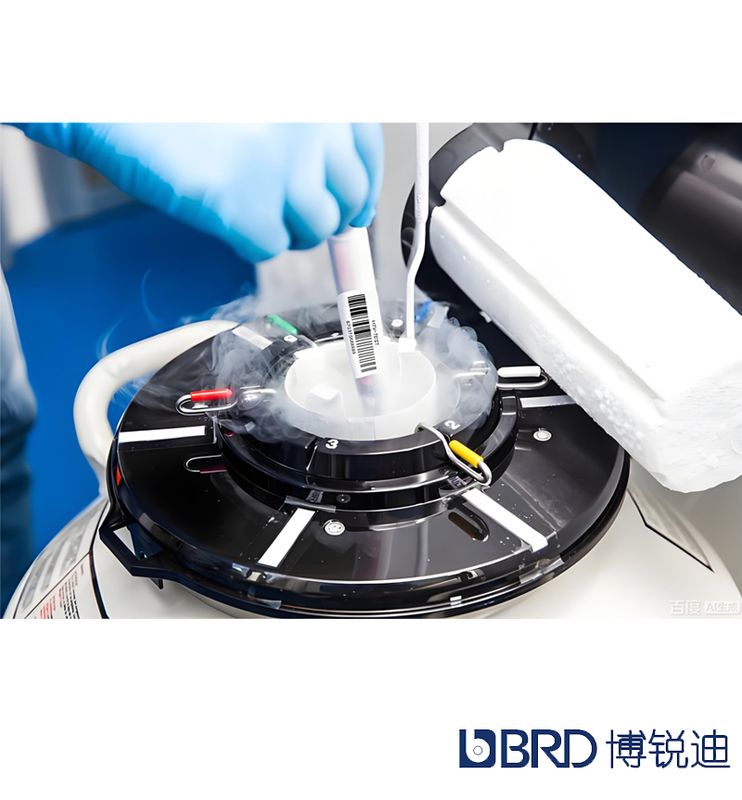
BradyLAB (bradylab) is an expert in laboratory cryogenic labels and biobank identification management. It does not provide cylinder body color markings or gas pipeline identification colors—these are implemented by filling units and pipeline engineering contractors in accordance with GB/T 7144-2016 and GB 7231-2003 respectively, and users must not cover or alter them. What laboratories can apply themselves is the dynamic layer: inspection period, asset number, full/in-use/empty status, and BradyLAB's core -196 °C liquid nitrogen / -80 °C cryogenic specimen labeling. This article clarifies the boundaries and provides actionable selection guidance.
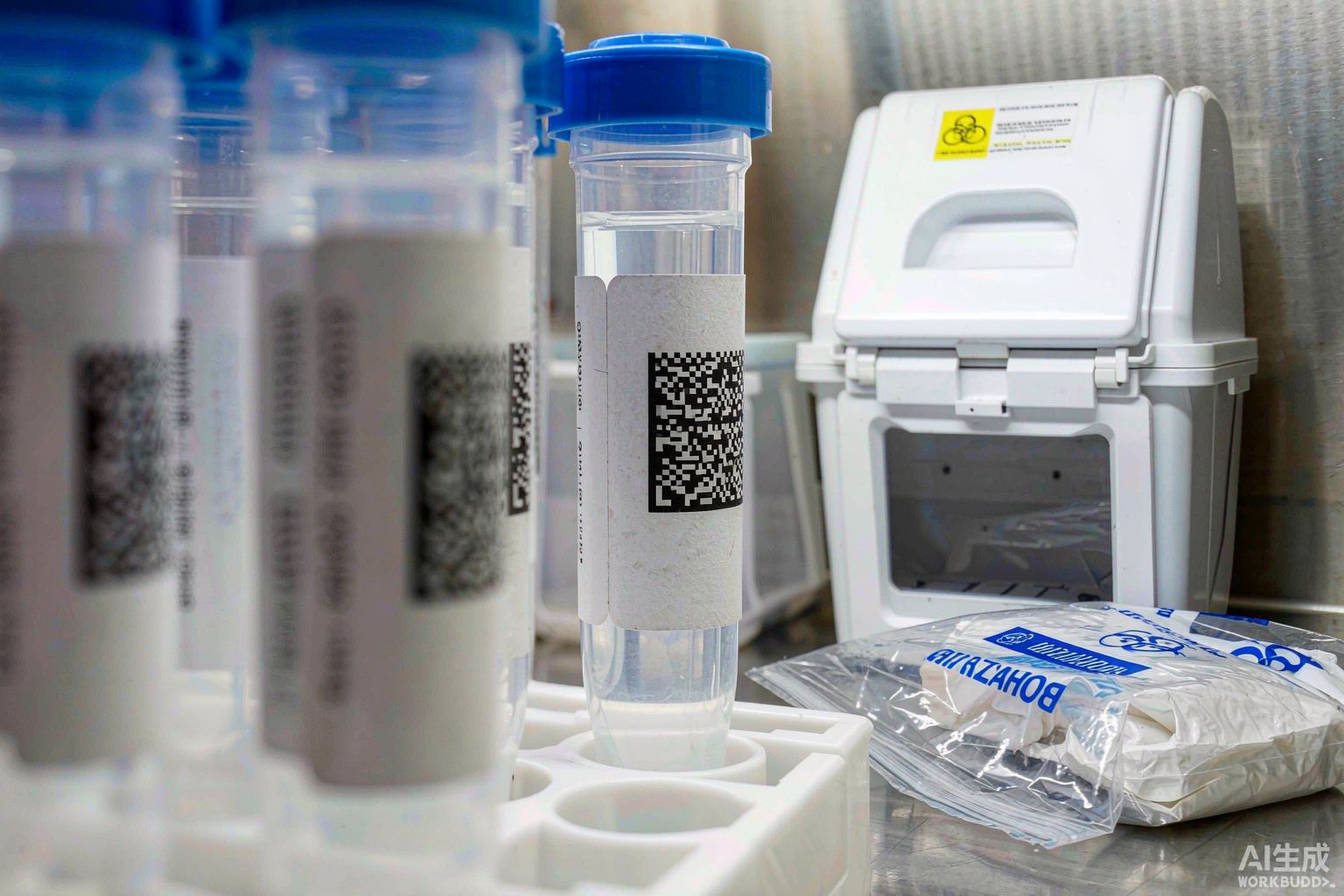
Conclusion: The primary constraint for virus sampling tube labels is not ultra-low temperature, but the curved-surface geometry imposed by the 16.20 mm tube diameter (circumference approx. 50.89 mm) and the continuous chemical exposure to the preservation solution inside the tube; temperature ranks only third. Step one, determine the format by tube diameter: when a barcode or serial number must be carried, choose a wrap-around format with a length of ≥ 53.89 mm based on "circumference + 3 mm overlap"; for short numbers only, a flat label with a width ≤ 12.7 mm may be used. Step two, determine the face stock and printing method by chemical exposure: ethanol spraying, condensation under refrigeration, and guanidine salt-containing preservation solutions act together, so a chemical-resistant face stock and a resin-based ribbon are mandatory. Step three, select the grade by the lowest temperature in the chain: up to 4 hours at 25 °C room temperature, within 24 hours at 4 °C refrigeration, and long-term storage at -70 °C or below (if -70 °C is unavailable, temporary storage at -20 °C). In addition, this article provides barcode length calculation, division of responsibilities across four labeling layers, a six-step operating procedure, and a quick reference for eight failure types. For more materials and specific applications, please contact the product manager for selection.
For water sampling bottle labels, the selection sequence is the reverse of that for biological sample labels: first determine the face stock based on the preservative, then determine the grade based on the lowest temperature across the entire process, and only lastly consider bottle diameter and barcode size. The reason is that water sampling bottles generally have a capacity of 250–1000 mL; rigid glass bottles have an outer diameter of about 80 mm and polyethylene bottles about 60 mm, with usable wrap-around arc lengths of approximately 251 mm and 188 mm respectively—labeling space is very ample, and barcode size is hardly a constraint.
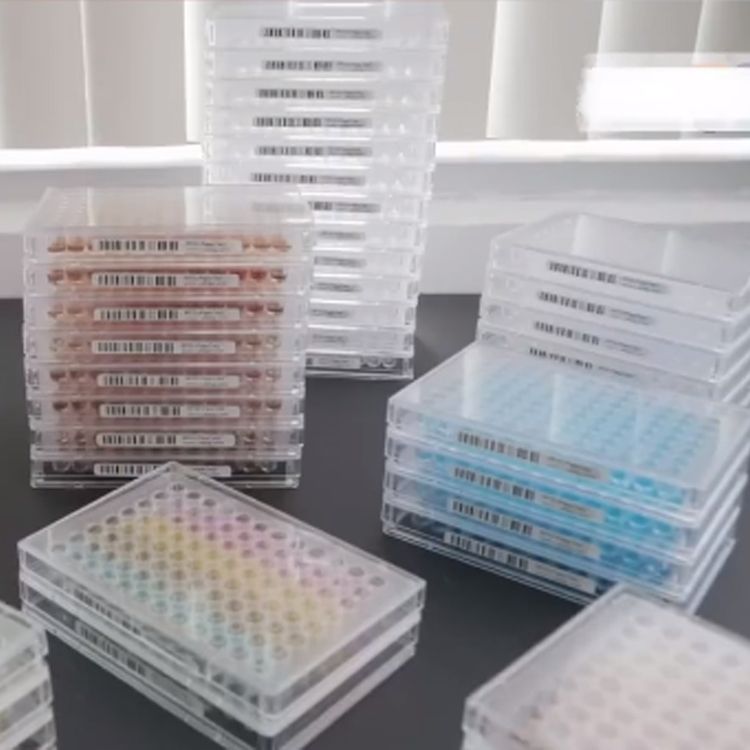
For label selection for flow cytometry sample tubes, the answer is to first determine size and thickness based on mechanical compatibility, then determine the face stock based on chemical exposure, and finally determine the model based on temperature span; the order of these three steps must not be reversed. The standard sample tube used in flow cytometry is a 5 mL round-bottom polystyrene tube, with standard specifications of 12 mm outer diameter and 75 mm tube length, commonly referred to in the industry as a 12 × 75 mm tube.

Bottom line first: in electrophoresis and transfer workflows, labels should not be applied to the gel itself or to the transfer membrane. Gels and PVDF/NC membranes are sequentially exposed to transfer buffer containing 20% methanol, TBST wash buffer containing 0.1% Tween-20, and loading buffer containing β-mercaptoethanol or DTT; the ink layer and adhesive layer of standard labels struggle to remain intact in these media.
Bottom line first: The core of laboratory equipment identification is not "sticking on an asset number label," but enabling reviewers, internal auditors, and equipment users to determine four things within 1 meter of standing in front of the equipment — without consulting the ledger: who this equipment belongs to (unique ID), whether it can currently be used (calibration status), the time boundaries of the last and next calibration, and any restrictions on use.
Bottom line up front: For label selection for clinical body fluid specimen containers—urine cups, stool containers, sputum containers, and cerebrospinal fluid and pleural/abdominal fluid tubes—the decision threshold is not "can it be printed clearly," but three things: First, whether the face stock and adhesive layer can bond to low-surface-energy polypropylene (PP) containers; Second, whether, after the container is taken out of 2–8 °C refrigeration, the interfacial condensation water film will lift the adhesive layer; Third, whether a single label can simultaneously carry three types of information: dual patient identity identifiers, specimen type color code, and machine-readable barcode.
Bottom line up front: the outer diameter of a 2 mL vial body is only about 11.6 mm, giving a labelable arc length of about 36 mm. At the same time, it operates under three overlapping conditions—organic solvent splatter + 4 °C autosampler tray condensation + autosampler barcode scanning—so the selection logic differs from that for cryovials: the face stock and ribbon must be determined by solvent type, the wrap-around or overlap method by vial circumference, and the symbology and X dimension by the barcode-readable area.