
Solutions
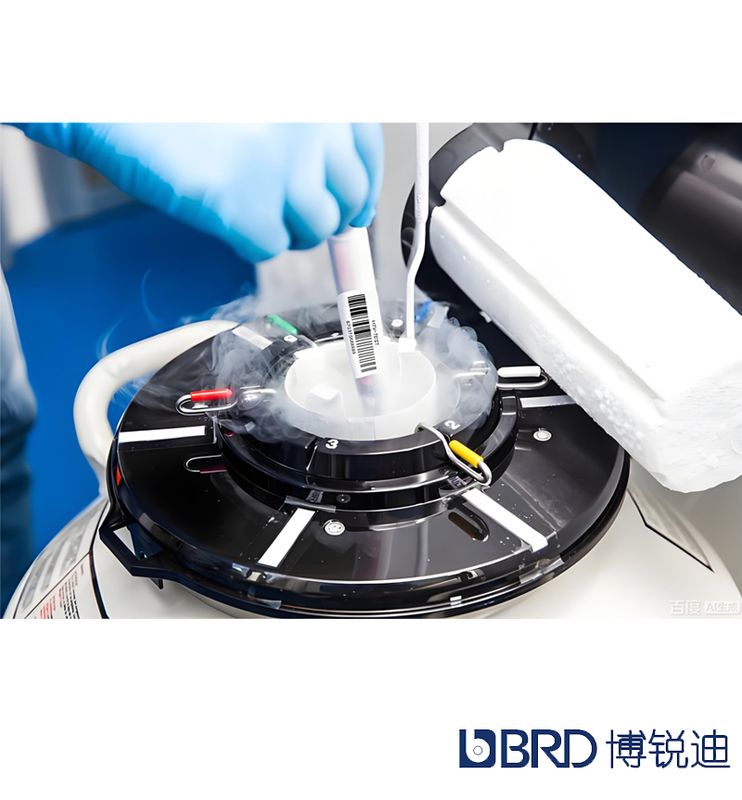
The print quality of laboratory cryogenic labels directly affects the reliability of sample traceability. In liquid nitrogen (-196 °C) and ultra-low temperature freezer (-80 °C) environments, different printing technologies show markedly different durability performance. Based on years of cryogenic label application experience and combined with industry test data, the BradyLAB BRD technical team conducted a comprehensive comparison of four mainstream printing technologies—thermal transfer, direct thermal, laser, and inkjet—to help laboratories choose the most suitable cryogenic label printing solution.
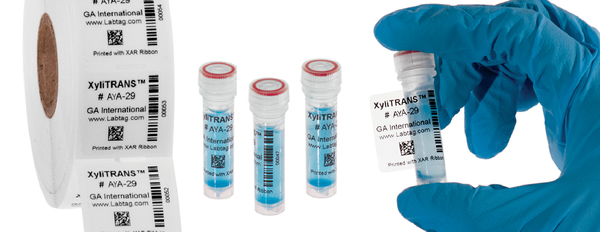
In the daily labeling work of biobanks, laboratory operators often focus on the label itself—whether the label face stock is low-temperature resistant and whether the adhesive can maintain tack at -196 °C. But one commonly underestimated key variable is: the ribbon (color band) used to print the labels. Even if the label material is correctly selected and the adhesive meets requirements, if the wrong ribbon type is chosen, the printed barcode will gradually blur, peel off, or even disappear completely after immersion in liquid nitrogen.

In the daily management of biobanks, one of the most common pain points is this: labels that were clearly applied properly come off, curl at the edges, or even go missing when retrieved from the LN₂ tank. Even more frustrating is that when detachment occurs, it is often accompanied by the loss of sample information, directly affecting experimental traceability and sample value. According to a 2024 report by the Wuhan Municipal People's Government, in a -196 °C liquid nitrogen environment, an ordinary label either loses adhesion and falls off, or cracks outright after being "frozen stiff," or its printing fades or even disappears.
Data source: BradyLAB BRD laboratory cryogenic labeling product specifications · The applicable temperature range is a typical laboratory test value; please verify according to the specific application scenario. Biobanks are cornerstone facilities for precision medicine, drug discovery, and regenerative medicine. According to industry statistics, the global biobank cryovial market has exceeded USD 860 million, with a compound annual growth rate of 7%–9%, and China's annual growth rate exceeds 12%.
 In the pathology laboratory workflow, a tissue specimen goes through multiple steps from grossing to diagnostic reporting, including fixation, dehydration, clearing, wax infiltration, embedding, sectioning, and staining.
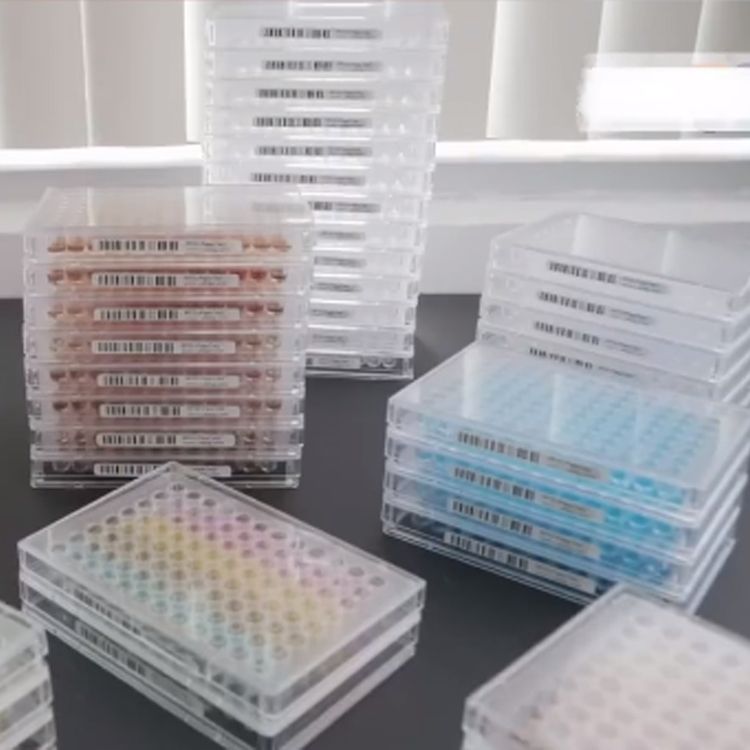
In molecular biology laboratories, PCR microplates are essential consumables for high-throughput workflows such as genotyping, qPCR assays, NGS library preparation, and sequencing. However, many laboratories still use handwritten marker or standard paper labels for PCR plate identification, leading to label detachment after low-temperature storage, unscannable barcodes, and loss of sample information.
In long-term cryogenic storage at biobanks, LN₂ storage is widely recognized as the "gold standard." However, when selecting cryovial labels, many laboratory managers overlook a key prerequisite: Are your specimens stored in the vapor phase or the liquid phase? These two storage modes differ significantly in environmental conditions, placing different demands on label temperature resistance, material flexibility, and adhesive formulation.
In applications such as biopharmaceuticals, clinical research, and biobanking, laboratory labels are the core carrier for sample tracking and information management. A typical mid-sized biobank may manage tens of thousands of samples, with each sample requiring at least 1–2 labels—covering a variety of containers such as cryovials, microcentrifuge tubes, conical tubes, microplates, and tissue cassettes.
As biobanks continue to expand worldwide, it is now common for a single biobank to manage hundreds of thousands or even millions of cryovials. These precious specimens must be stored long-term in -196 °C LN₂, yet conventional handwritten labels or standard barcode labels have serious problems in ultra-low temperature environments: adhesive embrittlement and detachment, face stock cracking, unscannable blurred barcodes, and time-consuming manual inventory with high error rates.
As core infrastructure for precision medicine and life science research, a biobank's identification system directly affects sample quality management and full-process traceability. In its Best Practices guidelines, the International Society for Biological and Environmental Repositories (ISBER) explicitly states that all cryopreserved samples must use identification media capable of withstanding the storage environment, and recommends barcodes or radio frequency identification (RFID) technology for automated tracking.
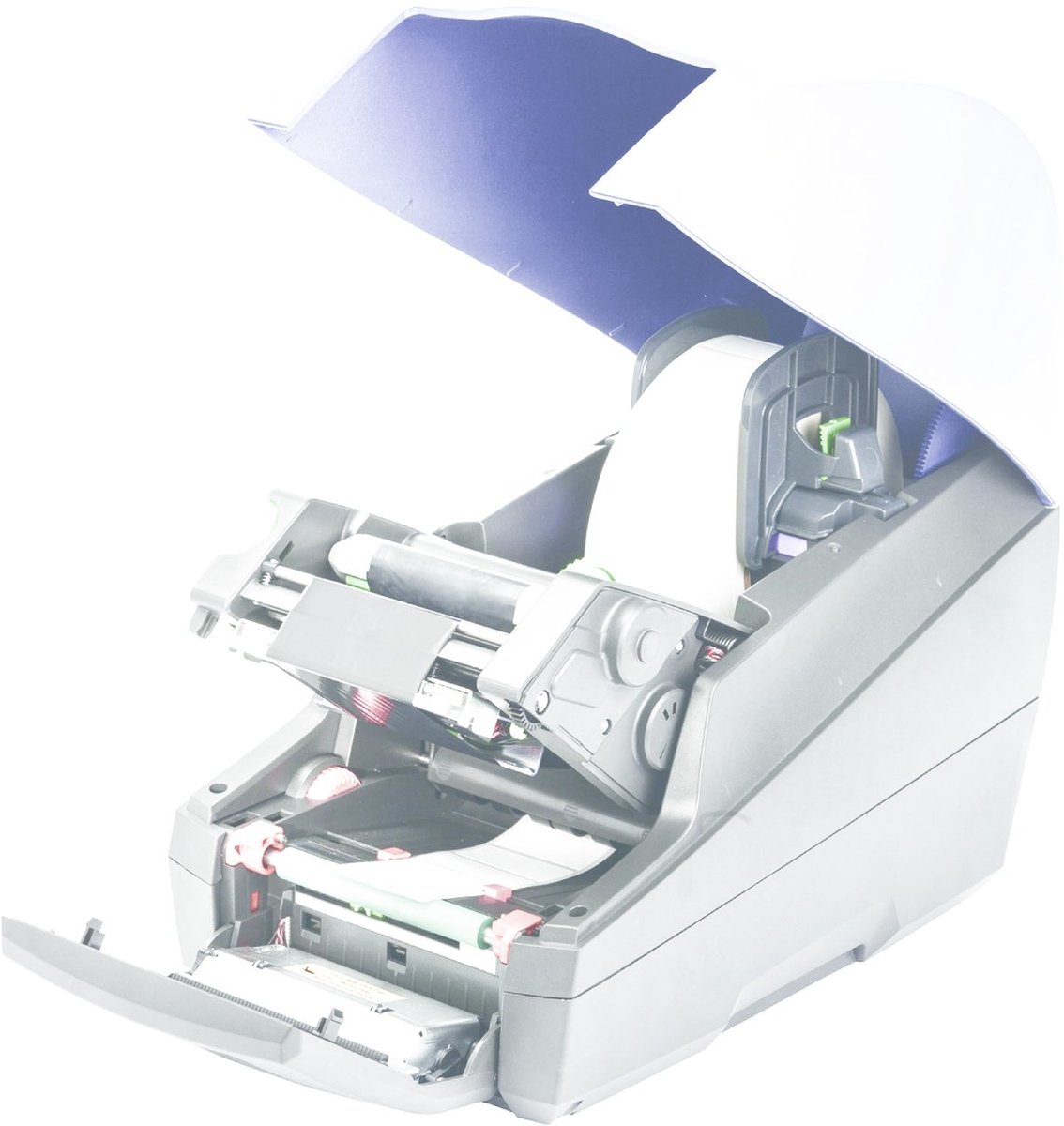
Biobanks, CDC laboratories, and pharmaceutical company labs process large volumes of cryovial, microcentrifuge tube, PCR plate, and microplate labels every day. Standard office printers cannot handle these tasks—cryogenic label face stocks are PET polyester or nylon cloth and require thermal-transfer technology to keep printed content from fading or peeling off in -196 °C liquid nitrogen environments.
In daily laboratory work, many operators encounter issues such as faded print, blurred barcodes, and ribbons that do not withstand freezing after labels are printed. These problems are often not caused by the quality of the labels themselves, but by a mismatch between the ribbon and the label material. As a professional laboratory identification solution provider, BRD has developed the BRL series of dedicated ribbons for different cryogenic label materials and application scenarios.