
Solutions
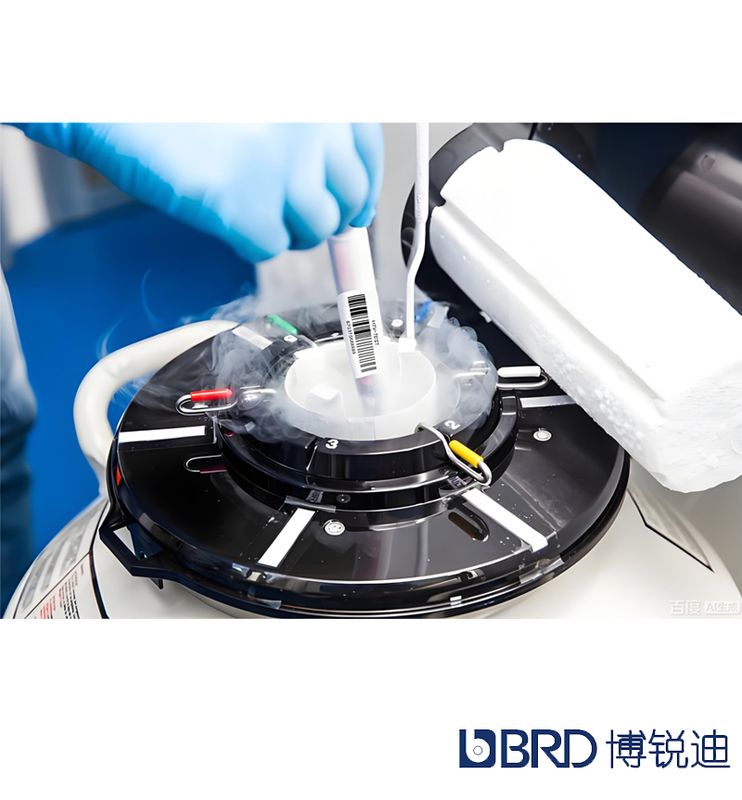
Cryovials are the most commonly used specimen storage containers in biobanks and laboratories, and cryovial labels are the key carrier ensuring specimen traceability. In extreme environments such as -80 °C ultra-low temperature (ULT) freezers or -196 °C LN₂ dewars, the label material directly determines whether identification remains clearly legible throughout the entire storage cycle. As a professional domestic brand in the cryogenic label field, 博锐迪 BRD offers a cryovial label product line covering the full temperature range, helping laboratories select the right product with precision.
Among the three key components of cryogenic labels—face stock, adhesive, and release liner—the adhesive is the critical factor determining whether a label can adhere reliably in extreme low-temperature environments. As a leading domestic provider of cryogenic label solutions, BRD has invested continuously in the R&D and optimization of adhesive technology over the years. BRD understands that only by gaining an in-depth understanding of how adhesives work at the materials science level can truly reliable cryogenic label products be designed for different application scenarios.

In the daily operations of a biobank, specimen label management may seem like a "minor step," yet it directly affects specimen traceability, data integrity, and compliance audit results. In serving numerous biobank customers, BRD has found that many institutions, despite being equipped with high-quality cryogenic labels and printing equipment, lack a systematic standard operating procedure (SOP) for label management, resulting in non-standard label usage, inconsistent quality, and difficulty tracing issues.
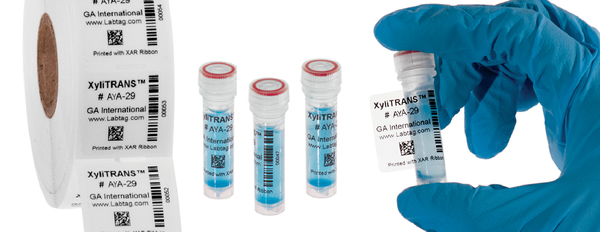
In biobanks, pharmaceutical companies, and research institutions, the choice of cryogenic labels directly affects the safety and compliance of sample management. However, while serving customers, the 博锐迪BRD technical team has found that many procurement staff hold misconceptions when selecting cryogenic labels, resulting in purchased products that fail to meet actual application requirements and even cause serious consequences such as specimen identification failure.
In the pharmaceutical industry, cold chain compliance audits are a critical part of ensuring the quality and safety of drugs and biological products. Whether under EU GDP (Good Distribution Practice), China GSP (Good Supply Practice for Pharmaceutical Products), or the GxP systems within the ICH Q7/Q9/Q10 framework, all set clear requirements for the labeling traceability of samples and products.
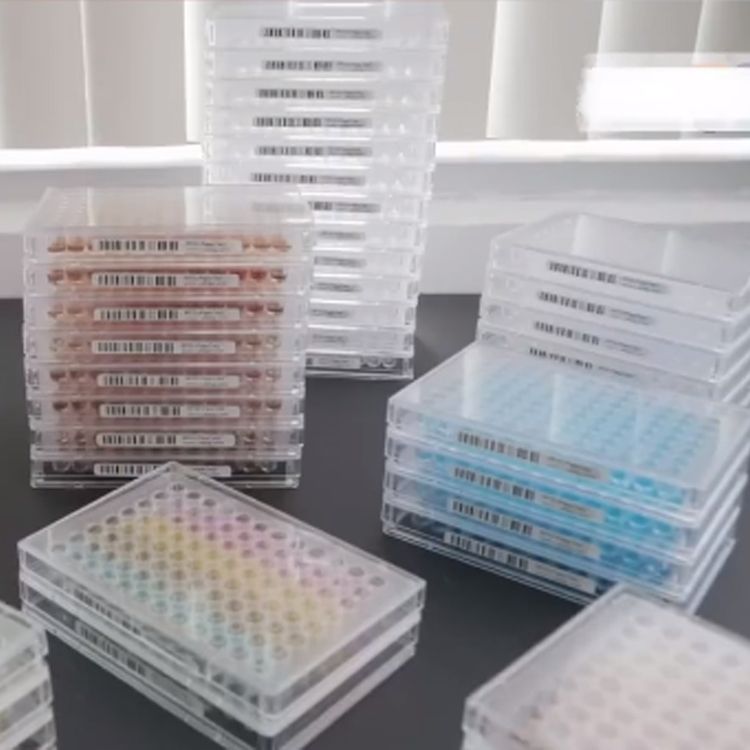
In molecular diagnostics, genetic testing, and drug discovery laboratories, PCR plates (microplates) are among the most commonly used high-throughput consumables. A standard 96-well PCR plate may carry amplification reactions for dozens of different samples; without clear, durable identification, the risk of sample mix-up increases substantially. However, printing and applying PCR plate labels differs greatly from ordinary labels—labels must withstand the high temperatures of PCR thermal cycling (typically above 95 °C) and may undergo low-temperature storage at -80 °C or -196 °C,
In the daily operations of biobanks, CDCs, and pharmaceutical companies, the print quality of cryogenic labels directly affects the reliability of sample traceability. However, when purchasing cryogenic label printers, many laboratories focus only on equipment price and overlook key factors such as print resolution, ribbon compatibility, and long-term cost of ownership. This leads to problems with printed BradyLAB BRD cryogenic labels, including blurred barcodes, broken text lines, and ribbon breakage, which in severe cases can even compromise specimen identification safety.
As biobanks scale up rapidly and laboratory automation advances, automated sample management systems (ASMS) have become standard equipment for large biopharmaceutical companies and medical research institutions.
The biopharmaceutical industry relies on cold chain logistics to transport large volumes of valuable biological samples—from clinical blood samples and tissue sections to cell therapy products and mRNA vaccine raw materials. These samples must be maintained at specified low temperatures during transport, typically -20 °C to -196 °C (dry LN₂ shipping). However, conventional labels face multiple challenges in cold chain transport: labels become brittle and detach at low temperatures, temperature fluctuations cause label adhesion failure, and condensation fog obscures barcodes, making them unscannable.
CRISPR-Cas9 gene editing technology has become one of the most transformative tools in the life sciences. Throughout the entire gene editing workflow—from gRNA design, cell culture, gene transfection, and clone screening to post-editing cell identification—each step generates numerous sample tubes and cryovials that require precise tracking.
Cell therapy is moving from the laboratory to industrialization. As of 2026, more than 10 CAR-T products have been approved for marketing worldwide, and hundreds of stem cell clinical trials are underway. Behind every cell therapy product, a common support system quietly operates: specimen identification and traceability.
In the daily operations of a biobank, LN₂ labels must withstand not only the extreme low temperature of -196 °C but also another invisible threat: chemical reagents. From 75% ethanol disinfection to DMSO freezing medium, from isopropanol cleaning to formaldehyde fixative—chemicals in the laboratory are almost everywhere. In actual cases, BRD found that about 18% of premature LN₂ label failures are directly related to chemical reagent exposure, rather than caused by low temperature itself.