
Solutions
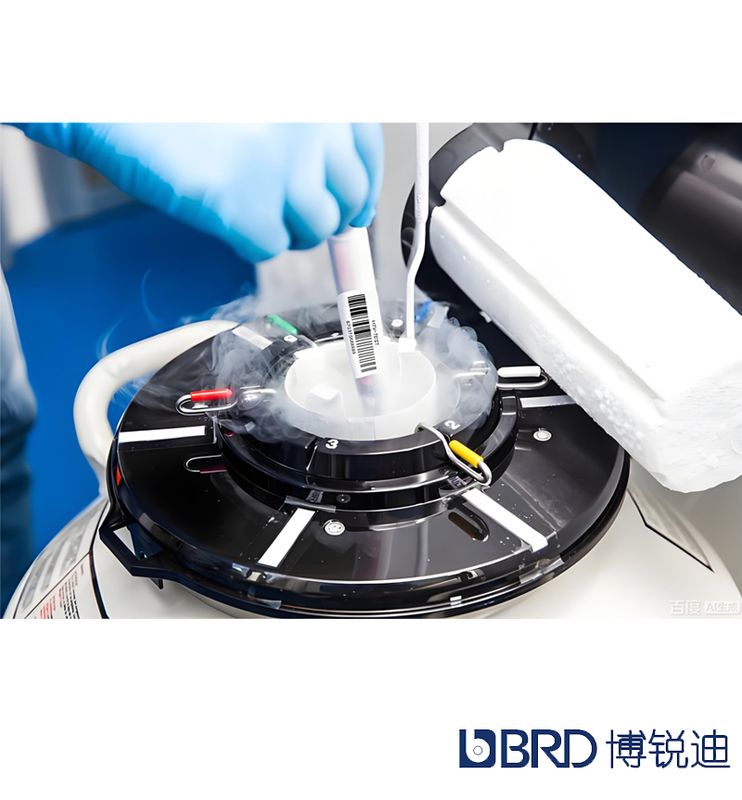
Data source: BradyLAB BRD laboratory cryogenic labeling product specifications · The applicable temperature range is a typical laboratory test value; please verify according to the specific application scenario. Among labeling incidents in biobanks and laboratories, one situation is the most troublesome: the label is firmly attached, the adhesive is fine, and the face stock has not become brittle or cracked, but when the cryovial is taken out, the barcode and text on it are smeared into a blur, and the barcode scanner cannot read it no matter what.
Data source: BradyLAB BRD laboratory cryogenic labeling product specifications · The applicable temperature range is a typical laboratory test value; please verify according to the specific application scenario in actual use. Traditional biobank inventory counting relies on scanning 1D or 2D barcodes tube by tube. For a mid-sized biobank with 100,000 cryovials, scanning each tube after opening the box takes dozens of hours on average, and the cryoboxes must be removed one by one from the LN₂ dewar, repeatedly undergoing temperature shock from -196 °C to room temperature.

Data source: BradyLAB BRD laboratory cryogenic labeling product specifications · The applicable temperature range is a typical laboratory test value; please verify according to the specific application scenario. Cryovials, PCR tubes and reagent bottles in biobanks are exposed long-term to -80 °C ultra-low temperature or liquid nitrogen vapor environments, where ordinary labels tend to become brittle, fade or peel off, resulting in the loss of sample traceability information.
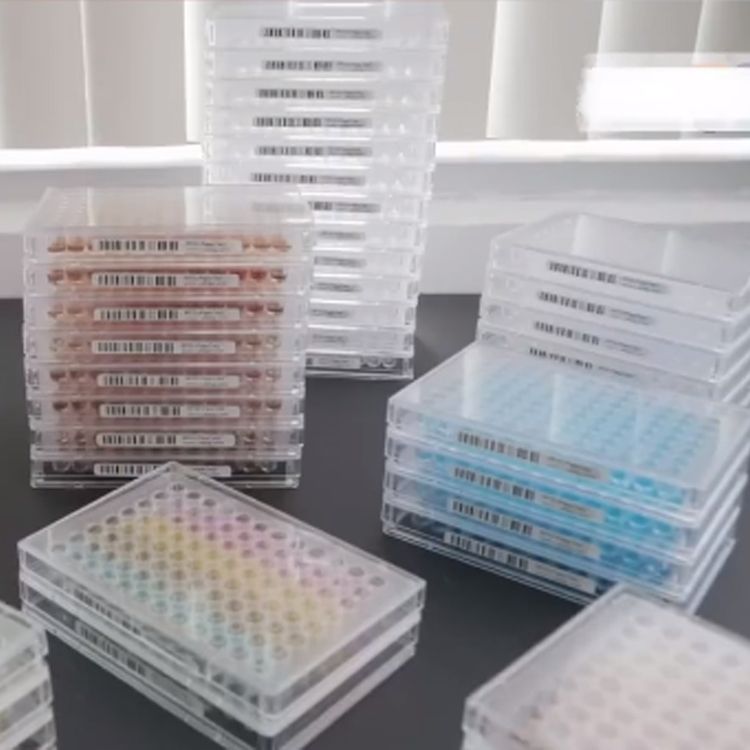
Data source: BradyLAB BRD laboratory cryogenic labeling product specifications · The applicable temperature range is a typical laboratory test value; please verify according to the specific application scenario in actual use. Microplates are the core carrier for life sciences, drug discovery, and IVD reagent testing. Common formats include 6-well, 12-well, 24-well, 48-well, 96-well, 384-well, and 1536-well, among which 96-well is the most widely used standard format.
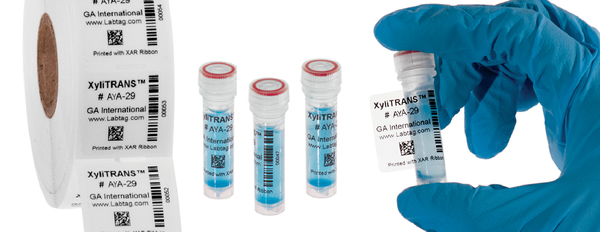
Data source: BradyLAB BRD laboratory cryogenic labeling product specifications · The applicable temperature range is a typical laboratory test value; please verify according to the specific application scenario in actual use. Microcentrifuge tube labels look very similar to ordinary adhesive labels in appearance, but the working environment dictates that ordinary materials cannot be used as a makeshift substitute. Microcentrifuge tubes range from 0.5 mL microcentrifuge tubes to 50 mL large-capacity conical-bottom tubes (Falcon tubes), with tube diameters ranging from approximately 8 mm to 30 mm. Labels need to adhere to curved surfaces for extended periods without edge lifting or adhesive failure.

Data source: BradyLAB BRD laboratory cryogenic labeling product specifications · The applicable temperature range is a typical laboratory test value; please verify according to the specific application scenario in actual use. To ensure the label adheres firmly, first understand the specifications of the slide itself. The internationally standard microscope slide size is 25 × 75 mm, the US standard is commonly 26 × 76 mm, and there are also 22 × 22 mm square slides and 15 × 15 mm micro slides, the latter mainly used for high-throughput screening experiments.
Data source: BradyLAB BRD laboratory cryogenic labeling product specifications · The applicable temperature range is a typical laboratory test value; please verify according to the specific application scenario in actual use. In the daily work of the pathology department, labels are the most easily overlooked item on the consumables list. Opening Appendix A of CNAS-GL048:2021 "Accreditation Guide for the Field of Histopathology Examination in Medical Laboratories," one finds that "correct labeling" is listed as an independent scoring item in the HE pathology slide quality assessment, worth as much as 10 points.
Data source: BradyLAB BRD laboratory cryogenic labeling product specifications · The applicable temperature range is a typical laboratory test value; please verify according to the specific application scenario in actual use. Once the PCR amplification system is running, every piece of identity information for the sample depends on a small label. If a label affixed to the plate lifts, falls off, or the writing becomes blurred midway, all the prior work of loading, sealing, and running on the instrument will be wasted.
Data source: BradyLAB BRD laboratory cryogenic labeling product specifications. The applicable temperature range is a typical laboratory test value; please verify according to the specific application scenario. Cryovial labels detaching in a -196 °C liquid nitrogen environment is usually not caused by the label itself, but by the tube surface preparation before labeling.
Data source: BradyLAB BRD laboratory cryogenic labeling product specifications · The applicable temperature range is a typical laboratory test value; please verify according to the specific application scenario in actual use. General-purpose laboratory labels are a multi-scenario label covering daily reagent bottles, glassware, sample tubes, equipment ID, and document archive identification.
Data source: BradyLAB BRD laboratory cryogenic labeling product specifications · The applicable temperature range is a typical laboratory test value; please verify according to the specific application scenario in actual use. Feedback from a biobank at a tertiary hospital: After labeled 2 mL cryovials were placed in an LN₂ dewar for 3 days and then removed, the entire label floated on the surface of the liquid nitrogen, and the specimen inside the vial was completely unidentifiable.
Data source: BradyLAB BRD laboratory cryogenic labeling product specifications · The applicable temperature range is a typical laboratory test value; please verify according to the specific application scenario. Since the microplate was invented in 1951 by Hungarian microbiologist Gyula Takátsy, it has undergone a complete evolution from a manual 8 × 12 well array to injection-molded industrial production.