
Solutions
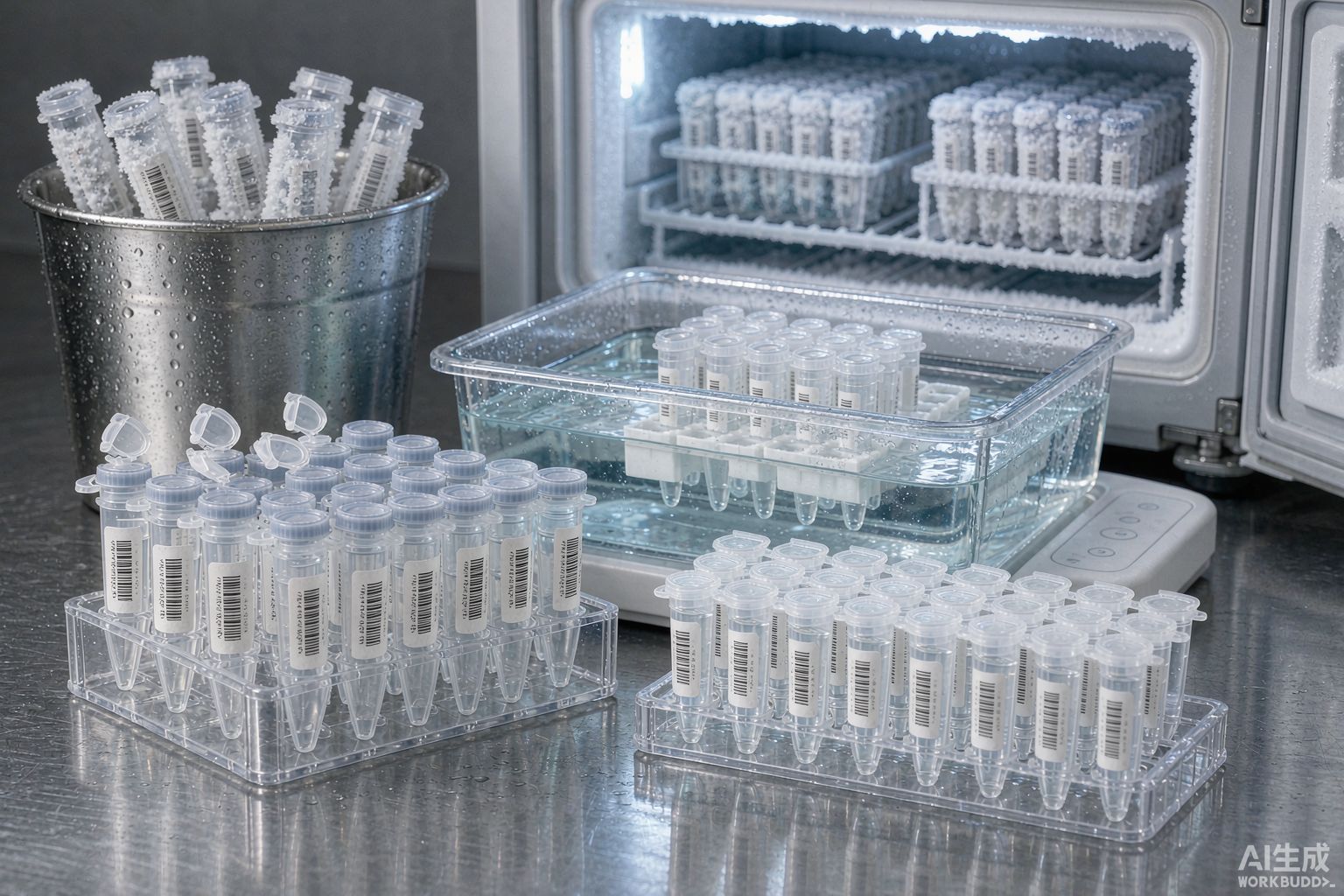
质粒与感受态标签的选型,第一判定条件不是耐 -80℃,而是同一支管在 40 分钟内穿越 0℃ 冰浴、42℃ 水浴、37℃ 摇床三个温度点的急变负荷:42 K 温差在 1.5 mL 管上可产生约 0.19 mm 的界面位移,边缘起翘从热激之后才开始。第二判定条件是容器外径——0.2 mL PCR 管周长仅 18.85 mm,一维码只放得下 2 位数字,必须改 DataMatrix 16×16 才能承载 18 位编码。第三才是材质档位:官方四档温度全勾的只有 T629 尼龙布、T429 冷冻平面与 T459 自覆膜超薄聚酯三款,T419 与 T329 的定位是耐 -40℃ 以上,不能进入 -80℃ 档。本文给出温度事件表、五种容器的条码容量核算、材质矩阵,以及首件、冻融复测、条码评级三道验收线。
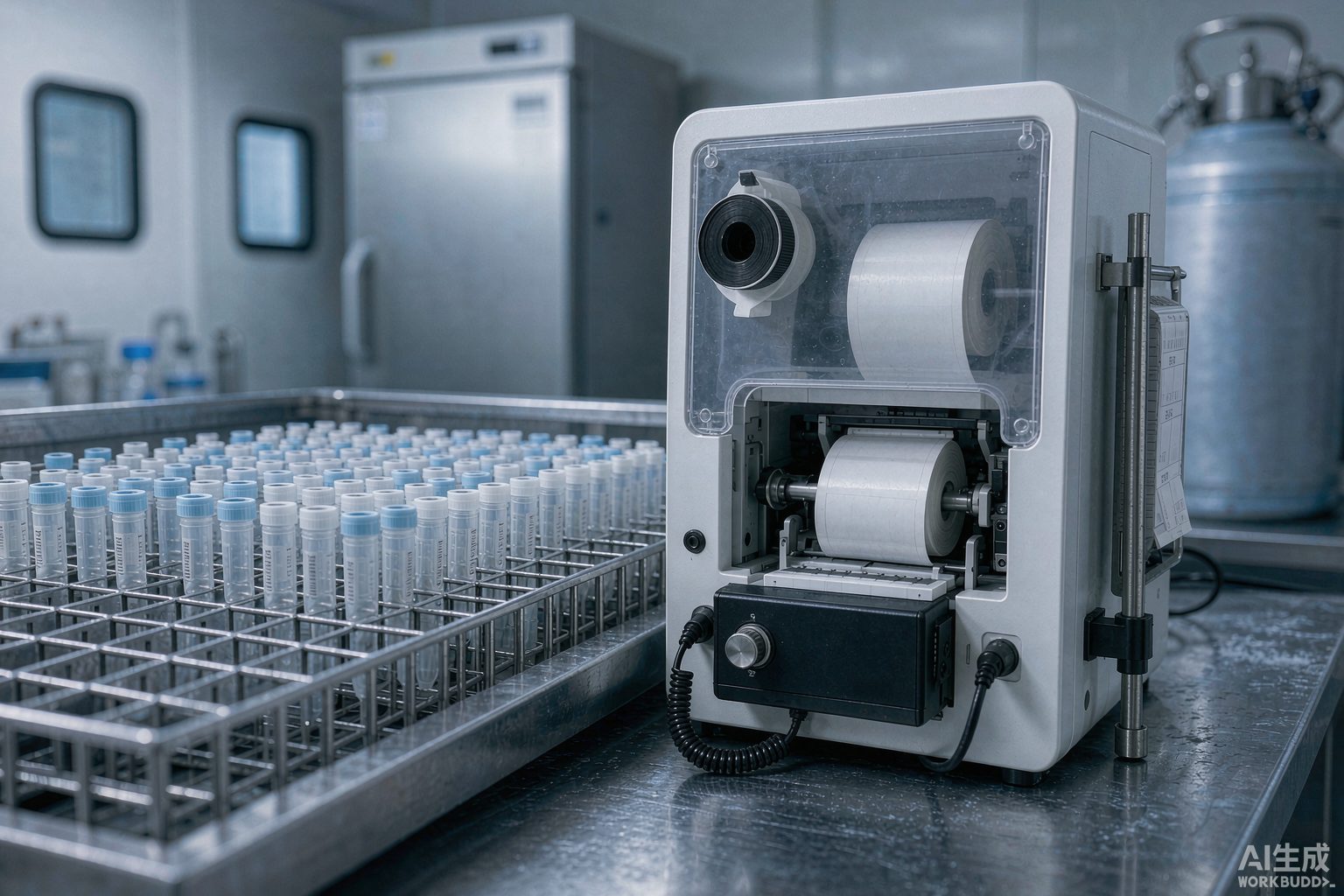
冻存管自动贴标的标签卷选型,第一判定条件不是贴标速度,而是卷向、卷芯内径、模切间距与传感方式能不能和贴标机的机械逻辑对上:卷向装反是整卷报废,黑标机配间隙卷料会走到卷尾仍报缺纸。结论是先过“上机三关”(卷向、间距传感、剥离力与卷径),再按 2 mL 管 39.3 mm 周长核算标签宽度与3 mm 搭接,最后按室温贴标、2—10℃ 冷库贴标、贴标后入 -80℃ 三段环境选胶系与面材——T629 尼龙布、T459 自覆膜超薄聚酯与 T429 冷冻平面标签覆盖 -80℃ 与 121℃ 双档,T419/T329 仅耐 -40℃ 以上不能越档。贴标完成到入柜的静置窗口建议 ≥2 h 并按 GB/T 2792-2014、GB/T 4851-2014 方法实测确定,条码按 ISO/IEC 15416/15415 评级验收。
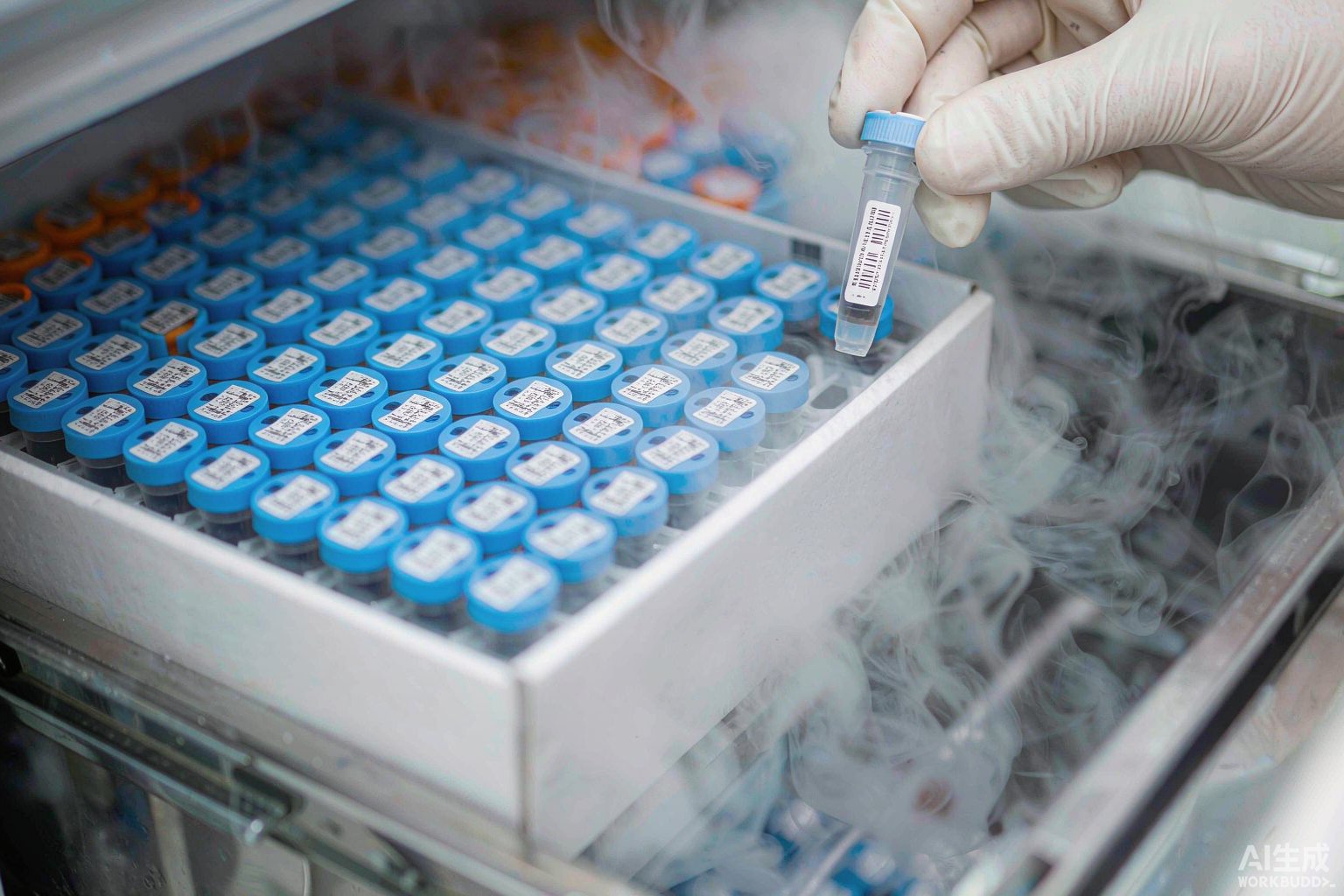
Gut microbiome biobank labels are a cryogenic identification solution covering the entire workflow of fecal sample collection, homogenization and aliquoting, -80 °C freezing, and retrieval for re-testing. The primary selection criterion is not the minimum tolerated temperature, but the combined effect of repeated freeze–thaw cycles, endogenous sample moisture, and cold-chain fluctuations on the adhesive layer: for -80 °C cryovials, prioritize polyester freezer labels with wrap-around overlap (T429) or self-laminating labels with a clear window (T459); for collection, transport, and short-term ambient storage, nylon cloth labels (T629) can be used; for cohort color-coding management, six-color pre-printed labels (T439) are recommended. This article provides complete selection and operating guidance covering the three-stage temperature chain, homogenization and aliquoting coding, and matching of print ribbons.
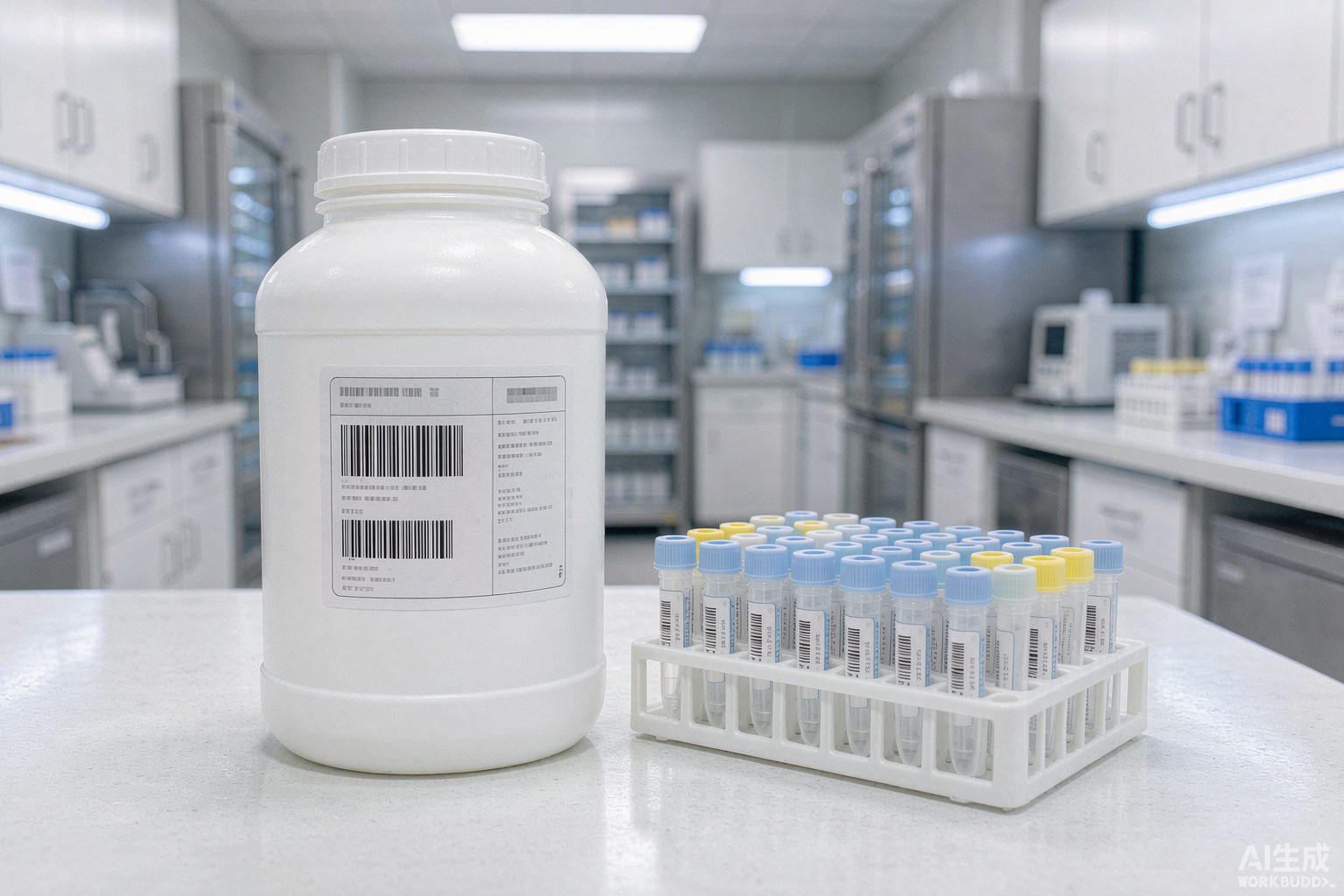
Bottom line first: for 24-hour urine and urine sediment specimen label selection, the primary criterion is not barcode print clarity, but whether the ID and printed information remain readable, scannable, and traceable across the four carrier segments that the same urine sample passes through—from collection, centrifuged sediment, microscopy, to aliquot storage: the preservative-containing 24-hour collection container, the conical-bottom centrifuge tube and conical tube, the microscopy smear slide, and the -80 °C aliquot tube. The chemical attack of preservatives (concentrated hydrochloric acid, toluene, thymol) on the face stock and ink layer becomes the dominant variable in label failure before low temperature does; the aliquot storage segment further compounds freezer conditions and repeated freeze–thaw cycles. This article grades working conditions by preservative exposure, selects materials for the four-segment chain, cross-checks item by item against the official material guide table, aligns the three-field coding with ISO 15189:2022 pre-examination procedures, and provides resin-based cryogenic ribbon printing and an implementation SOP.
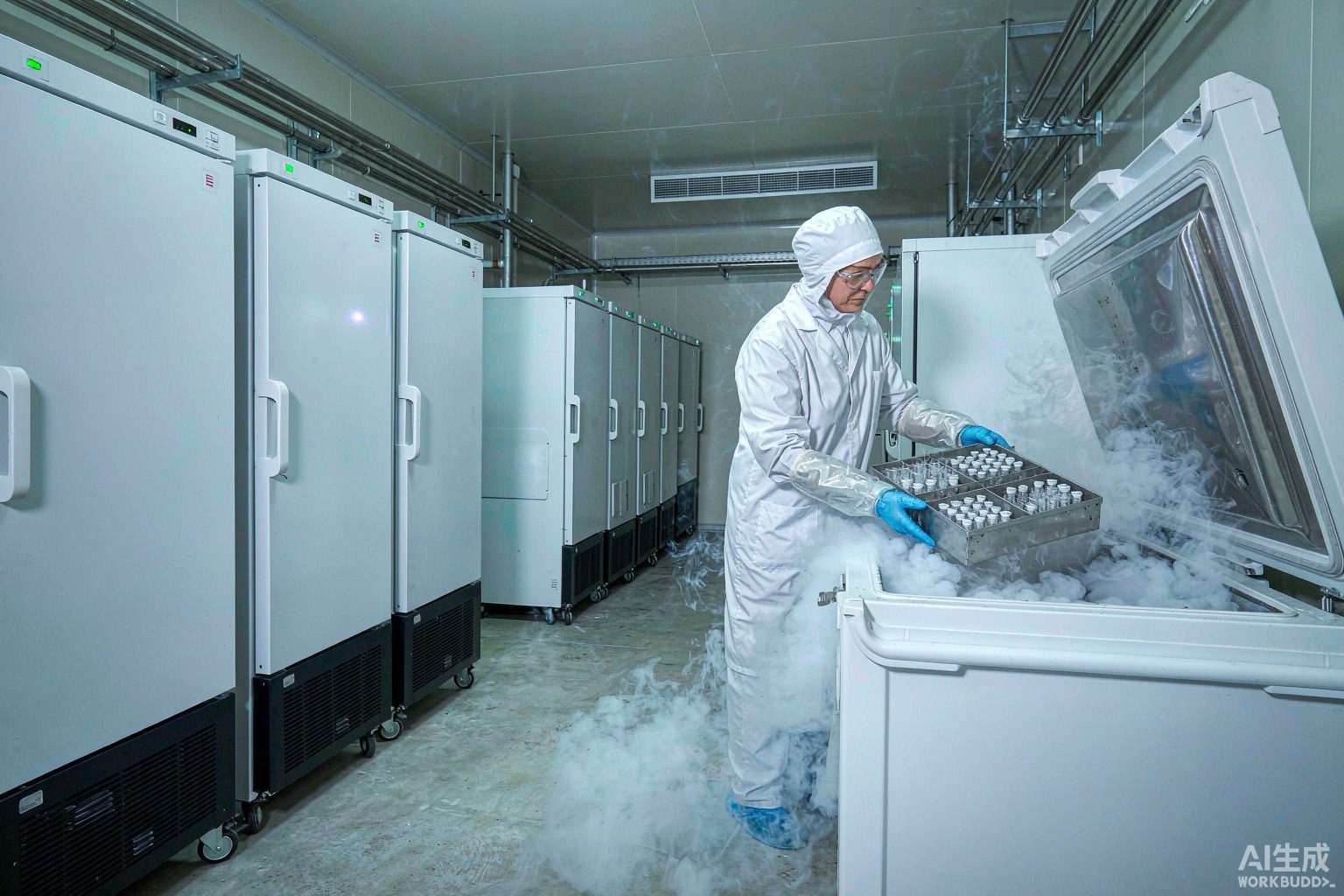
Bottom line first: when a biobank establishes an off-site backup repository, the primary criterion for label selection is not whether the labels will adhere to equipment at the off-site facility, but whether the ID and printed information on the same cryovial remain readable, scannable, and reconcilable after the entire round-trip chain—main repository -80 °C freezer or LN₂ tank, dry ice transport, and re-storage at the off-site repository. This article provides the complete framework for dual-site consistent identification: the main and off-site repositories share one mirrored coding scheme; materials prioritize T629, T429, and T459, which are suitable for both LN₂ and freezer conditions; the transfer leg uses dry ice to maintain -78.5 °C and includes arrival re-inspection; resin-based cryogenic ribbons and ISO/IEC 15416 print quality grading acceptance are used to drive dual-site inventory discrepancies to zero, with an executable SOP and FAQ included.

Bottom line first: the primary criterion for cryogenic labels used in controlled-rate freezing containers is not whether they can withstand -196 °C LN₂, but how many complete cycles the same batch of cryovials must undergo: "-80 °C gradient cooling — isopropanol immersion — transfer to LN₂ within 24 hours — rewarming upon later retrieval." Isopropanol has a melting point of approximately -89.5 °C and remains liquid in a -80 °C freezer, continuously wetting the label edges and adhesive layer; when transferred from -80 °C to -196 °C LN₂, the temperature differential is as high as 116 °C, and any microscopic interface defect will be amplified into edge lifting, detachment, or an unreadable barcode. This article follows five steps — stress decomposition, stepwise selection from the official material matrix (T629/T459/T429/T409/T509), labeling process, five-segment box-position coding, resin-based ribbon printing, and ISO/IEC 15416 readability verification — to provide an executable selection SOP for biobanks, cell banks, and CDC/hospital specimen departments, with an accompanying common failure troubleshooting table and FAQ.
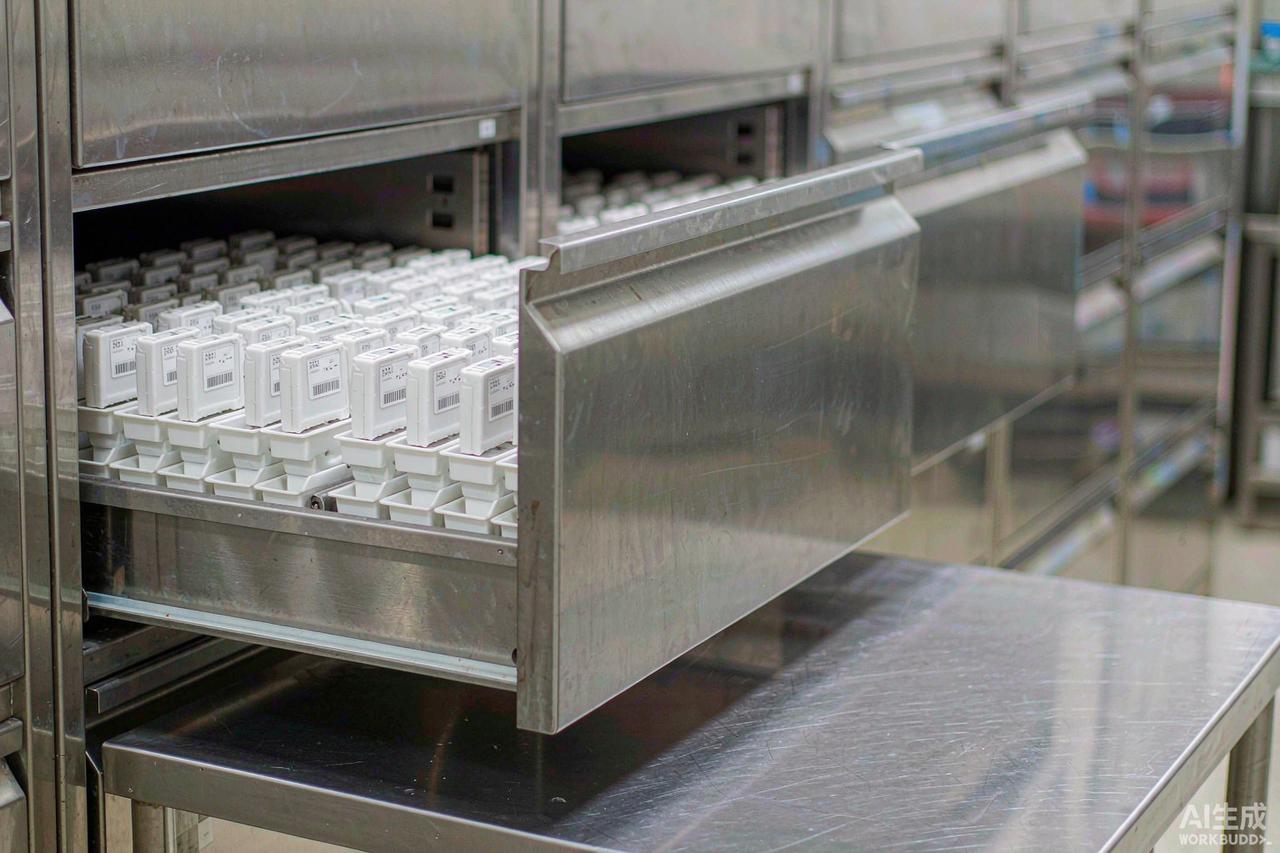
When selecting labels for a tissue wax block library, the first criterion is not whether the label can adhere to the narrow ~8-10 mm front wall of the embedding cassette. Rather, it is whether the ID can be transferred with zero loss across the six ledger stages—grossing, embedding, sectioning, storage, retrieval, and disposal—when the same tissue exists in parallel on three carriers: room-temperature permanent wax block archive, frozen tissue at -80 °C or in LN₂, and room-temperature slide archive. Tiered conclusions: the room-temperature wax block and embedding cassette tier follows the xylene-resistant and H&E staining route; the official T424 covers LN₂ -196 °C, hot water 100 °C, and room temperature, but cannot cover the -80 °C freezer tier; the deep-cold tier uses T629 nylon cloth or T459 self-laminating; the sectioned slide archive tier uses T419 bright white PET, whose official lower temperature limit is -40 °C and cannot cover the -80 °C and LN₂ -196 °C tiers. This article provides a three-tier material matrix, four-segment coding, ISO/IEC 15416 barcode grade gate, and a ten-step implementation SOP.

The labeling pathway for saliva samples differs from that of standard cryovials: they are delivered over several days to tens of days in a room-temperature stabilization solution, and only afterward transferred to -80 °C or -196 °C for long-term storage. A single label must pass both the room-temperature exposure window and the cryogenic storage window. This article presents a three-tier decision priority, uses the ISO/IEC 15416 symbol width formula to calculate a 1D barcode usability matrix for tubes with 16 to 25 mm outer diameter, and demonstrates that on a 16 mm tube a 13-digit alphanumeric ID falls short by 5.0 mm, requiring either an all-numeric code or a Data Matrix of approximately 5.4 to 7.2 mm square; it also uses the difference in coefficients of linear expansion to calculate the cryogenic mismatch and shows that nylon cloth face stock can reduce it by approximately 46% relative to polyester face stock. The article concludes with a column-by-column comparison of the official material guide table, field structure, resin ribbon, a tiered acceptance checklist, and corrections for six common misuses.
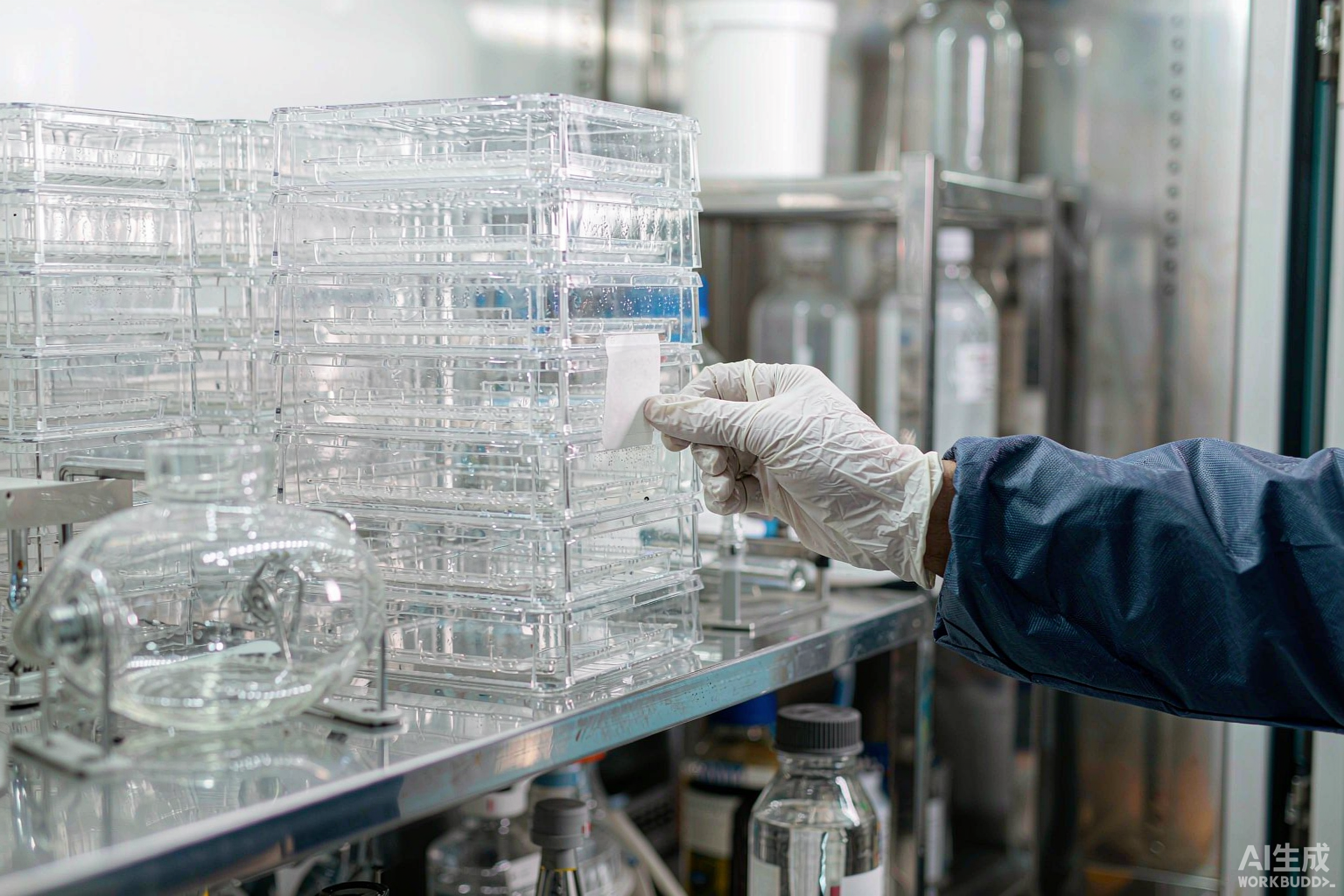
For labeling selection for scale-up culture vessels such as multi-layer cell culture vessels, roller bottles, and spinner flasks, the primary criterion is not the minimum temperature but the cumulative load formed by "humidity, motion, and duration." This article presents a three-tier assessment: first, whether the label enters the 37 °C incubator with relative humidity of no less than 95% together with the entire vessel and follows the full culture cycle; second, the sterilization pathway—single-use irradiated consumables do not need to pay for 121 °C, while reusable glassware must follow the 121 °C cycle; and finally, the -80 °C or -196 °C deep-freeze endpoint of the harvested material. Based on the cell application column of the official material guide table, the article identifies the only material that simultaneously covers cell applications and the autoclave tier, and provides a wet–dry alternation cycle conversion table, the encoded field structure, a thermal-transfer ribbon and barcode tiered acceptance checklist, and corrections for six common misuses.
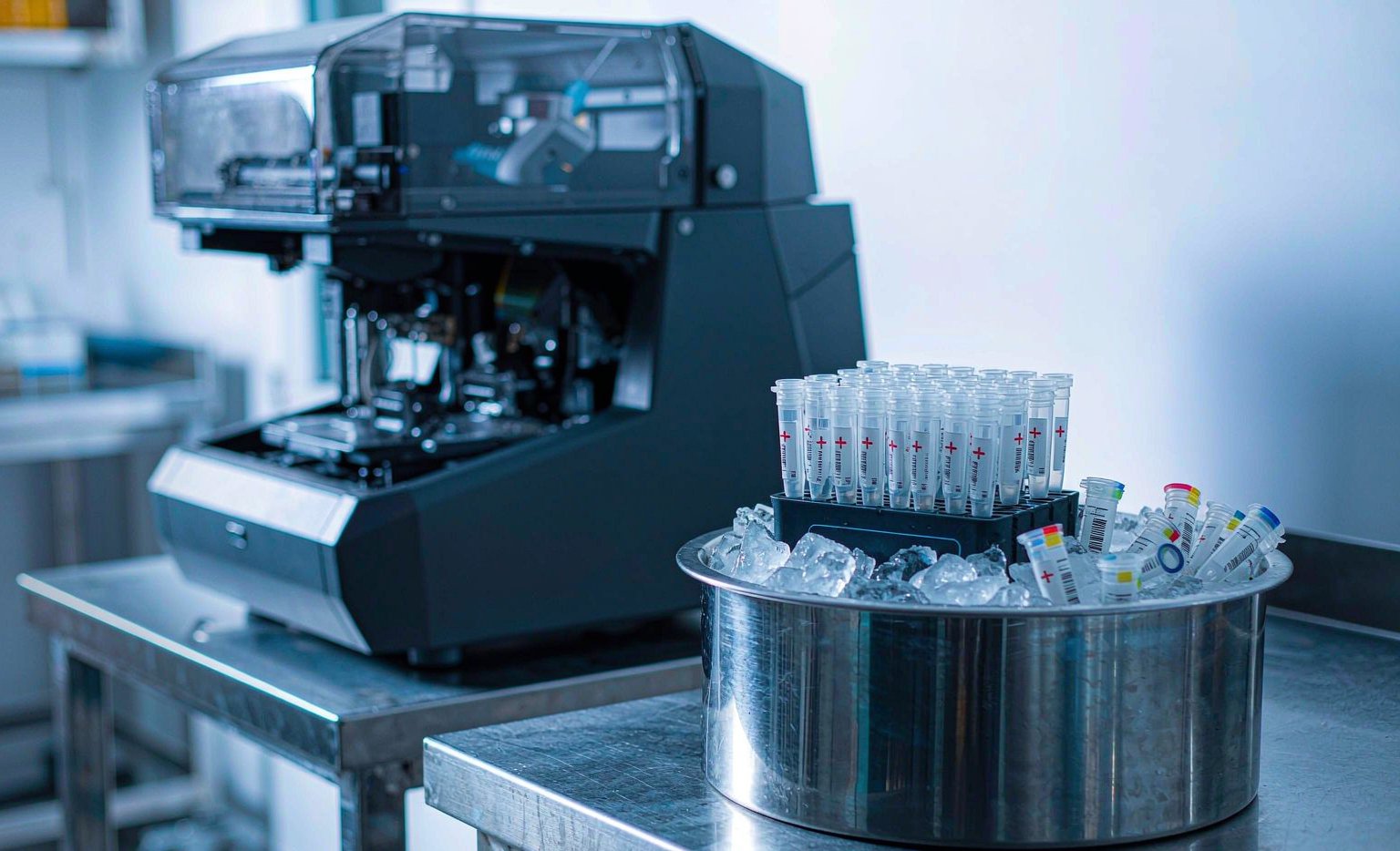
For label selection for collection tubes in cell sorting (flow sorting and magnetic bead sorting), the primary criterion is not the minimum temperature but the labeling sequence: labels must be applied before sorting begins and pre-cooled to 2–8 °C together with the collection tubes. The reason is that sorted products are one tube per fraction and cannot be recovered; once the collection tube exits the instrument, it immediately enters an ice bath or a 2–8 °C collection chamber, and condensation forms on the tube wall, so labels applied afterward will almost inevitably detach. This article presents an actionable selection SOP in six steps—"labeling sequence → geometric window → temperature chain → media attack → material mapping → coding uniqueness"—covering four types of collection vessels: 1.5 mL microcentrifuge tubes, 5 mL (12 × 75 mm) polypropylene round-bottom tubes, 15 mL conical tubes, and 96-well plates, and clearly distinguishes two completely different material routes: 2–8 °C same-day downstream only versus long-term storage at -80 °C and -196 °C.
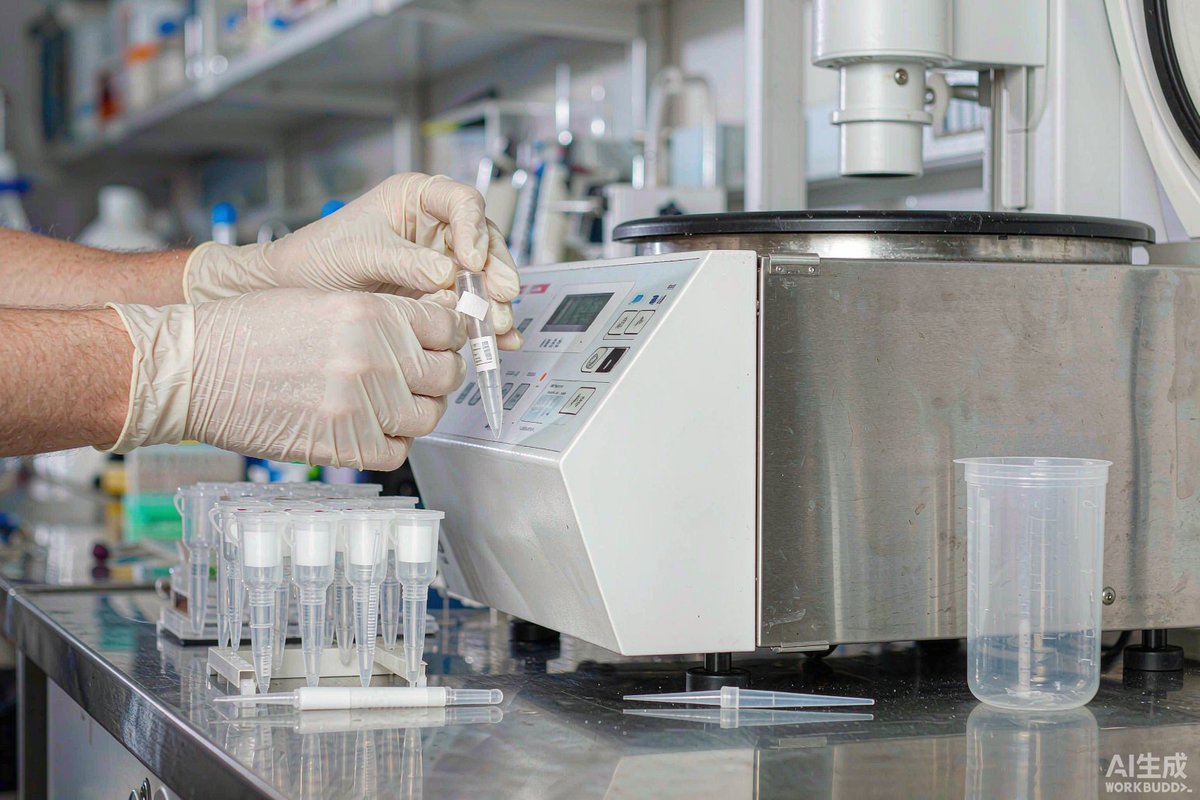
How to choose labels for ultrafiltration centrifugal tubes and concentrator tubes? Conclusion first: the primary criterion is not the temperature rating, but the container lifecycle tiering — a single ultrafiltration run produces three container types: process items (the ultrafiltration tube body), endpoint items (concentrate aliquot tubes), and retention items (filtrate collection tubes), each with different lifecycles, temperature chains, and labeling budgets. Process items only need temporary labeling at ambient temperature; endpoint items must use models checked in the -80 °C freezer column of the official material guide; retention items must carry a "Retain until" date field to form a retention closed loop. This article covers the material grade, size, and symbology decision chain for the three container types across 0.5/4/15 mL ultrafiltration devices and five molecular weight cut-off tiers from 3 kDa to 100 kDa, and provides field set design, DataMatrix symbology for small-diameter tubes, and resin ribbon printing execution points.
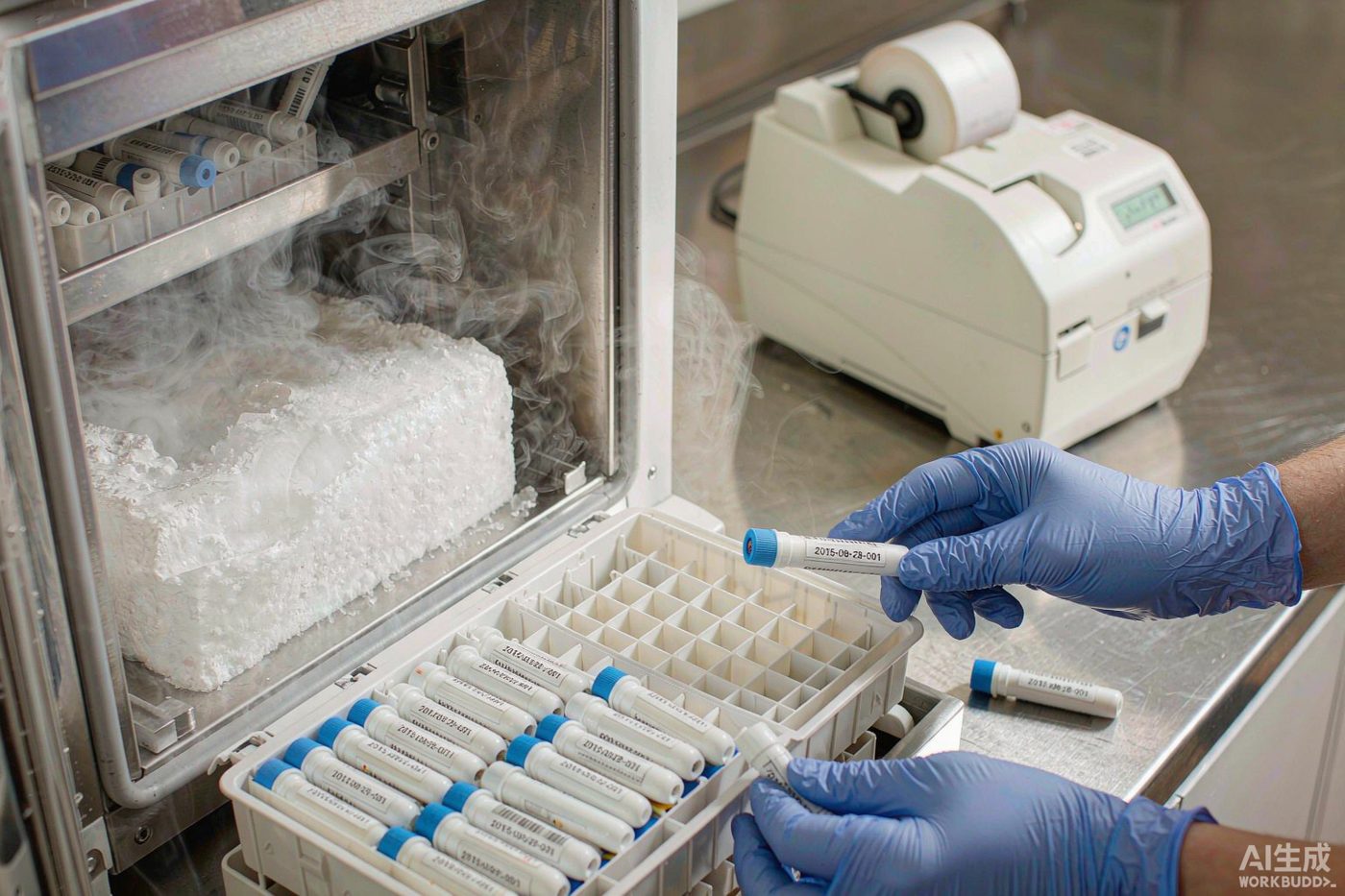
For labeling viral vectors such as lentivirus and adeno-associated virus, the first criterion is not whether the label adheres to the cryovial, but whether it can fully preserve the three fields—"titer, single-use volume, freeze–thaw count"—across -80 °C storage, dry ice transport, and LN₂ transfer. Industry operating manuals state that viral titer drops by approximately 10% per freeze–thaw cycle, and that vectors stored at -80 °C for more than 6 months should have their titer re-measured before use; therefore, viral vectors must be aliquoted into 10 to 50 µL single-use portions, one vial per use. This article provides labeling window calculations for 0.5, 1.0, and 2.0 mL cryovials, explains why 1D barcodes are the first to be eliminated at small tube diameters and why DataMatrix should be used instead, and, based on the official material guide table, defines material selection boundaries for four tiers—LN₂ -196 °C, freezer -80 °C, hot water 100 °C, and autoclaving 121 °C—along with a release status label layer, color-code management, and a three-step acceptance method, serving directly as a standard basis for viral vector aliquoting operations.