
Solutions
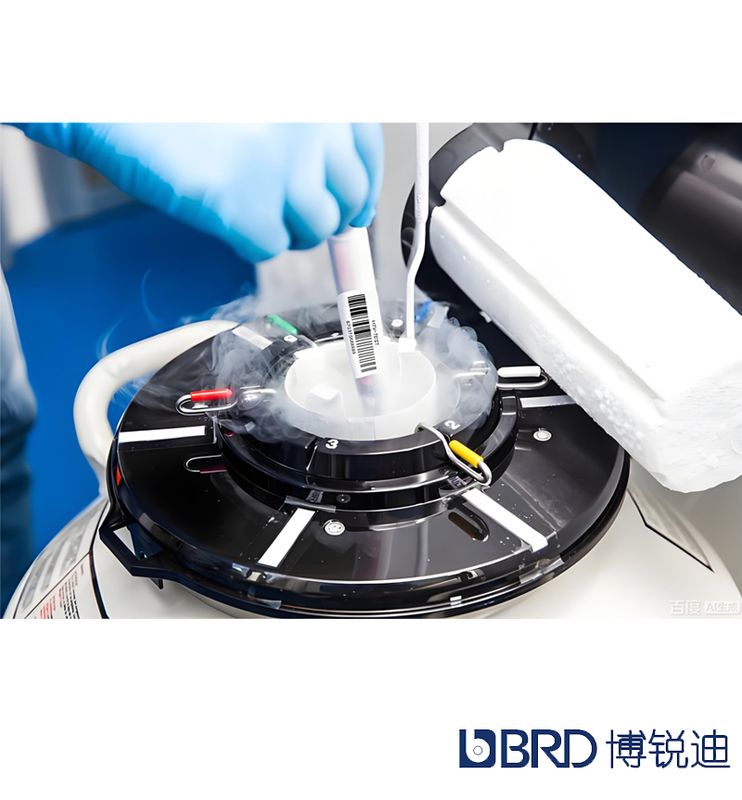
Biobanks bear the important mission of long-term preservation and standardized management of precious specimens. Specimen labeling, as the foundation of specimen information traceability, directly affects the accuracy and safety of specimen management. BRD 博锐迪 LAB series cryogenic labels have become the first choice of many biobanks thanks to their excellent performance. Common preservation methods in biobanks include -80 °C ultra-low temperature (ULT) freezers and -196 °C liquid nitrogen.
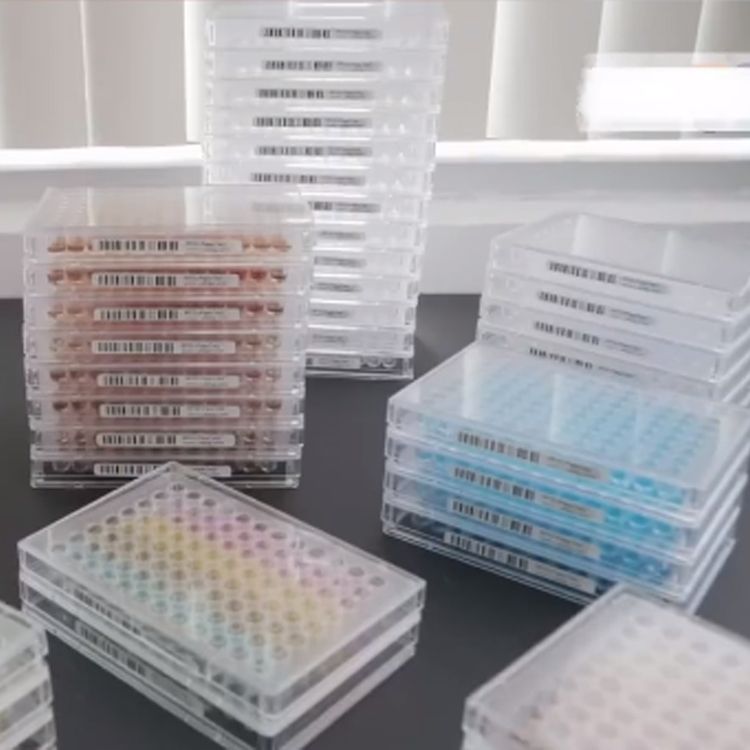
As a strategic resource platform for precision medicine and life science research, the construction quality of a biobank directly affects the reproducibility of research results and the reliability of clinical translation. As a key component of a biobank's quality management system, identification management runs through the entire process of specimen collection, processing, storage, and distribution. ISO 20387, "Biotechnology — Biobanking — General requirements for biobanking," sets clear specifications for specimen identification: each specimen should have a unique identifier, and the identification should be clear, durable, and traceable.

Recently, the BRD BradyLAB Lab038-439 -80 °C polyester PET color-coded classification label was successfully applied at the Danjiangkou City Center for Disease Control and Prevention (Danjiangkou City Health Inspection Institute) in Shiyan City, Hubei Province, providing a reliable labeling solution for the CDC's low-temperature sample management. Centers for Disease Control and Prevention undertake a large volume of specimen collection, testing, and storage work.
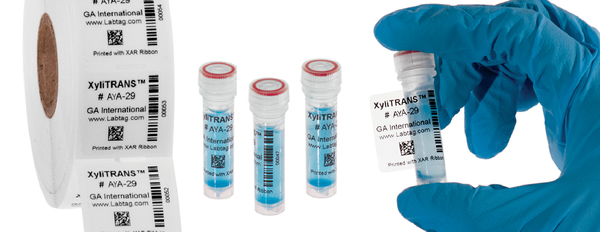
BRD BradyLAB Lab038-439 -80 °C polyester PET color-coded classification labels were recently successfully applied at the Yunxi County Center for Disease Control and Prevention (Yunxi County Health Inspection Institute), Shiyan City, Hubei Province, marking further expansion of BRD BradyLAB cryogenic labels in grassroots CDC institutions. The Yunxi County CDC routinely handles large volumes of low-temperature specimens such as serum, nucleic acid, and pathogenic microorganisms.
The Biobank of Kunshan First People's Hospital, as an important regional biological specimen repository, undertakes the collection, preservation, and management of a large number of clinical specimens. BRD BradyLAB Lab series cryogenic labels have been successfully applied in this biobank, providing reliable assurance for specimen identification. The hospital biobank needs to manage specimens from different departments, different disease types, and different time points, with a large specimen volume, many specimen types, and high traceability requirements.
BRADY, as an internationally recognized laboratory label brand, holds a significant position in the global market with its cryogenic freezer label products. However, issues such as high prices, long lead times, and limited customization of imported products have constrained domestic users' procurement. The domestically produced cryogenic freezer label solution launched by BRD provides users with a reliable alternative.
Laboratory Information Management Systems (LIMS) are a core tool for digital management in modern laboratories. The BRD BradyLAB Lab series cryogenic label printing solution/kit integrates with LIMS to help laboratories achieve automated printing of specimen information and full lifecycle traceability. LIMS requires a unique identifier for each specimen and binds specimen information to the label.
BRD BradyLAB Lab series cryogenic freezer labels deliver excellent performance and are fully compatible with BRADY printing software and printers. Users can enjoy cost-effective domestic cryogenic labels without replacing their existing equipment. BRADY printers are widely used in laboratories, biobanks, industrial manufacturing, and other fields, and their accompanying printing software and label consumables have long been recognized by users.
In the pharmaceutical field, many drugs, vaccines, and biological products are extremely temperature-sensitive and require storage and transport under low-temperature conditions. As the "identity card" of these products, the performance of cryogenic labels directly affects drug traceability, quality control, and medication safety. The pharmaceutical cold chain involves multiple stages, including production, warehousing, transportation, distribution, and use.
Many international brands compete in the cryogenic label market, and Avery Dennison is a key player. Its cryogenic label products cover a range of applications from -20 °C to -196 °C. In the domestic market, BRD (博锐迪) is also committed to providing customers with high-quality label solutions that cover a wide range of cryogenic application needs.
BRD BradyLAB cryogenic freezer labels are identification products designed specifically for laboratories and biobanks. They are widely used in low-temperature environments such as -80 °C ULT freezers and LN₂ dewars, providing reliable identification assurance for sample management. Excellent low-temperature resistance: Made with special low-temperature-resistant materials, the labels maintain stable adhesion and mechanical strength over a range from -196 °C to room temperature.
LabTAG is a laboratory label brand under GA International, well known in the international market for its extensive product line and professional cryogenic labeling solutions. In the domestic market, BRD (博锐迪) offers comparable domestically produced laboratory cryogenic label solutions to meet the diverse needs of local customers.