
Solutions
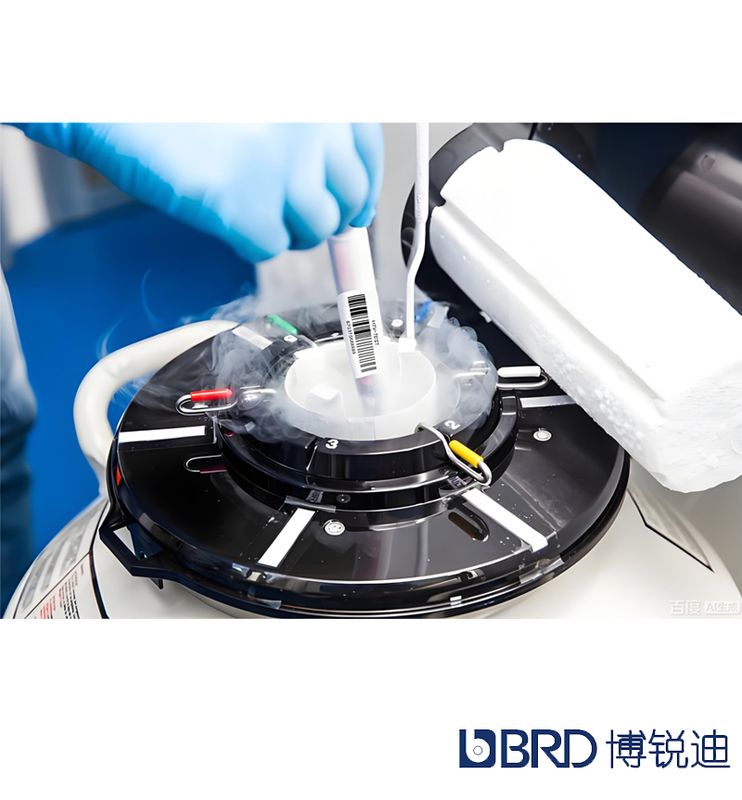
Data source: BradyLAB BRD laboratory cryogenic labeling product specifications · The applicable temperature range is a typical laboratory test value; please verify according to the specific application scenario in actual use. Many laboratories already have a mature set of standards for selecting the cryovial itself when purchasing, but when it comes to labeling, they often simply use room-temperature labels or grab a marker pen.
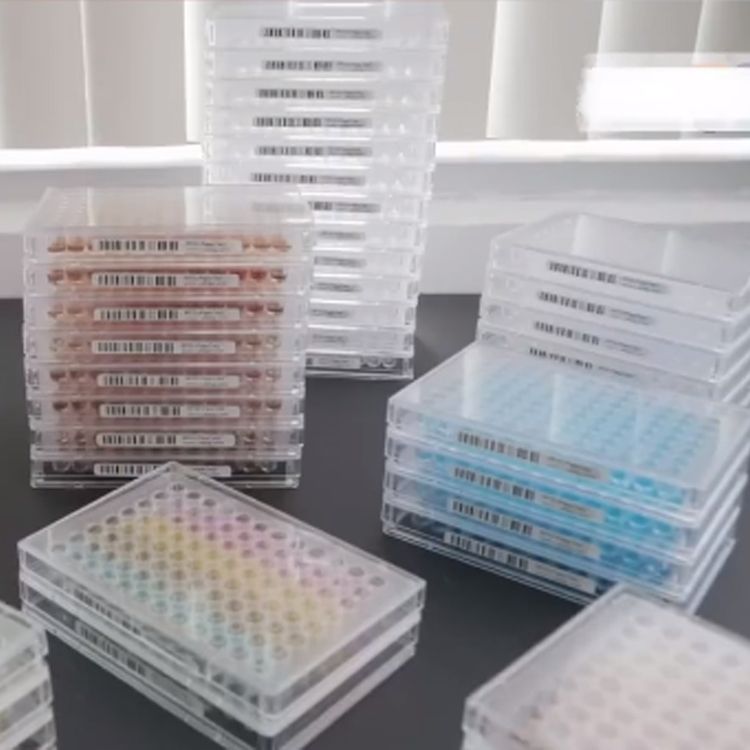
Data source: BradyLAB BRD laboratory cryogenic labeling product specifications · The applicable temperature range is a typical laboratory test value; please verify according to the specific application scenario in actual use. General-purpose laboratory labels are a broad category, including reagent bottle labeling, glassware labels, equipment ID labels, shelf location labels, sample tracking labels, etc.

Data source: BradyLAB BRD laboratory cryogenic labeling product specifications · The applicable temperature range is a typical laboratory test value; please verify according to the specific application scenario. Biobank managers share a common experience: when cryovials taken out of the LN₂ tank, the labels are either cracked or have peeled off entirely and are floating in the liquid nitrogen.
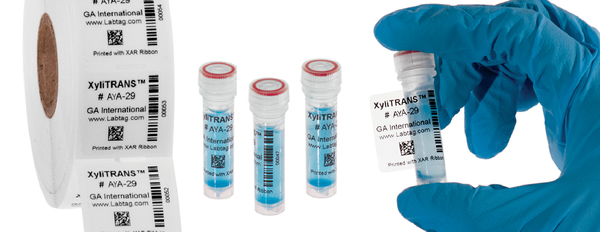
Data source: BradyLAB BRD laboratory cryogenic labeling product specifications · The applicable temperature range is a typical laboratory test value; please verify according to the specific application scenario in actual use. The core difference between microplate labels and cryovial labels lies in the adhesive area and surface material. Microplates (96-well/384-well/1536-well) are typically injection-molded from polystyrene (PS) or polypropylene (PP); labels are mostly applied to the side area of the plate, where the adhesive surface is a flat narrow strip.
Data source: BradyLAB BRD laboratory cryogenic labeling product specifications. The applicable temperature range is a typical laboratory test value; please verify according to the specific application scenario in actual use. Microcentrifuge tube labels and cryovial labels are essentially the same type of cryogenic label product; the difference lies in container specifications and usage scenarios. Common microcentrifuge tube specifications range from 0.5 mL microcentrifuge tubes to 50 mL large-capacity conical-bottom tubes (Falcon tubes), with tube diameters ranging from approximately 8 mm to 30 mm.

Data source: BradyLAB BRD laboratory cryogenic labeling product specifications · The applicable temperature range is a typical laboratory test value; please verify according to the specific application scenario. A microscope slide, from sampling, fixation, dehydration, wax immersion, embedding, and sectioning all the way to staining and mounting, undergoes a reagent environment far harsher than most people imagine.
Data source: BradyLAB BRD laboratory cryogenic labeling product specifications · The applicable temperature range is a typical laboratory test value; please verify according to the specific application scenario. The HE staining workflow for routine paraffin sections is a major test of chemical resistance for labels. Taking manual staining as an example: the sections first enter xylene I and xylene II for dewaxing for 5–15 minutes each,
In the daily operations of biobanks and laboratories, -80 °C ULT freezers are responsible for the long-term preservation of large numbers of valuable biological samples. In practice, however, many laboratory technicians encounter a common pain point: labels on cryovials develop edge lifting or peeling, or their barcodes become blurred and unscannable after a period of storage in -80 °C freezers.
Data source: BradyLAB BRD laboratory cryogenic labeling product specifications · The applicable temperature range is a typical laboratory test value; please verify according to the specific application scenario in actual use. Every tissue specimen routinely processed in the pathology department involves more than ten steps, from grossing, fixation, dehydration, clearing, wax infiltration, and embedding to sectioning and staining.
Data source: BradyLAB BRD laboratory cryogenic labeling product specifications · The applicable temperature range is a typical laboratory test value; please verify according to the specific application scenario in actual use. In the daily operation of a biobank, a small cryovial may carry clinical trial specimens worth years of work, rare cell lines, or gene-edited cell lines.
In biobanks, clinical laboratories, and medical device manufacturing, barcodes on cryogenic labels play a critical role in specimen tracking and identification. A barcode that scans perfectly at room temperature may fail to scan, be misread, or drop in grade after LN₂ immersion or storage in a -80 °C freezer.
 In biobanks, clinical laboratories, and research labs, cryovial labels are the only physical carrier of specimen identification.