
Solutions
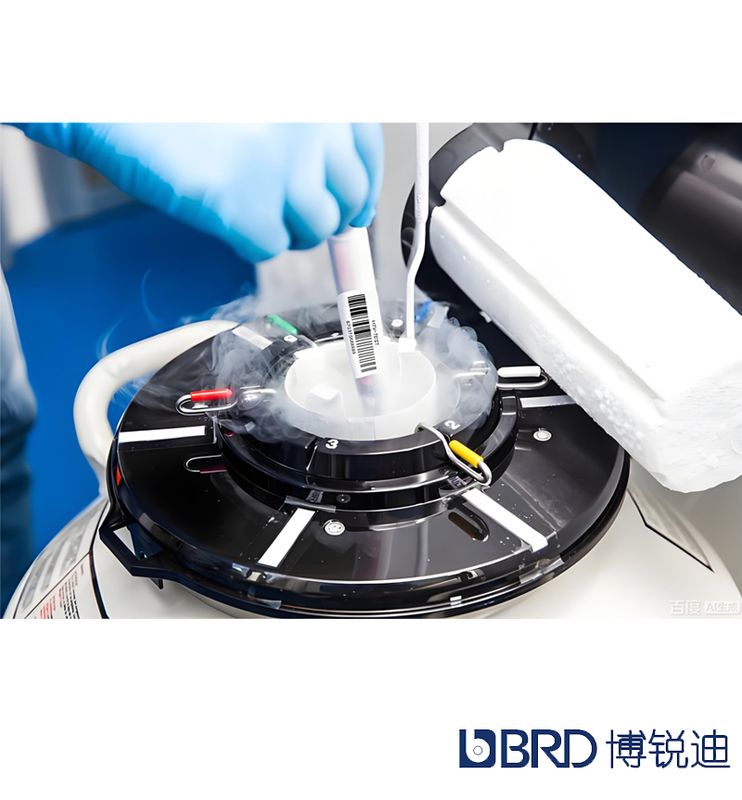
Data source: BradyLAB BRD laboratory cryogenic labeling product specifications · The applicable temperature range is a typical laboratory test value; please verify according to the specific application scenario in actual use. In biopharmaceutical laboratories, microcentrifuge tube labels seem to be the most inconspicuous consumable—take a tube, apply a label, write a few lines, all in under ten seconds.
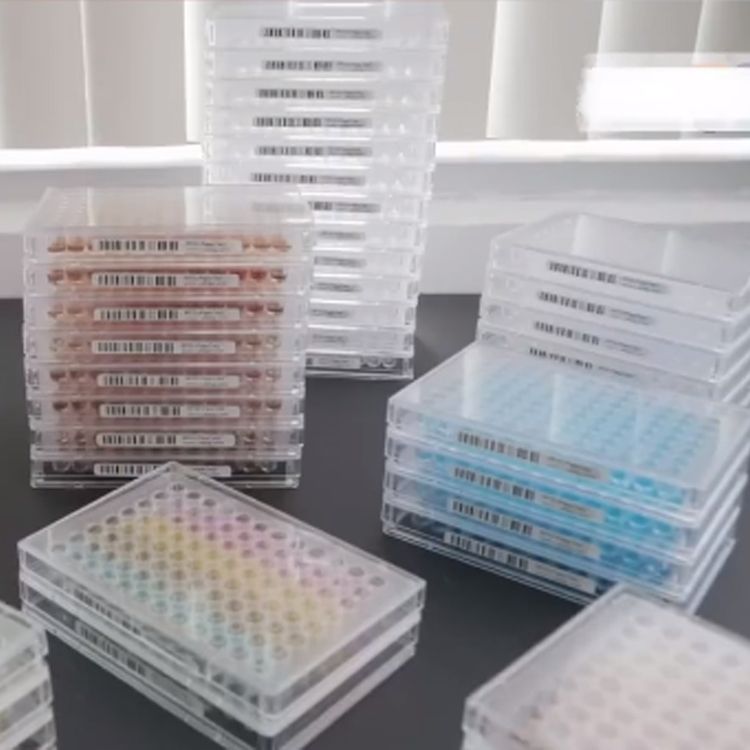
Data source: BradyLAB BRD laboratory cryogenic labeling product specifications. The temperature range is a typical laboratory test value; please verify according to the specific application scenario. Labeling failures in pathology laboratories follow a pattern: label detachment or illegible writing is often not a material issue, but a lapse in the labeling operation process.

Data source: BradyLAB BRD laboratory cryogenic labeling product specifications · The applicable temperature range is a typical laboratory test value; please verify according to the specific application scenario in actual use. In the daily workflow of a pathology department, a tissue specimen goes through multiple steps from grossing to report issuance, including fixation, dehydration, clearing, wax infiltration, embedding, sectioning, staining, and coverslipping.
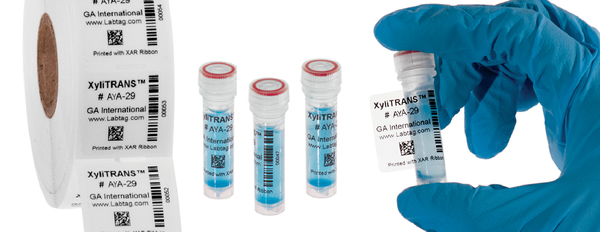
Data source: BradyLAB BRD laboratory cryogenic labeling product specifications · The applicable temperature range is a typical laboratory test value; please verify according to the specific application scenario in actual use. The core step of PCR experiments is thermal cycling—from 95 °C denaturation and 55 °C annealing to 72 °C extension, with temperatures repeatedly cycling over approximately 40 cycles.
Data source: BradyLAB BRD laboratory cryogenic labeling product specifications · The applicable temperature range is a typical laboratory test value; please verify according to the specific application scenario in actual use. Many laboratories focus entirely on the label when selecting labels, but overlook the "base" the label is applied to—the cryovial itself.

Data source: BradyLAB BRD laboratory cryogenic labeling product specifications · The applicable temperature range is a typical laboratory test value; please verify according to the specific application scenario in actual use. In laboratory scenarios such as biopharmaceuticals, chemical testing, and pathology diagnostics, labels are the core carrier for sample traceability. A qualified laboratory label must remain clearly legible, firmly adhered, and information-complete throughout the entire storage cycle.
Data source: BradyLAB BRD laboratory cryogenic labeling product specifications · The applicable temperature range is a typical laboratory test value; please verify according to the specific application scenario. After a cryovial is removed from the freezer or packaging, the tube wall surface may carry grease, dust, or an invisible film of condensation. These microscopic contaminants prevent direct contact between the adhesive and the tube wall, reducing initial adhesion by more than 30%.
Data source: BradyLAB BRD laboratory cryogenic labeling product specifications · The applicable temperature range is a typical laboratory test value; please verify according to the specific application scenario. Microplate labels lifting at the edges after storage in -80 °C freezers or LN₂ environments for a period of time is a frequently reported issue in laboratories.
Data source: BradyLAB BRD laboratory cryogenic labeling product specifications · The applicable temperature range is a typical laboratory test value; please verify according to the specific application scenario in actual use. A biopharmaceutical laboratory handles thousands of microcentrifuge tubes every day—from 0.5 mL microtubes to 50 mL conical-bottom tubes—and the specimen value carried by each tube often runs into tens of thousands of yuan.
Data source: BradyLAB BRD laboratory cryogenic labeling product specifications · The applicable temperature range is a typical laboratory test value; please verify according to the specific application scenario. The pathology department processes hundreds of slides every day, from tissue sampling to H&E staining to archiving; microscope slide labels are exposed to xylene, graded alcohol, and hematoxylin-eosin staining solution throughout the entire process.
Data source: BradyLAB BRD laboratory cryogenic labeling product specifications · The applicable temperature range is a typical laboratory test value; please verify according to the specific application scenario in actual use. In the daily work of the pathology department, labels appear to be the most inconspicuous consumable. However, turning to Appendix A.1.3 of CNAS-GL048:2021 "Guidelines for Accreditation in the Field of Medical Laboratory Histopathology Examination," one finds that "correct labeling" is listed as an independent scoring item in the HE pathology slide quality assessment, with a score of 10 points.
Data source: BradyLAB BRD laboratory cryogenic labeling product specifications · The applicable temperature range is a typical laboratory test value; please verify according to the specific application scenario in actual use. In the PCR workflow, the accuracy of specimen identification is directly related to the traceability of results. A single 96-well or 384-well PCR plate may carry dozens of independent reaction systems. If a label lifts, falls off, or becomes blurred by condensation during thermal cycling, the entire plate of samples faces the risk of being untraceable.