
1. Why Tissue Embedding Cassette Labels Require Special Attention
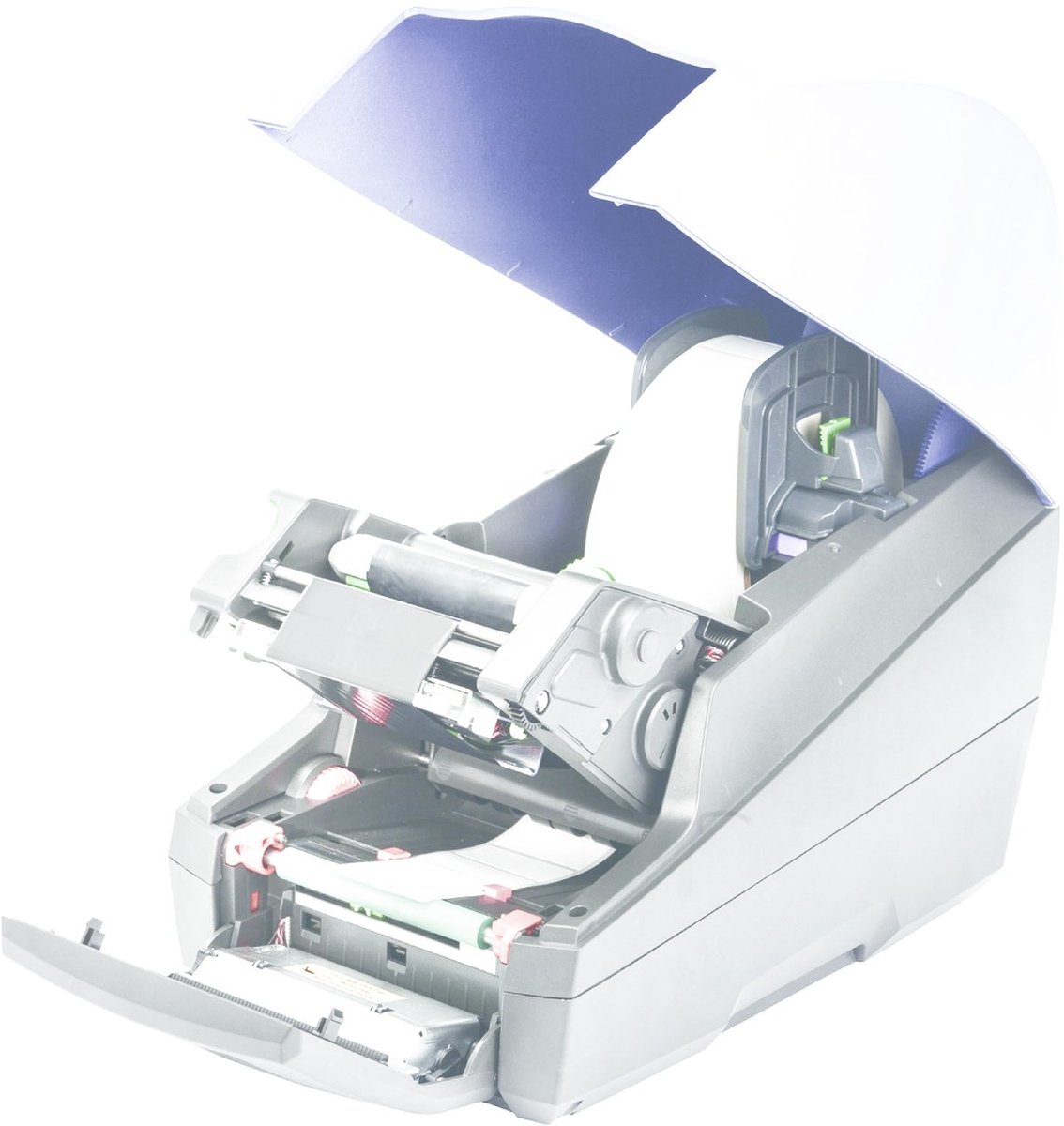In the pathology laboratory workflow, a tissue specimen goes through fixation, dehydration, clearing, wax infiltration, embedding, sectioning, staining and other steps from grossing to diagnostic report issuance. Throughout this process, the tissue embedding cassette, as the container holding the tissue, accompanies the specimen at every stage. The identification on the cassette—whether a handwritten number or a printed barcode—is an unbreakable information node in the entire pathology diagnostic chain.
The problem is that during tissue processing, the cassette is sequentially immersed in 10% neutral buffered formalin, graded alcohols (70%–100%), xylene, liquid paraffin (58–65 °C) and other chemical reagents. If the label cannot withstand the attack of these solvents, blurred or detached markings will directly lead to loss of specimen information—an unacceptable incident in clinical pathology diagnostics.
Therefore, selecting a tissue embedding cassette label is not a simple matter of "picking a sticker," but a systems engineering task involving materials science, chemical resistance and printing technology.
2. Cassette Substrate: Chemical Resistance of POM (Polyoxymethylene)
Before discussing labels, MK will first explain the cassette material itself. The mainstream disposable tissue embedding cassette substrate on the market is POM (polyoxymethylene), and some products also use acetal resin.
According to the technical specifications of Dakewe Medical Histoflo™ cassettes and the product parameters of KALTEK 0945, POM cassettes offer the following resistance characteristics:
- Chemical resistance: Resistant to formalin, alcohol, xylene, toluene and other common histology solvents, with no swelling, deformation or component leaching
- Temperature range: -40 °C to +110 °C (short-term up to 150 °C), covering the full range from cryosectioning low temperatures to paraffin embedding high temperatures
- Precision molding: Uniformly distributed pores (pore size 0.91 × 3.67 mm and other specifications) ensure full reagent penetration and rapid drainage
- Multiple colors: Available in more than 11 colors including white, pink, blue, green, yellow and orange, facilitating group management by tissue type or priority
The BRD label solution was designed with full consideration of adhesion compatibility with POM cassette surfaces. The label adhesive is formulated specifically for the low surface energy of POM, ensuring no edge lifting or detachment under both extreme conditions of high-temperature wax infiltration and low-temperature freezing.
3. Comparison of Three Technical Approaches for Cassette Identification
Currently, pathology laboratories use three main methods for identifying tissue embedding cassettes:
| Identification method | Principle | Advantages | Disadvantages |
|---|---|---|---|
| Pencil handwriting | 2B pencil written on the 45° sloped surface of the cassette | Zero cost, no equipment required | Easily blurred writing, no encoding capability, low efficiency, not solvent-resistant |
| Pre-made label adhesion | Chemical-resistant label paper + barcode printing, then applied | Low cost, flexible, compatible with existing printers | If label material is inadequate, easily detaches in xylene |
| Cassette printer | Laser/inkjet printing directly on POM surface | Permanent identification, high throughput, barcode support | High equipment investment (CNY 100,000–300,000), requires dedicated consumables |
In global pathology laboratory practice, the latter two methods dominate. Leica Biosystems' IP C inkjet cassette printer uses dedicated chemical-resistant ink to print directly on the cassette surface, resistant to xylene and alcohol immersion. Dakewe's SurePrint C100/C7/C10 series cassette printers use non-contact UV laser printing technology with resolution up to 2500 dpi, printing speed as fast as 2.5 seconds per cassette, and 6-channel loading capacity of 450–600 cassettes.
The BRD label solution is compatible with both operating modes: for laboratories using BRD thermal-transfer printers, chemical-resistant label rolls can be batch-printed with barcodes and applied to the 45° writing surface of cassettes; for departments already equipped with Leica or Dakewe cassette printers, BRD labels can also serve as a backup or supplementary identification solution.
4. Core Performance Metrics of Chemical-Resistant Labels
According to the technical data of LabTAG (GA International) and Weber Scientific XyliTAG chemical-resistant labels, a qualified pathology tissue embedding cassette label should meet the following performance standards:
- Chemical resistance range: After direct immersion in xylene, toluene, alcohol (70%–100%), formalin, DMSO, acetone, hexane and methyl ethyl ketone (MEK), the printed content should show no fading, diffusion or detachment
- Temperature resistance: Labels should maintain adhesion and print integrity from -55 °C to +70 °C. Paraffin embedding temperature is 58–65 °C, and labels should not curl or soften at this temperature
- Stain resistance: Labels should not be stained by dye solutions during hematoxylin-eosin (HE) staining and should maintain a white background to ensure barcode contrast
- Adhesion durability: After application, labels should maintain adhesion during long-term archival storage (room temperature, archived wax block storage) without detachment
- Barcode readability: After the complete tissue processing workflow, 1D and 2D barcodes should maintain ISO/IEC 15415 Grade A readability
BRD chemical-resistant labels meet the same level as international mainstream brands (LabTAG XyliTAG series, Weber Scientific XyliTAG series) across all the above metrics. The label face stock uses solvent-resistant polyester (PET) substrate, and the adhesive uses high-performance acrylate pressure-sensitive adhesive, developed specifically for chemical exposure scenarios in the histopathology workflow.
5. BRD Pathology Label Solution: Full Workflow Coverage from Grossing to Archiving
BRD provides label consumables and printing solutions covering the full workflow for pathology tissue identification needs:
- Cassette labels: Fits the 45° writing surface of standard-size cassettes, resistant to xylene/alcohol/formalin immersion, supports 1D and 2D barcode printing. Label dimensions customizable
- Slide labels: Chemical-resistant labels for the end of microscope slides, remain clearly readable after HE staining and coverslipping, compatible with automated slide scanning systems
- Paraffin block labels: Can be applied to the surface of freshly cooled wax blocks, maintaining stable adhesion from -55 °C to +70 °C
- Specimen bottle/reagent bottle labels: Solvent- and chemical-resistant, available with permanent and removable adhesive options
- Thermal-transfer printing solution: BRD thermal-transfer label printers (600 dpi resolution) with xylene-resistant specialty resin ribbons, output labels can directly withstand the full tissue processing workflow
The advantage of this solution is that laboratories do not need to source labels and printing equipment separately—BRD provides a one-stop package of labels + ribbons + printers + software, ensuring compatibility between labels and printing systems and avoiding print quality degradation or label failure due to consumable incompatibility.
Recommended Products
For the label materials and application scenarios covered in this article, the following BRD products are available for selection reference (click to view specifications and request a quote):
- MACH4S laboratory equipment LN₂ cryovial microscope slide biological sample bank cryogenic LN₂ label printer (Request a Quote)
- BRADY i7500 laboratory research institution medical biological sample bank cryogenic label printer (Request a Quote)
- BRADY i7100 laboratory research institution medical biological sample bank cryogenic label printer (Request a Quote)
- BBP12 BRADY laboratory research institution medical biological sample bank cryogenic LN₂ label printer (Request a Quote)
6. FAQ: Common Questions on Pathology Label Selection
Q1: Which is better—a cassette printer or adhesive labels?
A: Both approaches have advantages. Cassette printers (such as Leica IP C, Dakewe C100) achieve permanent identification with high upfront investment (equipment CNY 100,000–300,000), suitable for large pathology laboratories processing 300+ specimens per day. The adhesive label approach requires low investment (only a label printer + consumables), is highly flexible, and suits small-to-medium pathology laboratories, animal laboratories and research laboratories. BRD can provide configuration recommendations based on laboratory scale and budget.
Q2: Why is pencil marking unreliable?
A: 2B pencil markings shed graphite particles during xylene dewaxing and alcohol dehydration steps, causing blurred writing. In addition, manual writing cannot achieve barcode-based management and cannot interface with LIS (Laboratory Information System) for specimen tracking and data flow. Both CNAS and CAP laboratory accreditation standards require machine-readable coding for pathology specimen identification.
Q3: Can labels withstand the high temperatures of paraffin embedding?
A: Yes. BRD chemical-resistant labels have an operating temperature range of -80 °C to +80 °C. Paraffin embedding temperature is 58–65 °C, and labels will not deform, curl or lose adhesion within this temperature range. Adhesion performance also remains stable when labels enter the cold plate (approximately -20 °C) for rapid cooling after wax infiltration.
Q4: What is the difference between BRD labels and imported brands (LabTAG/Weber)?
A: Technical performance is at the same level—equally resistant to xylene, alcohol, formalin and other common pathology chemicals, with barcode readability meeting ISO/IEC 15415 Grade A. The difference lies in delivery lead time and customization flexibility: as a domestic solution, BRD can rapidly customize label dimensions and print templates according to actual laboratory requirements, with delivery typically in 3–5 business days, while imported brands typically have a standard lead time of 2–4 weeks.
7. Selection Checklist
MK recommends that pathology laboratories verify the following checklist item by item when purchasing tissue embedding cassette labels:
- Whether the label has passed xylene immersion testing (at least 48 hours)
- Whether the label deforms at paraffin embedding temperature (58–65 °C)
- Actual adhesion performance between the adhesive and POM cassette surface (request sample strips for testing)
- Whether the printed content is compatible with the department's existing printers (thermal-transfer/laser)
- Whether the barcode readability rate after the full workflow (fixation → dehydration → clearing → wax infiltration → embedding → sectioning → staining) is ≥99%
- Whether the label supplier provides compliance documents (ISO 13485/ISO 10993 biocompatibility test reports)
- Whether the minimum order quantity and lead time for custom labels meet the department's needs
BRD offers free sample testing services for pathology laboratory users: customers provide the cassettes actually used and the department's common chemicals, and the BRD technical team will complete label performance verification under simulated real-workflow conditions, providing test reports and selection recommendations.