
I. Conclusion First: The Root Cause of Culture Vessel Label Failure Is "High Humidity + Low Surface Energy," Not Insufficient Temperature
The primary cause of cell culture flasks, Petri dishes, and microplate labels peeling, blistering, and becoming unscannable is never that 37 °C is too high—37 °C is far below the heat resistance limit of any industrial-grade acrylate adhesive. What actually causes failure is a set of compounding conditions: the relative humidity inside the incubator is maintained above 95%RH long-term, and the interface is continuously occupied by a water film; the outer surface of disposable polystyrene (PS) vessels, when untreated, has a surface energy of only about 36–38 mN/m, making it difficult for the adhesive to fully spread and wet out; compounded by temperature-difference condensation from daily door openings, chemical contact with trypsin/PBS/75% ethanol, and periodic disinfection via 90 °C moist heat or hydrogen peroxide vaporization, the interface is repeatedly subjected to shear, hydrolysis, and oxidation within a single passage cycle of 7–14 days.
The selection conclusion can be compressed into one sentence: low-surface-energy vessels must be paired with high-initial-tack, high-holding-tack modified acrylate adhesive + water-resistant polyester (PET) face stock, and the entire label material must pass ISO 10993-5:2009 in vitro cytotoxicity ≤ Grade 2 validation. The following sections elaborate in eight parts: "environmental loads → substrate and surface energy → biocompatibility red lines → face stock/adhesive matching matrix → labeling position and microscopic field of view → disinfection cycle resistance → barcode acceptance → integration with the cryopreservation traceability chain." Applicable to cell culture rooms, IVF embryo laboratories, vaccine and antibody pilot plants, clinical laboratories operating under ISO 15189:2022, and biobanks operating under ISO 20387:2018. The BradyLAB BRD laboratory label system, in cell culture applications, uses water-resistant polyester face stock and low-leaching acrylate adhesive, covering routine labeling of T25/T75/T175 flasks and 35–150 mm Petri dishes.
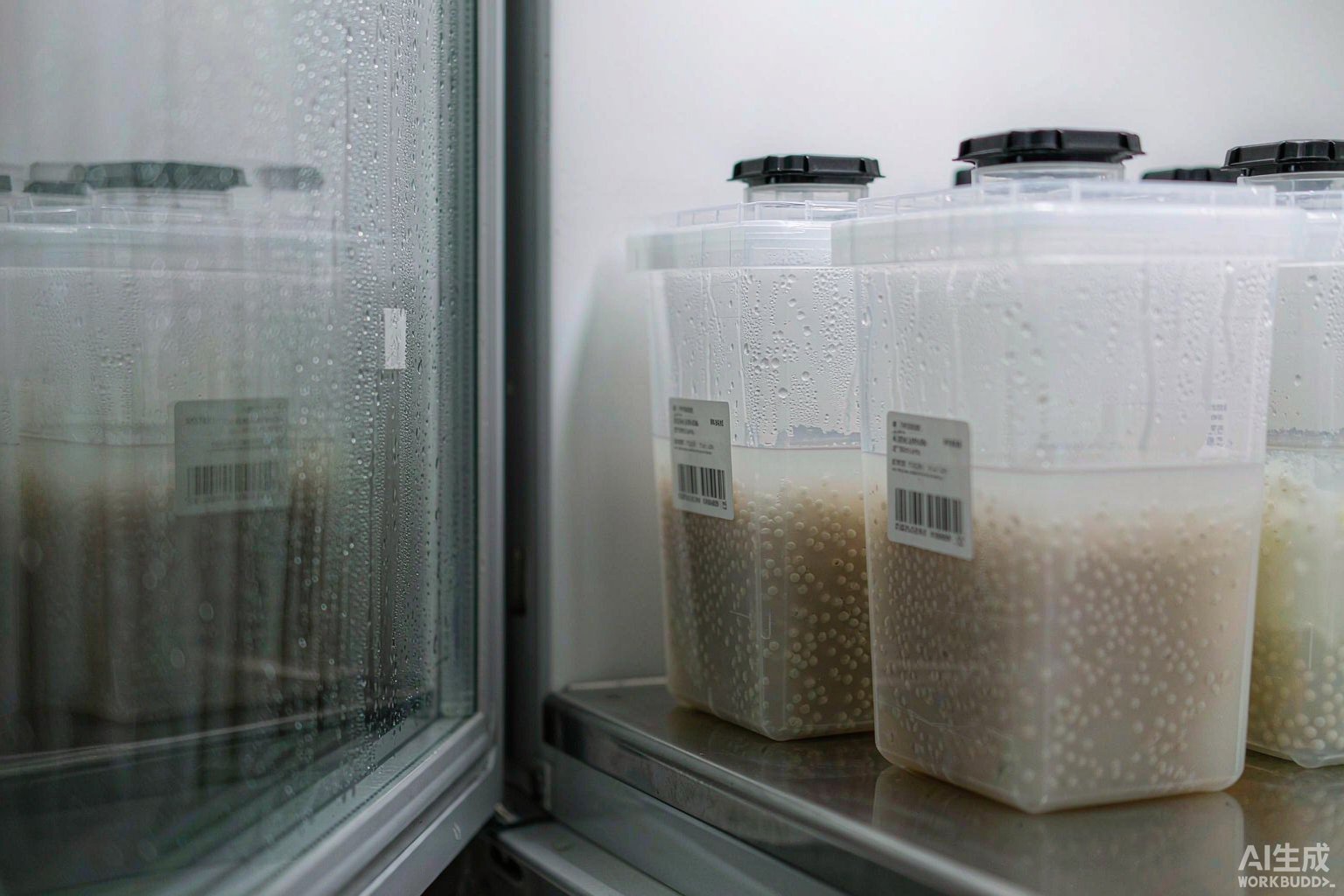
II. The Four Loads of the Cell Culture Environment: 37 °C, 95%RH, 5%CO₂, and Condensation
To select the right label, first break down the operating conditions. A typical mammalian cell incubator is stably set at 37.0 ± 0.5 °C, relative humidity 95% ± 5%RH, CO₂ concentration 5.0% ± 0.2%. These three parameters correspond to three different aging mechanisms for labels:
(1) Constant 37 °C. Temperature itself poses no threat to acrylate adhesive (typical heat resistance limit 80–120 °C), but it amplifies all chemical reaction rates: for every 10 °C increase, the hydrolysis and oxidation rates of the adhesive approximately double. That is, 14 days at 37 °C roughly equals 1.5–2 months of aging at room temperature.
(2) 95%RH saturated humidity. This is the most underestimated load. The bond between adhesive and adherend depends on intermolecular wetting, and water molecules preferentially occupy polar sites on the PS surface, forming a monomolecular to several-micron-thick water film that "pushes" the adhesive away. In practice: the label adheres well when pressed at application and does not fall off within 24 h, but begins to lift from the edges on days 3–5 and completely detaches by day 7. The detached surface is typically clean, with the adhesive layer remaining intact on the back of the label—this is typical interfacial water displacement failure, not cohesive failure of the adhesive layer, and can serve as a direct on-site diagnostic criterion.
(3) Weak carbonic acid environment formed by 5% CO₂ and moisture. CO₂ dissolves in the interfacial water film to form carbonic acid, lowering the local pH to about 5.6. For ester-based adhesives, the weakly acidic environment slowly catalyzes ester bond hydrolysis, manifesting long-term as tacky adhesive and edge oozing. This is why, in incubator applications, acrylic systems free of readily hydrolyzable ester bonds or crosslink-modified should be preferred.
(4) Temperature-difference condensation. Each door opening for 10–20 s can cause the internal temperature to drop 2–4 °C and humidity to drop 15–25%RH; recovery occurs within 3–5 min after closing, during which condensation droplets of 10–100 µm diameter form on the vessel exterior. A flask opened 8–12 times per day undergoes 80–150 "wet–dry" cycles per passage cycle. Capillary penetration of condensation droplets at the label edges is the physical starting point of lifting.
III. Culture Vessel Materials and Surface Energy: Differences Among PS, TC Treatment, PET, and Glass
Many assume "plastic flasks are hard to label, glass flasks are easy," but in cell culture this is half backwards. The key is surface energy, and surface energy depends on whether surface treatment has been applied.
| Vessel Material | Typical Surface Energy (mN/m) | Labeling Wettability | Recommended Adhesive Type | Main Risk |
|---|---|---|---|---|
| Untreated polystyrene PS (flask outer wall) | 36–38 | Poor, large contact angle | High initial tack modified acrylate | Water film displacement causing edge lifting |
| TC-treated (plasma/corona) PS inner wall | 52–56 | Good | General-purpose acrylate | Outer wall typically lacks treatment layer |
| PET / PETG culture flasks | 43–47 | Medium | Modified acrylate or rubber-based | Adhesive tends to become tacky under high temperature and humidity |
| Borosilicate glass (reusable Petri dishes) | 60–70 | Good | Removable/wash-resistant adhesive | Requires relabeling after sterilization |
| PP (microcentrifuge tubes, cryovials) | 29–31 | Very poor | Specialty cryogenic acrylic | Requires primer or corona treatment |
Here is a common misconception: the "TC treatment" (Tissue Culture Treated) claimed for cell culture flasks applies only to the inner cell-attachment surface; the outer wall remains untreated PS. Therefore, one cannot infer that the outer wall is easy to label just because "this flask is TC-grade." The test method is simple: draw a line on the outer wall with a dyne pen; if the No. 38 dyne solution contracts into beads within 2 s, the surface energy is confirmed below 38 mN/m, and high-initial-tack adhesive must be selected with extended post-application curing time.
Another constraint is labeling area. The labelable area on the side wall of a T25 flask is about 20 mm × 40 mm, T75 about 25 mm × 50 mm, and T175 slightly wider but limited by the flask curvature. After deducting the barcode quiet zone (Code 128 requires ≥ 10× module width on each side) and human-readable fields, the actual usable height is often less than 25 mm. This means labels must layer information: barcode + short code on the primary label, while cell line name, passage number, and operator are written to LIMS and bound to the code, rather than crammed into the label layout.
IV. Biocompatibility Red Lines: How ISO 10993-1:2018 and ISO 10993-5:2009 Constrain Labels
This is the core threshold distinguishing culture vessel labels from ordinary laboratory labels. The label is applied to the outer wall of the culture flask and does not directly contact the culture medium, but under 37 °C and 95%RH, low-molecular-weight monomers, tackifying resins, and plasticizers in the adhesive may migrate through the PS wall, or enter the system with condensation water and aerosols during cap-opening operations. According to the contact categorization in GB/T 16886.1-2022 (identical adoption of ISO 10993-1:2018), culture vessel labels fall under surface-contacting devices (outside the external communicating category for contact with intact surfaces), with contact duration counted as ≤ 24 h to 30 d based on actual use.
This gives rise to three documents and data sets that must be requested from suppliers:
| Validation Item | Standard Reference | Acceptance Criterion | Notes |
|---|---|---|---|
| In vitro cytotoxicity | ISO 10993-5:2009 / GB/T 16886.5-2017 | Cytotoxicity reaction grade ≤ 2 | MTT or agar diffusion method; Grade 0 = non-toxic |
| Biological evaluation framework | ISO 10993-1:2018 / GB/T 16886.1-2022 | Completed contact categorization and evaluation matrix | Specify contact duration and contact nature |
| Sensitization and irritation | ISO 10993-10 | No sensitization or irritation reactions | Mandatory for GMP cell therapy products |
| Quality management system | ISO 13485:2016 | Supplier holds valid certificate | Ensures batch-to-batch consistency and traceability |
| Barcode print quality | ISO/IEC 15416 | Symbol grade ≥ 1.5 (Grade C) | Measure once before and after disinfection |
It must be emphasized: "medical-grade" is not a standard and cannot replace test reports. In GMP settings for cell therapy, IVF, and vaccine production, QA should include labels in the supplier audit checklist and require original ISO 10993-5:2009 test reports for the same batch, not generic product brochures. If labels also accompany specimens into the clinical testing chain, the identification records also fall under the technical record management scope of ISO 15189:2022.
V. Face Stock and Adhesive Matching: Three Non-Negotiable Criteria
Converging the preceding loads and constraints into executable criteria yields only three:
Criterion 1: Choose water-resistant PET face stock, not paper-based or PP synthetic paper. Paper-based face stock absorbs moisture and wrinkles within 24 h at 95%RH, reducing barcode contrast; PP synthetic paper, though waterproof, has low stiffness and tends to curl. Recommend 25–50 µm water-resistant polyester face stock, balancing thickness (not affecting flask stacking and microscope working distance) with moisture resistance. Total label thickness should be controlled at ≤ 50 µm—high-magnification objective working distances are often less than 1 mm, and overly thick labels prevent the flask bottom from making contact on an inverted microscope stage.
Criterion 2: Evaluate adhesive by measured peel strength and holding tack, not by the word "strong." Perform 180° peel strength testing per GB/T 2792-2014; on PS plates, both the 20 min and 24 h time points should be ≥ 10 N/25mm. Perform holding tack testing per GB/T 4851-2014; displacement at 40 °C with 1 kg weight over 24 h should be ≤ 1 mm. These two data points can directly eliminate the vast majority of general-purpose office labels.
Criterion 3: Use thermal transfer + resin ribbon printing, not direct thermal. Direct thermal paper slowly darkens at 37 °C, with barcode contrast potentially dropping by more than 30% within 72 h; the thermal layer is also not resistant to 75% ethanol wiping. Culture vessel labels should uniformly use thermal transfer printing with resin-based ribbon, with barcode symbol grade measured per ISO/IEC 15416 at ≥ 1.5 (Grade C) and print contrast PCS ≥ 70%.
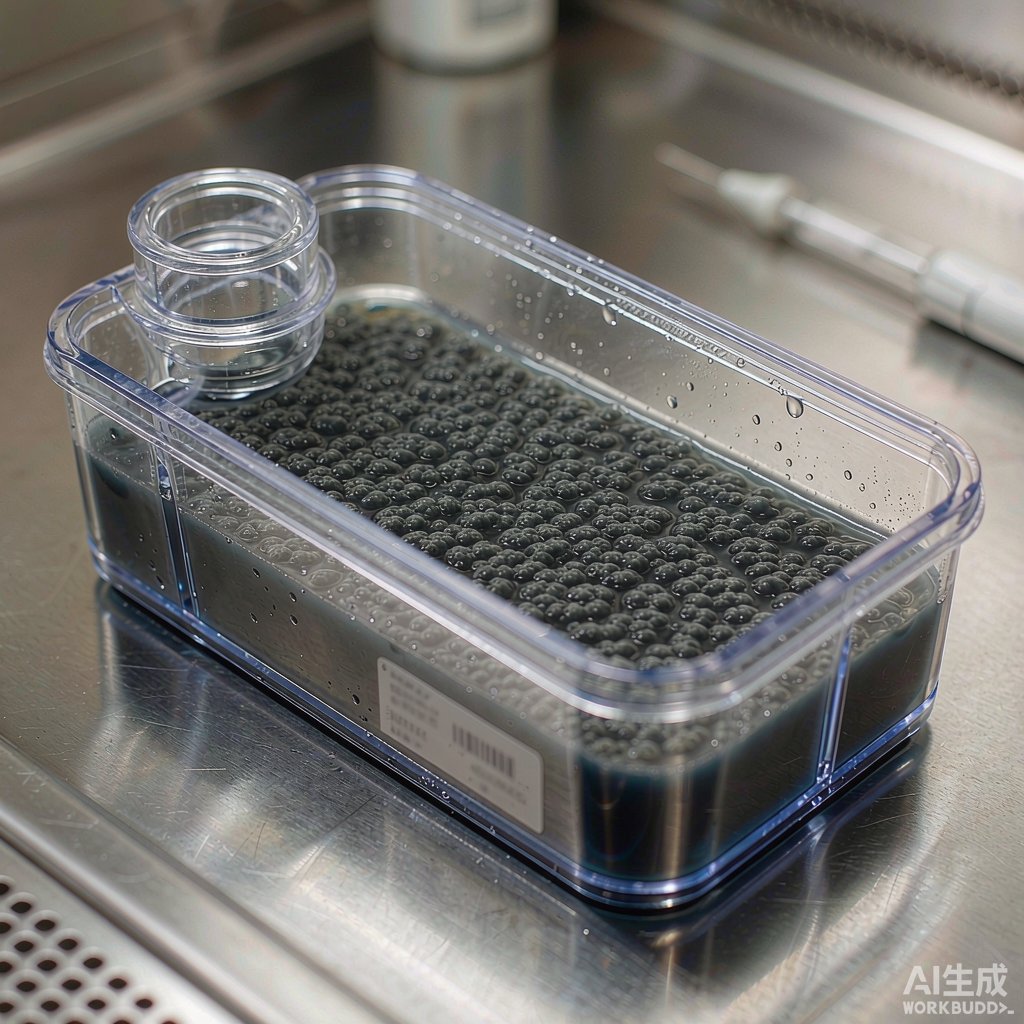
VI. Labeling Position: No Obstruction of Microscopic Field, Scannable, Resistant to Trypsin and PBS Washing
Labeling position is not an aesthetic issue—it is a usability issue. Three guidelines:
(1) Apply to the lower edge of the side wall, not the bottom or cap. Inverted microscopes observe from the flask bottom; any label on the bottom surface obstructs the optical path. The cap is frequently twisted during passaging, and labels will be sheared off. The correct position is the lower 1/3 of the side wall, with the long edge parallel to the flask axis and the upper edge ≥ 5 mm from the flask shoulder.
(2) Leave a microscopic inspection channel. The labelable band on the lower side wall of a T75 flask is about 25 mm wide; a label height of 12–15 mm accommodates a Code 128 barcode and 8–10 digit code, avoiding full wrapping. If the workflow requires marker pen writing on the flask body, reserve ≥ 15 mm of blank space to the right of the label.
(3) Chemical contact resistance. During passaging, 0.25% trypsin-EDTA digestion at 37 °C for 3–5 min, PBS (pH 7.2–7.4) washing 2–3 times, and 75% ethanol wiping of bench and flask exterior. The face stock and ribbon combination must maintain barcode readability after 20 wipes with the above reagents—this is a 5-minute bench test recommended at the selection stage, more convincing than any specification sheet.
VII. The Challenge of Incubator Disinfection Cycles on Labels
This item is often overlooked but is the hidden killer behind "labels falling off after one week." Automatic sterilization programs offered by mainstream CO₂ incubators fall into three categories: 90 °C moist heat, 120–180 °C dry heat, and hydrogen peroxide vaporization, with single cycles ranging from 2–12 h. Different mechanisms damage labels via different pathways:
| Disinfection Method | Typical Parameters | Damage Pathway to Labels | Compatibility Recommendation |
|---|---|---|---|
| 90 °C moist heat sterilization | 90 °C held for 18 min or longer | Adhesive softening, edge oozing, face stock shrinkage | Select PET face stock with temperature resistance ≥ 100 °C + crosslinked acrylic adhesive |
| 120–180 °C dry heat | 180 °C held for 60 min | Face stock yellowing and embrittlement, thermal information destroyed | Labels must be removed before disinfection and reapplied after |
| Hydrogen peroxide vaporization | 3%–6% H₂O₂, exposure 30–60 min | Strong oxidation fades ribbon print | Use oxidation-resistant resin ribbon; re-verify barcodes after disinfection |
| UV irradiation | 254 nm, 30 min/session | Face stock aging and chalking, barcode contrast reduction | Select UV-resistant face stock; spot-check after cumulative exposure |
| 75% ethanol wiping | 1–2 times per shift | Print dissolution (especially direct thermal) | Thermal transfer + resin ribbon is the only reliable solution |
There is one hard operational requirement: whenever dry heat or hydrogen peroxide disinfection is performed, conduct a barcode re-verification before and after; if the symbol grade drops by more than 1 grade, replace all labels. This discipline is supported by the technical records clause of ISO 15189:2022—unreadable identification equates to loss of specimen identity.
VIII. Barcode Readability and ISO/IEC 15416 Acceptance
The ultimate purpose of culture vessel labels is "scannable." The acceptance method is fixed at three steps: sample → measure → grade. Sampling at two time points: 24 h after labeling (simulating completed interface curing) and after one complete disinfection cycle; measure using a barcode verifier per ISO/IEC 15416 to output symbol grade; acceptance criteria: symbol grade ≥ 1.5 (Grade C), print contrast PCS ≥ 70%, and 100% decode rate over ten scans. If 2D codes are also used to carry specimen codes, apply the same grading to Data Matrix per ISO/IEC 15415.
Two high-frequency failure points from field experience: first, labels applied to curved surfaces cause barcode bars and spaces to stretch; the solution is to limit label width to within 1/3 of the flask circumference. Second, incubator condensation forms a water film on the label surface, scattering the laser during scanning; the solution is to wipe the flask dry with a lint-free cloth before scanning, or switch to a red-light + diffuse-reflection imaging scanner.
IX. From Culture Flask to Cryovial: Integration with the ISO 20387:2018 Traceability Chain
Cells do not stay in culture flasks forever. A standard cryopreservation workflow: cells grown to log phase (80%–90% confluence) → digested and collected → resuspended in freezing medium (typically 10% DMSO + 90% serum or specialized serum-free freezing medium) → aliquoted into cryovials → controlled-rate freezing (−1 °C/min, or in a controlled-rate freezing container at −80 °C overnight) → transferred to −196 °C liquid phase or below −150 °C gas-phase LN₂ for long-term storage.
In this chain, culture flask labels and cryovial labels must share the same specimen master code; otherwise, the correspondence from "which flask of cells" to "which vial of seed" is broken. ISO 20387:2018 has explicit requirements for biobank identification and traceability: the identification method should ensure unique identification of specimens throughout their entire lifecycle, and identification information should withstand storage and processing conditions. At the operational level, this means three things: the culture flask outer label code and cryovial label code use the same master code, with passage number and operator written to LIMS as subsidiary fields; cryovial labels must withstand −196 °C and freeze–thaw cycles (routine validation: barcode readable after 50 freeze–thaw cycles); perform a final scan confirmation before transfer to LN₂, with the scan record automatically written to the specimen history.
For laboratories also engaged in GMP cell therapy product manufacturing, labels must also be incorporated into ISO 13485:2016 material management, ensuring label lot numbers are traceable to supplier batch and test report numbers.
X. Implementation Acceptance and Routine Inspection Checklist
Converging the entire article into a checklist that can be posted directly: ① At the selection stage, request ISO 10993-5:2009 cytotoxicity reports (≤ Grade 2) and same-batch test numbers; ② Face stock 25–50 µm water-resistant PET, adhesive 180° peel ≥ 10 N/25mm, holding tack 24 h displacement ≤ 1 mm; ③ Printing method thermal transfer + resin ribbon, direct thermal prohibited; ④ Labeling position at the lower 1/3 of the side wall, long edge parallel to flask axis, upper edge ≥ 5 mm from flask shoulder, label width not exceeding 1/3 of flask circumference; ⑤ Before labeling, confirm outer wall surface energy with a dyne pen; if below 38 mN/m, increase pressure and allow 24 h room-temperature curing; ⑥ Measure per ISO/IEC 15416 at 24 h after labeling and after disinfection, symbol grade ≥ 1.5; ⑦ Mandatory barcode re-verification before and after dry heat or hydrogen peroxide disinfection; replace labels upon grade drop; ⑧ Maintain code consistency between culture flasks and cryovials during cryopreservation; final scan before LN₂ transfer for record. This checklist shares a single coding rule between cell culture rooms and biobanks, simultaneously satisfying the traceability requirements of ISO 15189:2022 and ISO 20387:2018.
Recommended Products
For the label materials and application scenarios covered in this article, the following BradyLAB (BRD) products are available for selection reference (click to view specifications and request a quote):
- Lab162-629/40x20 Biobank Cryovial -196 °C LN₂ Nylon Cryogenic Label Biobank 18015583218 (¥999/roll)
- TRUF-329-6506-U8 Low-Temperature Solvent-Resistant Liquid-Resistant UHF RFID Petri Dish Microplate Label BRD BradyLAB (Price on request)
- Lab027-319/50x25MM Gloss White/PP Synthetic Paper Cryogenic Adhesive Biobank Cryovial Conical Tube Microcentrifuge Tube BRD BradyLAB (Price on request)
- Lab263-319/45x95mm Laboratory Cryovial Microscope Slide Biobank Label Cryogenic Adhesive BRD BradyLAB (Price on request)
FAQ
Q1: The cell culture flask label starts lifting after 3 days in the incubator—is the adhesive not heat-resistant?
A: No. 37 °C is far below the heat resistance limit of acrylate adhesive. The real cause is that at 95%RH, the interfacial water film displaces the contact between adhesive and PS surface—when the label detaches, the adhesive layer remains intact on the label backing and the flask wall is clean, which is exactly this mechanism. The solution is to select high-initial-tack modified acrylic adhesive, confirm surface energy with a dyne pen before application, and allow 24 h room-temperature curing after application before placing in the incubator.
Q2: The label is applied externally and does not contact the culture medium—why is an ISO 10993-5:2009 cytotoxicity report still required?
A: Because 37 °C and 95%RH accelerate the migration of small molecules from the adhesive, and condensation water and aerosols during cap opening may carry leachables into the system. According to the contact categorization in GB/T 16886.1-2022, culture vessel labels fall under the surface-contact, contact duration ≤ 30 d category, and cytotoxicity reaction grade should be ≤ 2. For cell therapy and IVF applications, this should be listed as a mandatory incoming inspection item.
Q3: Can direct thermal labels be used on culture flasks?
A: No. The thermal layer slowly darkens under continuous 37 °C exposure, with barcode contrast potentially dropping by more than 30% within 72 h; the thermal layer is also not resistant to 75% ethanol wiping—a single bench disinfection could erase the print. Thermal transfer + resin-based ribbon is mandatory.
Q4: After hydrogen peroxide vaporization disinfection of the incubator, barcodes cannot be scanned—how to prevent this?
A: Hydrogen peroxide is a strong oxidant that bleaches ribbon print. Three preventive measures: switch to oxidation-resistant resin ribbon; cover with a temperature-resistant label protective film before disinfection; establish a mandatory re-verification discipline of "measuring ISO/IEC 15416 symbol grade before and after disinfection," replacing all labels if the grade drops by more than 1 grade.
Q5: What size label can be applied to a T75 culture flask?
A: The labelable area on the side wall is about 25 mm × 50 mm, but due to curvature constraints, label width should not exceed 1/3 of the flask circumference (about 25–30 mm); a height of 12–15 mm accommodates a Code 128 barcode and 8–10 digit code. Total thickness should be ≤ 50 µm; otherwise, the inverted microscope high-magnification objective (working distance often < 1 mm) cannot make contact with the flask bottom.
Q6: Should culture flask labels and cryovial labels use the same coding system?
A: Yes, mandatory. ISO 20387:2018 requires unique identification of specimens throughout their entire lifecycle. In practice, use the same master code, with passage number, operator, and cryopreservation date written to LIMS as subsidiary fields; cryovial labels must additionally withstand −196 °C and maintain barcode readability after 50 freeze–thaw cycles. Perform a final scan before LN₂ transfer, with records automatically archived.