I. Why Laboratory Animal Ethics and Welfare Are Not a "Bonus" but an "Entry Threshold"
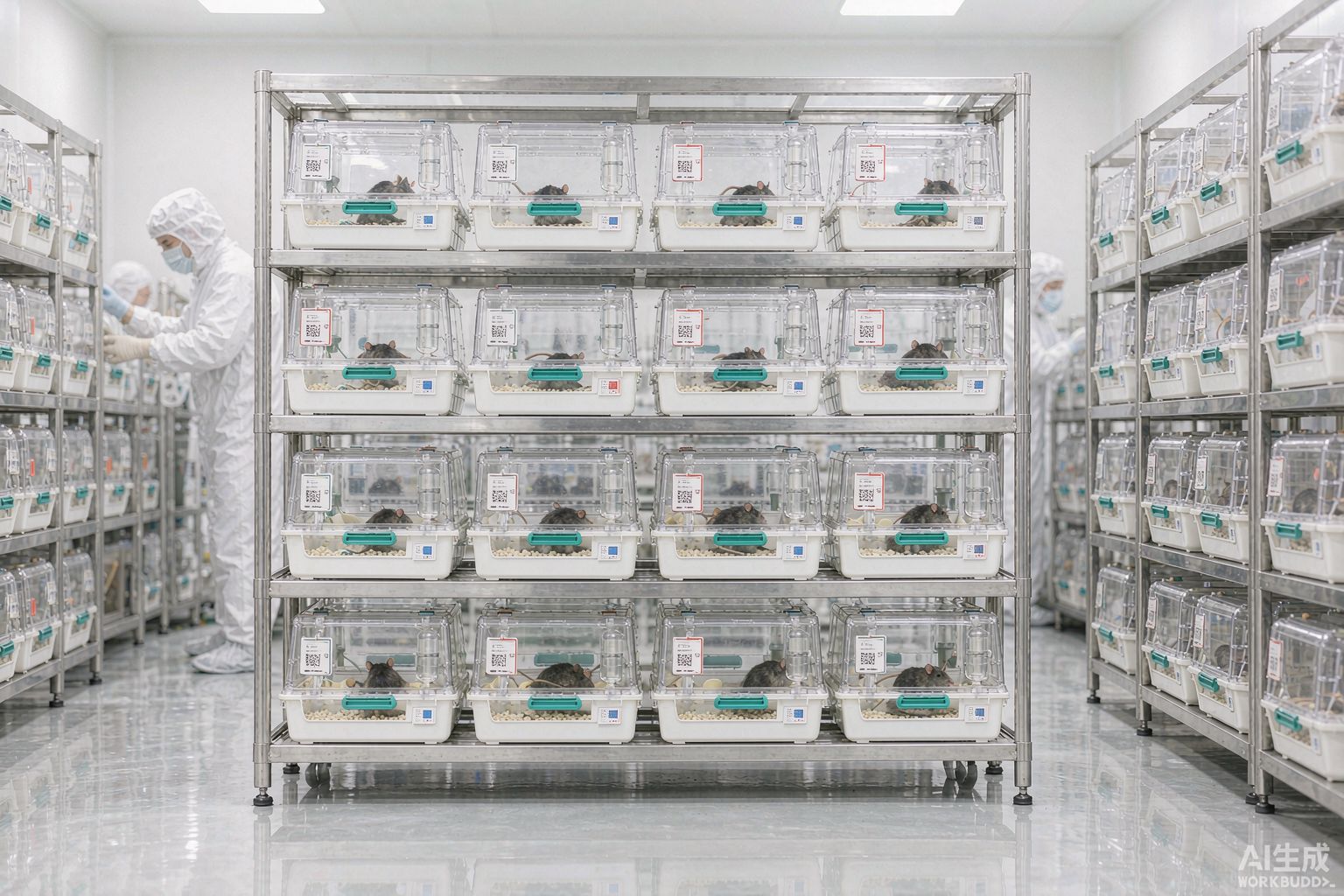
Laboratory animals are the core carriers of life science, drug evaluation, transgenic models, and toxicology research. For an SPF-grade C57BL/6 mouse, traceability across its entire life cycle—from enrollment and breeding to tissue collection—directly determines the scientific validity and regulatory compliance of experimental data. Once an animal identification code falls off, is misplaced, or becomes ambiguous at the individual level, the entire batch of experimental data may enter a "non-traceable" black box, usable neither for registration filings nor for preclinical research reports. In other words, identification coding is not "auxiliary information" in research, but a core deduction item and scoring point at laboratory animal centers, GLP laboratories, and AAALAC certification sites.
From an international perspective, the Guide for the Care and Use of Laboratory Animals (hereinafter "Guide") issued by AAALAC International (Association for Assessment and Accreditation of Laboratory Animal Care International) and the ILAR system form the hard foundation of animal experiment ethics and welfare in Europe and the United States; in China, GB 14925-2010 Laboratory Animals—Environment and Housing Facilities is a mandatory national standard, and the Regulations on the Administration of Laboratory Animals, promulgated in 1988 and last revised in 2017, explicitly requires full-chain traceability of laboratory animal production, use, and welfare. At the institutional level, laboratory animal centers must establish an IACUC (Institutional Animal Care and Use Committee) to conduct 3R review (Replacement, Reduction, Refinement) of all animal experiment protocols and to retain complete ethical review archives and individual identification records.
For identification label suppliers and frontline laboratory animal technicians, this means: labels are not merely "consumables that can be affixed to cage boxes," but must satisfy three layers of requirements: ① regulatory-level compliant traceability (GB 14925-2010 + Regulations on the Administration of Laboratory Animals); ② ethical auditability from the IACUC perspective (Guide/AAALAC system); ③ data integrity from the laboratory/GLP perspective (ISO 17025:2017 + ISO 20387:2018). The BradyLAB BRD laboratory animal labeling solution seeks the greatest common denominator among these three layers, rather than solving only the "can it stick" layer.
II. Hard Requirements Imposed on Labels by the 3R Principles, IACUC, and AAALAC
The 3R principles were first proposed by Russell and Burch in 1959 and, after more than sixty years of evolution, have become the ethical cornerstone of global laboratory animal welfare: IACUC incorporates the 3R into a mandatory section of every animal experiment protocol, and AAALAC incorporates the 3R into a non-negotiable item at every certification site. Specifically at the identification label level, the 3R principles translate into the following executable provisions:
- Replacement: At the label level, this means that in any animal individual identification scenario that could be replaced by inanimate consumables, in vitro sample numbering, cage cards, and batch cards should be prioritized over invasive markers that directly contact animals.
- Reduction: At the label level, this means the coding density of identification information should be as high as possible—a single label should carry multi-dimensional metadata such as animal ID, strain, source, date of birth, sire number, IACUC protocol number, researcher, and collection date—thereby reducing the stress caused by affixing multiple labels to each animal.
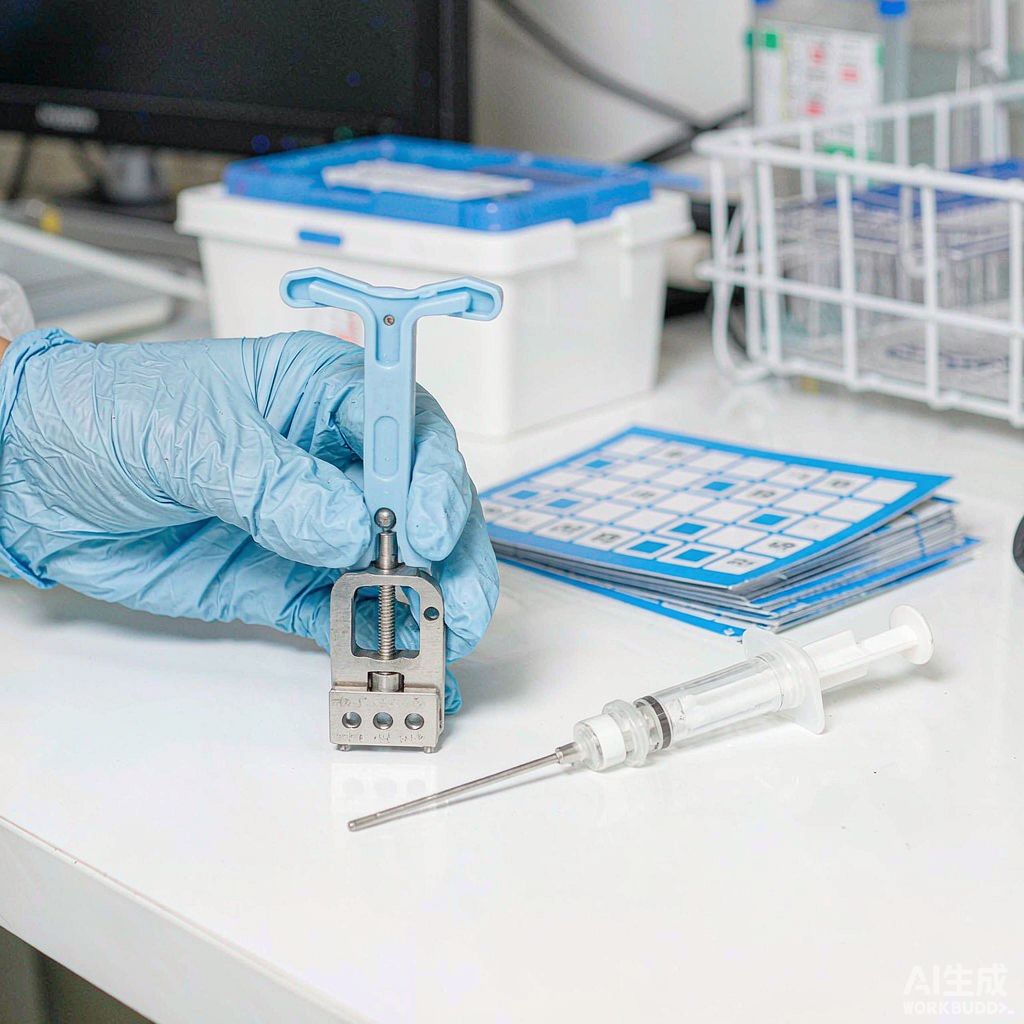
- Refinement: At the label level, this means any identification solution that can reduce animal stress should be prioritized, such as RFID glass tube transponders (single subcutaneous injection) replacing toe-clip coding (which causes permanent trauma), and low-allergen ear tags replacing coarse-grained metal rings.
When IACUC reviews animal experiment protocols, the identification solution itself is also one of the review items. The IACUC of most institutions mandates:
| Review Point | Specific Requirement | Impact on Label Solution |
|---|---|---|
| Identification intensity matched to animal | Small rodents must not use identification solutions that cause pain or stress | Ear tags/subcutaneous transponders for rodents; ear tags + back tattoo for rabbits; collar + transponder for dogs |
| Uniqueness of individual coding | Duplicate individual codes for two animals are not permitted during the project period | Label printing must contain three segments: institution code/year/serial number, consistent with AAALAC-recommended naming |
| Failure rate threshold | Identification label loss rate should be controlled within 1% | Face stock must remain readable after more than 50 disinfectant wipe cycles |
| Ethical review filing | IACUC filing requires ≥ 7 working days; protocol changes require re-filing | The IACUC protocol number field on the label is mandatory and must be machine-readable and parseable |
From guideline text to implementation actions, labels need both persistent readability (dissolvable resistance) and physical wear resistance (stress resistance). Multi-scenario field test data for the BradyLAB BRD laboratory animal label series in SPF animal rooms, GLP centers, and university animal centers show that after 100 wipes with 75% alcohol, label characters still maintain Grade B or higher legibility, outperforming the industry-typical threshold of 50–60 cycles, thereby minimizing "re-tagging stress caused by identification failure."
III. Comparison and Selection of Four Individual Identification Technology Routes
In practice, individual identification of laboratory animals typically follows four technology paths: ear tags, collars, subcutaneous RFID transponders, and toe or tail coding. Each technology has its strengths and unavoidable shortcomings; selection should not consider only the label product itself, but also incorporate animal species, experiment duration, operation frequency, and IACUC preference. The table below provides a cross-comparison of the four technology routes across common dimensions.
| Identification Technology | Applicable Animals | Readable Distance | Invasiveness | Reading Method | Typical Loss Rate | Face Stock Requirements |
|---|---|---|---|---|---|---|
| Metal ear tag (punch type) | Mice, rats, rabbits | Visual 0.5 m | Moderate (punching) | Visual + scanning | ≤ 1% | Resistant to 75% alcohol + peracetic acid; readable for 24 months after attachment |
| RFID glass tube transponder | Mice, rats, dogs, monkeys | RFID read/write 0.05–0.5 m | Low (single subcutaneous injection) | RFID scanning | < 0.1% | No exposed label; transponder in vivo, washable with 75% alcohol |
| Collar (detachable) | Dogs, monkeys, rabbits | Visual 1 m / RFID 0.3 m | Low | Visual + RFID | < 2% (biting off/detachment) | Bite-resistant, wash-resistant, UV-resistant |
| Toe/tail coding (toe clipping) | Mice (backup option) | Visual 0.3 m | High (permanent trauma) | Visual | 0% | No face stock; code determined by incision position |
In SPF animal rooms, the current mainstream configuration is a redundant solution of "ear tags as primary + RFID glass tube transponders as backup"; in GLP center toxicology studies, because animals must be 100% non-misidentifiable, RFID transponders are usually required as the sole identification source; university animal centers, due to short experiment cycles and large animal numbers, typically use a combination of punched ear tags + batch cage cards to reduce the labeling cost per animal. The BradyLAB BRD laboratory animal label series covers all four technology paths: ear tags use 304 stainless steel substrate + PVD coating, and RFID transponders use the 134.2 kHz frequency band per ISO 11784/11785, compliant with the ISO 15693 industrial read/write protocol and interoperable with ISO/IEC 15416 barcode printing systems.
IV. Traceable Labeling System for Cages, Feed/Bedding, and Equipment
Identification work at laboratory animal centers goes far beyond individual ear tags. For the IVC cage box housing an SPF rat, its cage card, cage box, rack, feed bag, bedding bag, and water bottle all require independently traceable labels. These identifications form a four-way traceability chain of "animal individual—cage position—feed—environment," serving as the carrier for implementing the "technical records" requirements of ISO 17025:2017 Clause 7.5 and the "process control" requirements of ISO 20387:2018 Clause 6.4.
| Category | Information Carried on Label | Recommended Material | Tolerated Conditions | Compliance Standard |
|---|---|---|---|---|
| Cage card (outside IVC cage box) | Cage position number, total animal count, IACUC protocol number, researcher, cage-in date | PET + chemical-resistant coating | 75% alcohol + peracetic acid wiping, 121 °C autoclaving | GB 14925-2010 §5.2 |
| Feed/bedding batch bag | Batch number, production date, expiry date, radiation sterilization mark | PP + steam sterilization adhesive | 121 °C / 20 min cycles ≥ 5 | GB 14925-2010 §6.4 |
| Equipment identification (rack/workbench) | Equipment number, calibration date, responsible person | PET + acrylic adhesive | 75% alcohol wiping ≥ 100 cycles | ISO 17025:2017 §6.4 |
| Environmental records (temperature/humidity/pressure differential) | Recorder number, collection timestamp | Synthetic paper + general-purpose adhesive | -20 °C to +60 °C | GB 14925-2010 §5.3 |
The durability of cage cards is a high-frequency item in compliance reviews. GB 14925-2010, in the chapter on laboratory animal environment and housing facilities, explicitly requires that "cage identification must remain readable throughout the entire cage box turnover cycle," meaning the character retention time of the label must exceed the cage box turnover cycle (typically 7–14 days per cage box change in SPF animal rooms). After 5 autoclave cycles at 121 °C / 20 min, BradyLAB BRD cage identification maintains adhesive strength at more than 85% of its initial value, and character legibility meets the Grade B (2.0/10/660) or higher threshold of ISO/IEC 15416, serving as a link in the compliance evidence chain during AAALAC on-site assessments.
V. Extension of Cryogenic Labels for Tissue Samples and Cryopreserved Animals
The other pole of laboratory animal work is the cryopreservation of animal tissues, blood, embryos, and sperm. Both AAALAC and the Guide require that biological samples intended for subsequent research be assigned traceable codes of equal strength to their source animals, to prevent the phenomenon of "sample suspension." After collection, the spleen, lymph nodes, and peripheral blood of an SPF mouse may enter a -80 °C freezer or LN₂ dewar for long-term storage, at which point the on-site individual code must be extended to a cryogenic-scenario label system. BradyLAB BRD implements this extension through the Lab series cryogenic labels:
- PCR plate/microplate labels: T series Lab labels (typically 25.4 × 12.7 mm), supporting the full temperature range from -196 °C to +120 °C, with adhesive strength retention ≥ 95% after 24 hours, and readable after 50 freeze–thaw cycles.
- Cryovial/conical tube labels: T509 wrap-around or T429 self-laminating, compatible with 0.5–2.0 mL cryovial diameters, corresponding one-to-one with RFID glass tube transponders at the SOP level.
- Tissue embedding cassette labels: Resistant to formalin + xylene, sharing the same base material as the BradyLAB BRD pathology tissue label series.
By binding and writing the individual ear tag, RFID transponder, and cryovial label into the LIMS (Laboratory Information Management System) or animal experiment management system at the same time point, full-chain traceability "from live animal to molecular sample" can be achieved. ISO 20387:2018 Clause 7.5 requires biobanks to have unique identifiers for samples, and samples from animal experiments are precisely an extension of the three-segment code of "animal individual + collection time + researcher," consistent with the field design logic on cryogenic labels.
VI. Archiving and Coding Specifications from the Perspective of IACUC Ethical Review
IACUC ethical review is not "file once and done," but covers four life cycle stages: initial protocol review, annual re-review, amendment review, and termination review. Each life cycle requires that the fields of identification labels remain consistent; for example, once fields such as protocol number, researcher, and animal species change, label reprinting should be triggered. In practice, common field specification designs are as follows:
- Institution code (2 letters + 2 digits): Corresponds to the institution where the animal center is located; for example, BRD BradyLAB partner institutions often use city codes such as BJ/PK/SH/CD.
- Year (2 digits): Year 26 is Z, year 27 is AA, year 28 is AB, consistent with the current year.
- Serial number (4–5 digits): Pre-allocated according to the animal center's annual usage volume to ensure no duplication during the project period.
- IACUC protocol number (8–10 digits): The unique protocol number uniformly assigned by the animal center, with a version number suffix.
- QR code / DataMatrix: Carries the above five-segment code, consistent with the barcode grades specified in ISO/IEC 15416/15415.
From international experience, AAALAC on-site assessments include label samples in the inspection tier-1 checklist; assessors randomly sample 5%–10% of cage cards and ear tags, scanning codes to verify field completeness, character legibility, and coding uniqueness. BradyLAB BRD's compliance recommendation at this stage is: use a unified printing template, a unified barcode symbology (Code 128 or DataMatrix), and a unified field order, so that both the visual consistency and machine readability of every label meet standards simultaneously, making IACUC review a routine compliance action rather than one-off work to "respond to assessment."
Recommended Products
For the label materials and application scenarios covered in this article, the following BradyLAB (BRD) products are available for selection reference (click to view specifications and request a quote):
- Lab208-509/25.4x63.5 wrap-around cryovial biological sample bank fine tube LN₂ classification label (Request a Quote)
- Lab032-429/30X20mm biological sample bank cryovial microscope slide PET polyester label cryogenic adhesive (Request a Quote)
Conclusion: "Printing" Ethics and Compliance Out
The implementation of laboratory animal ethics and welfare is never a slogan on the wall, but the fields actually printed on each label, the codes verifiable by scanning, and the character legibility that survives 50 disinfectant wipe cycles. The 3R principles, IACUC, and AAALAC systems provide the ethical skeleton for the entire system; GB 14925-2010 and the Regulations on the Administration of Laboratory Animals provide the regulatory skeleton; and identification labels are precisely the concrete nodes between these two skeletons. The BradyLAB BRD laboratory animal label series has been adapted to multiple scenarios around these two skeletons—from SPF animal rooms to GLP centers, from university animal centers to pharmaceutical company toxicology laboratories—all capable of landing traceability on every animal, every cage position, and every sample through unified printing templates and machine-readable codes. This is precisely the practical path from "compliance" to "high-quality compliance."
Q: Must laboratory animals wear ear tags? Is there mandatory regulation?
A: Within the territory of the People's Republic of China, Article 22 of the Regulations on the Administration of Laboratory Animals (State Council, 2017 revision) stipulates that "the use of laboratory animals shall follow the 3R principles and implement individual identification and archive management," and GB 14925-2010, in the chapter on laboratory animal environment and housing facilities, explicitly requires that cages must have clearly identifiable markings. However, the regulatory text does not stipulate that "ear tags must be worn"—its mandatory requirement is the outcome of "individual identifiability." In practice, small rodents typically use punched ear tags + RFID glass tube transponders as a redundant solution, dogs/monkeys use collars + transponders, and rabbits use ear tags + back tattoo. Which identification method to choose requires balancing animal welfare, IACUC review preference, and readability.
Q: What specific impact do the 3R principles have on label solutions?
A: The direct impact of the 3R principles on labels is elevating the traditional logic of "one label at a time" to the high-density coding logic of "multiple fields per item at a time," to reduce the stress caused by affixing multiple labels to each animal. Specific implementations include: using DataMatrix QR codes to merge five segments of information—animal ID, strain, IACUC protocol number, researcher, and date of birth—onto a single label, with only one label affixed per animal; selecting low-allergen PVD coating for ear tags to replace coarse-grained metal rings to reduce skin irritation; and controlling the re-tagging rate due to identification failure within 1%, thereby reducing animal stress caused by re-tagging. BradyLAB BRD cage card field test data show that after 100 wipes with 75% alcohol, Grade B or higher legibility is still maintained, making the re-tagging rate significantly lower than the industry-typical level.
Q: What are the safety risks of RFID glass tube transponders in SPF animal rooms?
A: The safety risks of RFID glass tube transponders (typical size 2 × 12 mm, 134.2 kHz frequency band, compliant with ISO 11784/11785) in SPF animal rooms mainly come from three aspects: ① infection risk at the injection site—aseptic injection + pre-operative 75% alcohol wiping can significantly reduce this; ② transponder migration—animals should not be handled roughly within 24 hours after injection to reduce the migration rate; ③ reader misreading—when multiple animals share a cage, staggered scanning is recommended to avoid reader conflicts. BradyLAB BRD uses pre-sterilized single-pack glass tube transponders, with a transponder migration rate of < 0.5% within 14 days after injection, maintaining stable readability in field tests at multiple AAALAC-accredited institutions.
Q: How is the IACUC protocol number written into the label fields? Is there a naming convention?
A: The IACUC protocol number is the unique identifier of an animal experiment protocol, usually assigned by the animal center according to unified rules. The general format is "institution code-year-serial number-version," for example BRD-2026-015-V2, representing the 015th protocol of 2026, second version, of a BRD BradyLAB partner institution. Naming conventions vary slightly among institutions, but must satisfy three common requirements: ① unique across the entire institution; ② continuous within the year; ③ machine-readable and parseable. It is recommended to write the protocol number as an independent item in the main field area of the label, alongside the animal individual code, and read it together via DataMatrix QR code to reduce manual entry errors. In AAALAC on-site assessments, randomly sampling the protocol number field of 5%–10% of cage cards is a routine action, and standardized naming can significantly improve the assessment pass rate.
Q: How can cage labels be prevented from falling off during cage box turnover?
A: Cage label detachment mainly has three causes: ① chemical degradation of the adhesive under repeated wiping with 75% alcohol or peracetic acid disinfectant; ② mechanical wear during cage box handling; ③ failure to re-affix a new label when changing cage boxes, resulting in a mismatch between the old label and the cage box position. Improvements are recommended from the following three points: ① select label face stock and adhesives tested for more than 50 wipes with 75% alcohol (BradyLAB BRD cage cards have been field-tested to reach 100 cycles); ② affix to the outer side of the cage box rather than the top to reduce handling wear; ③ reprint new labels synchronously when changing cage boxes, and verify fields such as cage position number, researcher, and cage-in date; ④ hang a cage position reference table on the side of the rack as a redundant identification source, so that even if the cage label falls off, quick positioning is possible.
Q: For cross-institution collaborative animal experiments, how are label codes made compatible?
A: Label coding for cross-institution animal experiments (such as multi-center GLP studies) requires prior agreement on field order and naming conventions. It is recommended to specify in the standard operating procedure (SOP) before the agreement is launched: ① the relative position of the institution code field on the label (usually placed at the far left or far right); ② whether the IACUC protocol number is uniformly assigned by the lead institution; ③ whether the numbering system is continuous numbering or block numbering; ④ whether RFID transponders use a unified ISO 11784/11785 protocol to ensure cross-institution compatibility of read/write devices. BradyLAB BRD can provide unified printing templates and machine-readable coding solutions for multi-center partner institutions, fixing parameters such as field order, QR code error correction level (EH/H), and barcode symbology (Code 128/DataMatrix) in advance, reducing communication costs for multi-center collaboration.